




















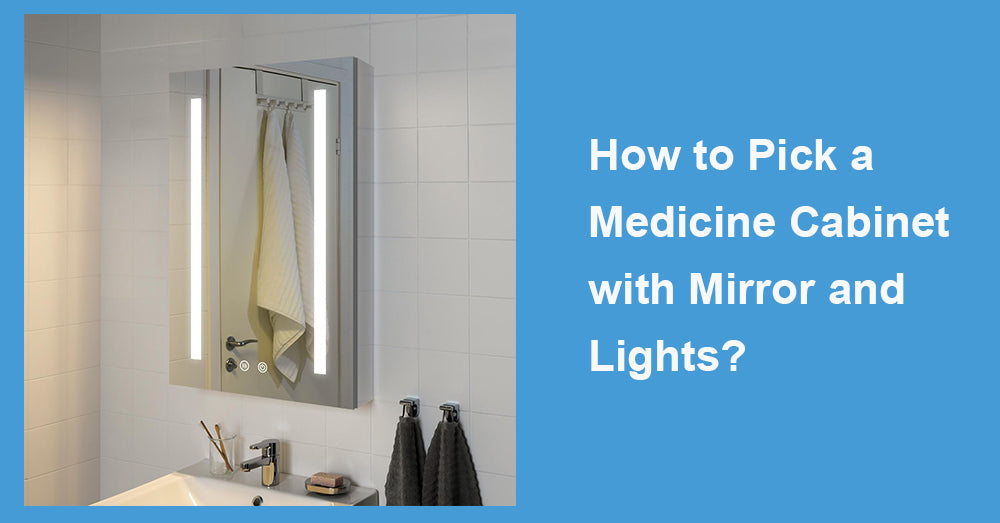
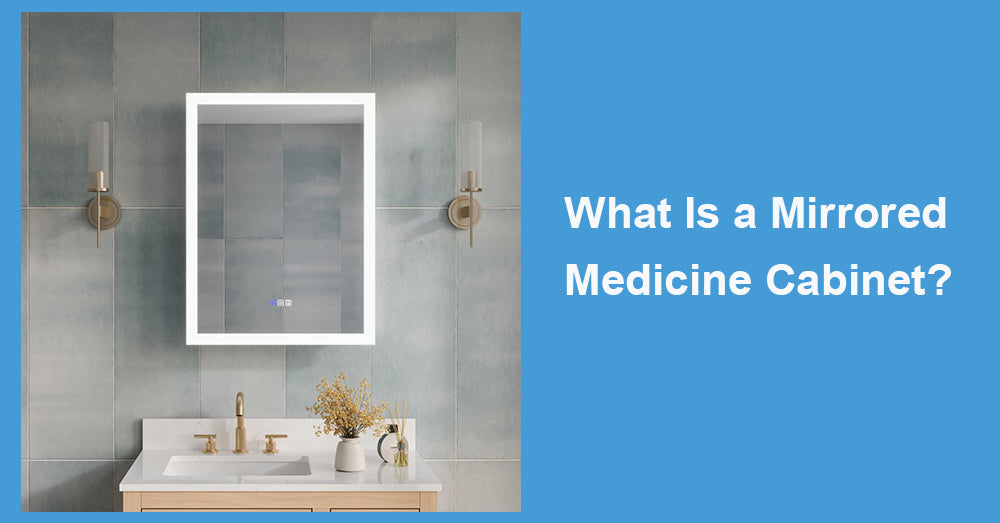
In modern bathroom design, a medicine cabinet with mirror and lights is increasingly the mainstream configuration. It serves dual functions—storage and mirror reflection —and enhances the practicality and visual experience of the space through an integrated lighting system. From functionality to aesthetics, to energy efficiency and intelligent experience, these products have become an indispensable part of high-quality bathroom decoration. With a wide variety of styles and designs available, choosing a practical, durable medicine cabinet with a mirror and lights has become an essential issue for many families during the decorating stage.
1. Understanding the Design Value of a Medicine Cabinet with Mirror and Lights
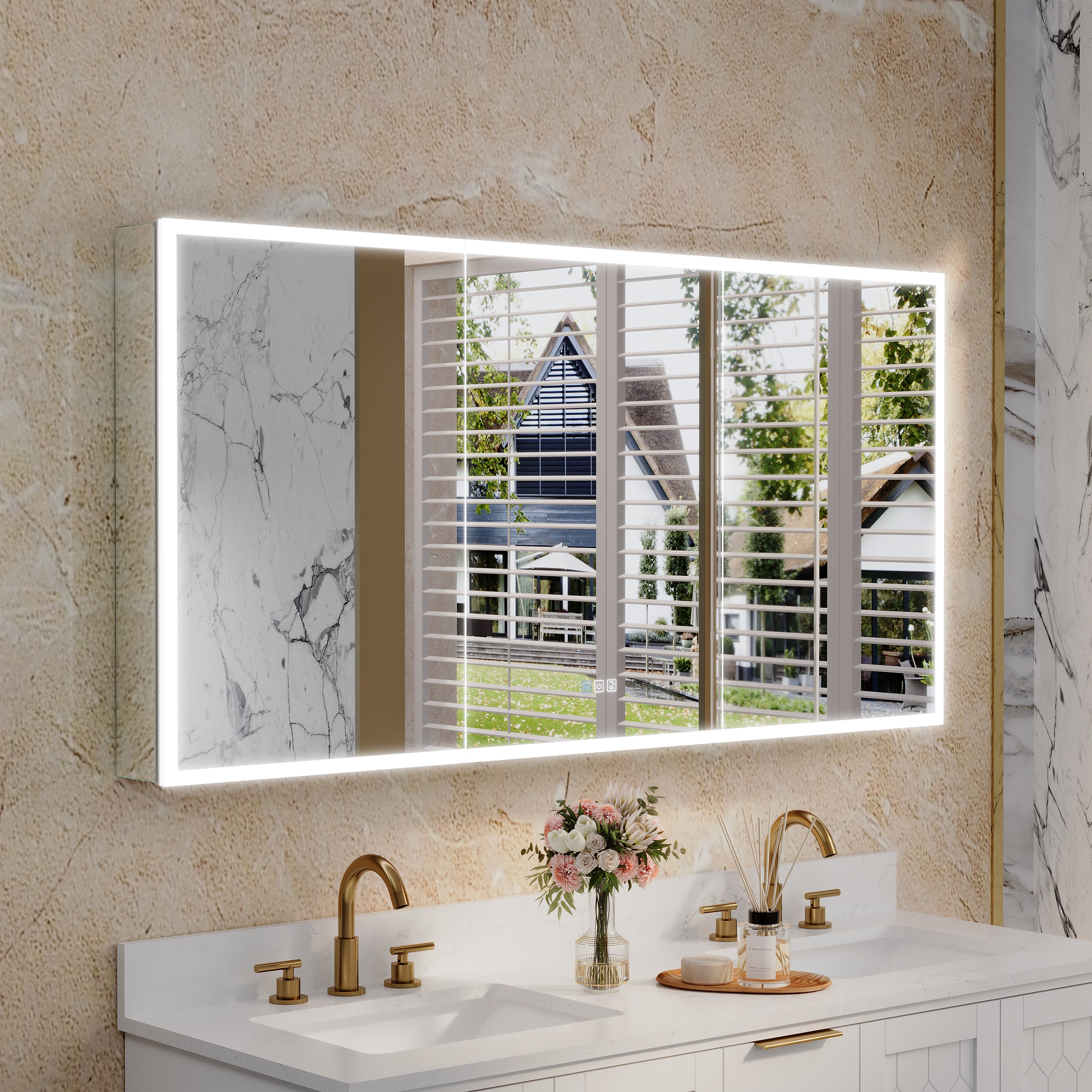
The core function of traditional medicine cabinets is storage and space-saving, while mirror cabinets with lights further extend on this basis. Adding LED light strips or backlight systems to the mirror structure not only improves bathroom lighting but also gives the entire space a sense of hierarchy and technology.
According to a report by Grand View Research, the global mirror cabinet market exceeded $2 billion in 2024, with lighting-enabled products accounting for over 45% and continuing to grow (source: GrandViewResearch.com). This trend indicates that designs that integrate lighting, mirrors, and storage are becoming an essential direction for upgrading bathroom products.
2. Selection of Size and Installation Method
When selecting a medicine cabinet with mirrors and lights, size and installation method are the first factors to consider. The size of the mirror cabinet needs to match the sink and wall space to maintain overall proportion coordination. The cabinet width should be slightly narrower than the washbasin width, by about 1 to 2 inches. For example, if the washbasin is 36 inches wide, it is more appropriate to choose a mirror cabinet measuring 30–34 inches wide.
In terms of installation methods, the current mainstream types include surface-mounted and recessed-mounted.
Wall-mounted mirror cabinets are easy to install and suitable for already decorated spaces, without the need for extensive wall renovations.
Embedded mirror cabinets embed the main body into the wall, resulting in a simpler, smoother appearance that visually makes the bathroom appear tidier.
If the bathroom space is small, embedded mirror cabinets can effectively save front and rear space, while wall-mounted ones are more flexible for rental in temporary living environments.
3. Lighting Design and Light Quality
Lighting is the soul of mirror cabinet design. High-quality lighting not only provides bright visuals but also realistically reproduces skin tone and details. LED strip lights are currently the mainstream choice, with advantages such as high energy efficiency, long lifespan, and adjustable color temperature.
From the perspective of light color performance, neutral or cool light between 4000K and 5000K is most suitable for daily grooming, shaving, and makeup; warm light at 3000K is more ideal for relaxation and use after bathing (source: LightingEurope.eu). Some high-end models also support intelligent dimming and color temperature memory functions, which can automatically adjust light brightness according to time periods or scenes.
In addition, it is imperative to choose a light source with a high color rendering index (CRI ≥ 90) to ensure that the light is closer to sunlight and avoid skin color deviation. According to research by the Lighting Council, high-color-rendering LED light sources exhibit lower brightness attenuation and more controllable maintenance costs over their service life (source: LightingDuncil.org).
4. Storage Structure and Internal Design
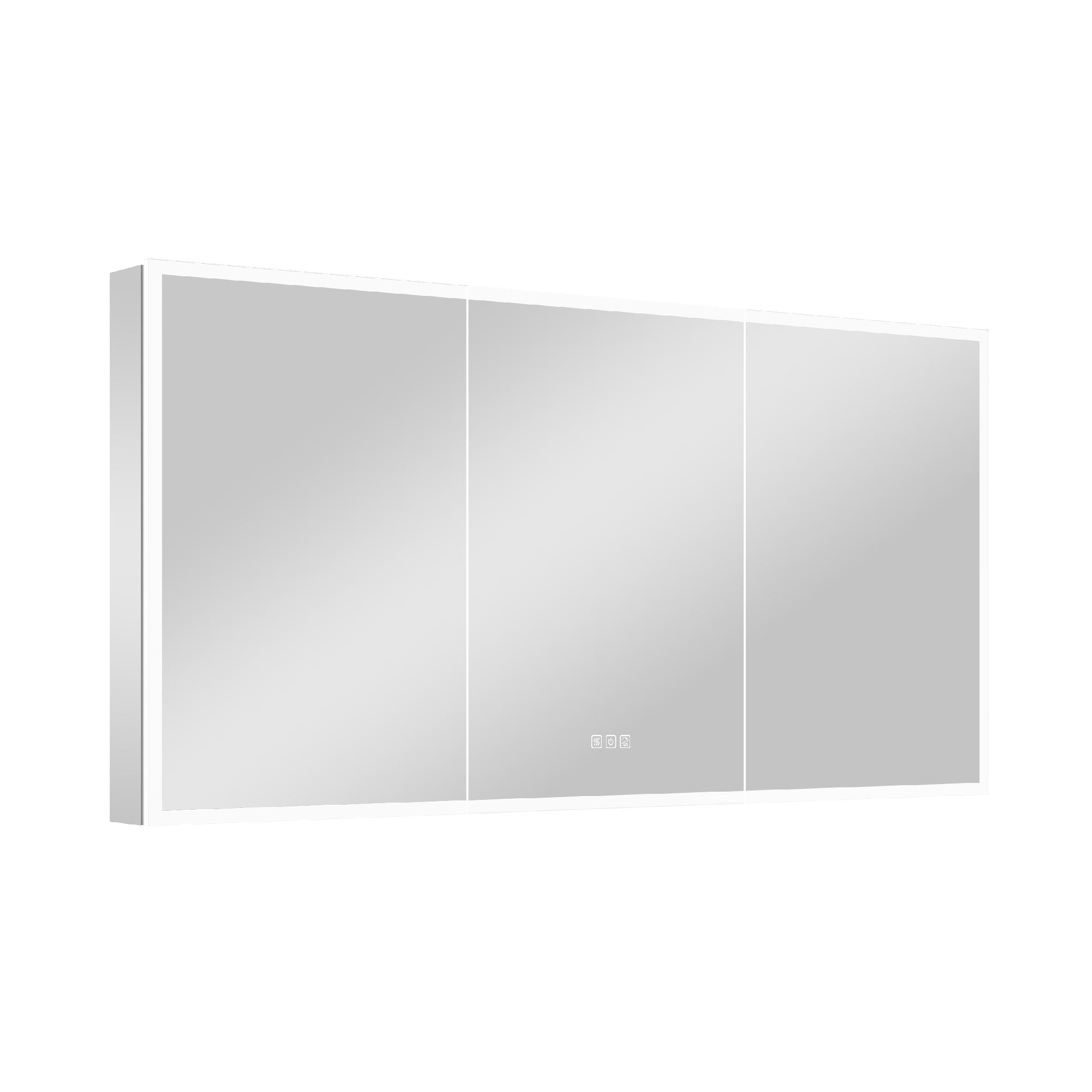
In addition to the lighting function, the storage capacity of the medicine cabinet is also a key factor in purchasing. Mirror cabinets differ significantly in their internal structure, ranging from single-layer partitions to multi-layer adjustable storage compartments. For bathrooms with larger spaces, you can choose styles with a width of 48 inches or more and double or triple-door designs to facilitate the placement of medications, skincare products, and appliances in different areas.
It is recommended to use aluminum alloy or stainless steel structures with high moisture resistance for internal materials. These materials not only offer good corrosion and mold resistance but also maintain stability in high-humidity environments. Some new mirror cabinets also include USB or Type-C ports, making it convenient to charge devices such as electric toothbrushes and razors, further enhancing their usability.
5. Anti-Fog and Safety Performance
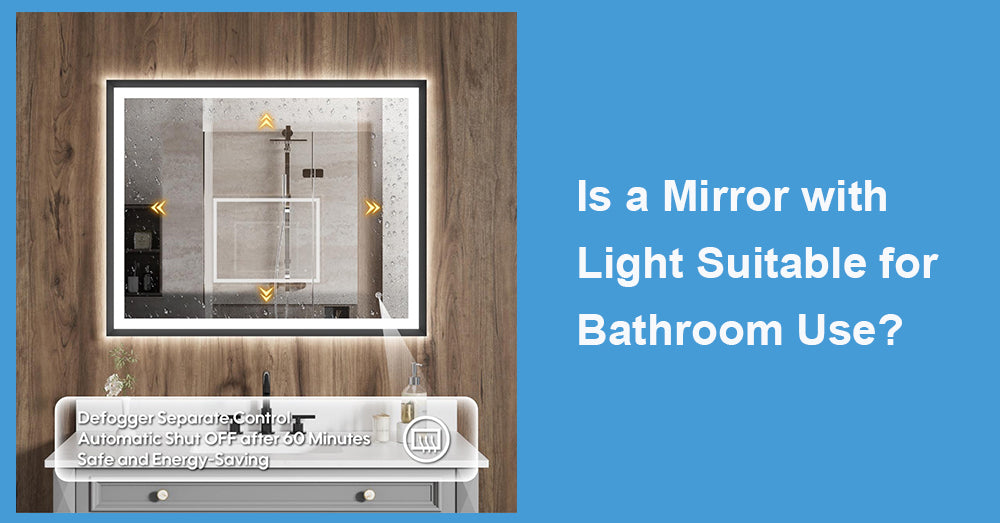
The bathroom environment is high-humidity, and mirror fogging is almost inevitable. For this reason, high-quality medicine cabinets with mirrors and lights are usually equipped with an anti-fog heating function. By adding a heating film to the back of the mirror, the fog can be automatically removed within a few minutes of turning on the light, keeping the mirror clear.
In addition, attention should be paid to waterproofing and electrical safety levels. Suppose the product is marked with a protection level of IP44 or higher. In that case, it can effectively prevent water vapor from seeping into electrical components and is suitable for installation above the washbasin or near water sources (source: IECStandard.org). At the same time, choosing models with overheating protection and anti-short-circuit design can also enhance long-term safety.
6. Energy Conservation and Sustainability
Energy-saving performance is an essential indicator for evaluating illuminated mirror cabinets. Compared to traditional light bulbs, LED light sources can reduce energy consumption by about 75% and have an average lifespan of over 50,000 hours (source: EnergyStar.gov). This not only means saving on energy costs but also reducing the hassle of frequent lighting fixture replacements.
Many brands also use recyclable materials and low-carbon manufacturing processes in their designs to reduce their environmental impact. For example, some products use recycled aluminum for the outer frame and copper-free, environmentally friendly glass for the mirror surface, further extending the service life while achieving sustainable production.
7. Intelligent Functions and User Experience
With the popularization of the smart home concept, more and more mirror cabinets are integrating intelligent technology. Some models have functions such as touch sensing, voice control, time and temperature display, and can even connect to Bluetooth devices to play music.
According to Statista, sales of LED mirror cabinets with intelligent functions will increase by nearly 22% year-on-year in 2024, with models featuring Bluetooth speakers and touch dimming being the most popular (source: Statista.com). This indicates that mirror cabinets are transitioning from traditional storage tools to multifunctional intelligent terminals, further enhancing the convenience and comfort of daily life.

8. Suggestions for Style and Material Matching
From appearance, the design style of the medicine cabinets with mirrors and lights is simple and modern. The mainstream materials include stainless steel, aluminum alloy, and moisture-resistant MDF. There are two common types of mirror surfaces: frameless and slim frame.
Frameless design with clean lines, suitable for modern or minimalist style bathrooms. The narrow-framed mirror cabinet has a more structural feel and is ideal for spaces with metal or wooden elements. If the bathroom lighting is dim, you can choose a style with backlight or side lights to make the space appear brighter and more transparent.
9. Conclusion: Balance between Function and Aesthetics
In contemporary bathroom design, a medicine cabinet with a mirror and lights is not just a piece of furniture, but a key element that connects practicality and aesthetics. A good mirror cabinet can meet storage needs and enhance the lighting experience, making daily care and grooming more convenient.
When making a purchase, it is recommended to consider factors such as size, lighting quality, anti-fog safety, storage structure, and intelligent functionality comprehensively. At the same time, priority should be given to products with high energy efficiency certification and durable materials. From a long-term perspective, this is not only an improvement in quality of life but also a rational investment that balances energy conservation and design aesthetics.





























Leave a comment
This site is protected by hCaptcha and the hCaptcha Privacy Policy and Terms of Service apply.