
















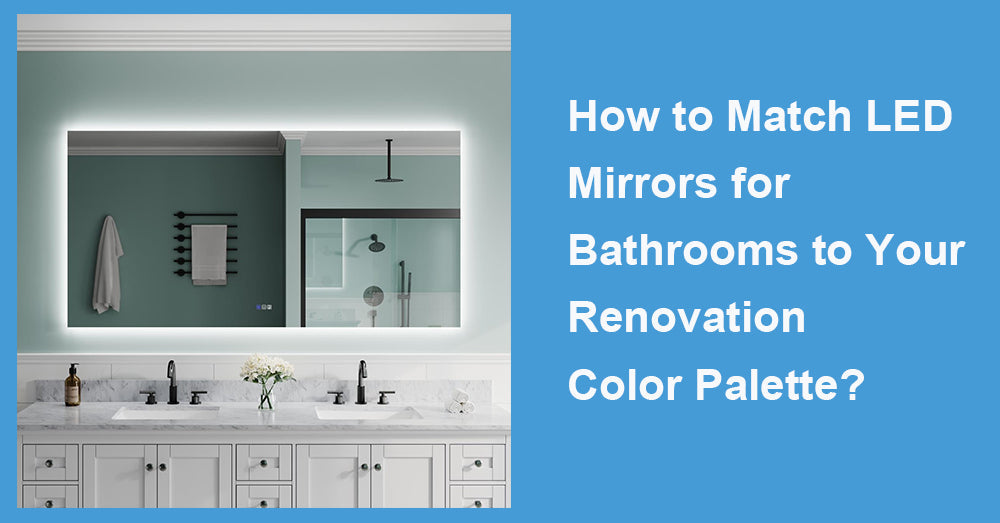
Nowadays, bathrooms are no longer just a space for washing and grooming. It is becoming more and more like a small relaxation area - a place where you wake up more comfortably in the morning and unwind from a tiring day at night. Among all the elements that create an atmosphere, led mirrors for bathrooms are quickly becoming the centerpiece of modern bathroom design.
Not only because it is "bright", but also because it can perfectly blend with the overall decoration style, and even enhance the visual level of the entire space. The key is how to coordinate the light color of the mirror with the main color scheme of the bathroom.
1.Why is "color matching" important for LED mirrors
Lighting color has a significant impact on the appearance of a space.
Even with the nicest tiles or countertops, the wrong light color temperature can make your bathroom feel cold or dim.
A study by the Institute of Lighting Design (IALD) found that about 72% of people rated spaces lower when the lighting didn’t match the overall color tone. That’s why designers focus so much on light temperature and color consistency.
In bathrooms, this balance comes from two key factors:
l Color Temperature – how warm or cool the light feels.
l Color Rendering Index (CRI) – how accurately colors appear under the light.
In short, the wrong lighting can act like a bad “filter” that ruins your bathroom’s look.
2.Understand the three standard light colors of LED mirrors
Before starting to match, first understand the three common color temperature types of LED mirrors:
l Warm light (2700K-3500K): Slightly yellow, creating a warm atmosphere, suitable for soft styles such as light wood, cream, and beige.
l Neutral light (4000K-4500K): close to sunlight, suitable for most modern bathroom designs, with natural and unbiased colors.
l Cold light (5000K-6500K): biased towards white and blue, appearing brighter and suitable for minimalist, minimalist, or black, white, and gray styles.
According to a consumer survey conducted by home brand Lumea in 2024, over 60% of users prefer neutral light because it strikes a balance between practicality and aesthetics, making it less prone to errors.
3. How to Choose the Right Light Color for Your Bathroom
Different color schemes need different lighting. Here are some easy pairing tips:
1. Light-colored bathrooms (white, beige, light gray)
Use neutral or warm light.
Light spaces can look cold, but adding a bit of warmth — like a 4000K mirror light — makes them feel clean and cozy.
2. Dark-colored bathrooms (black, dark gray, dark green, navy)
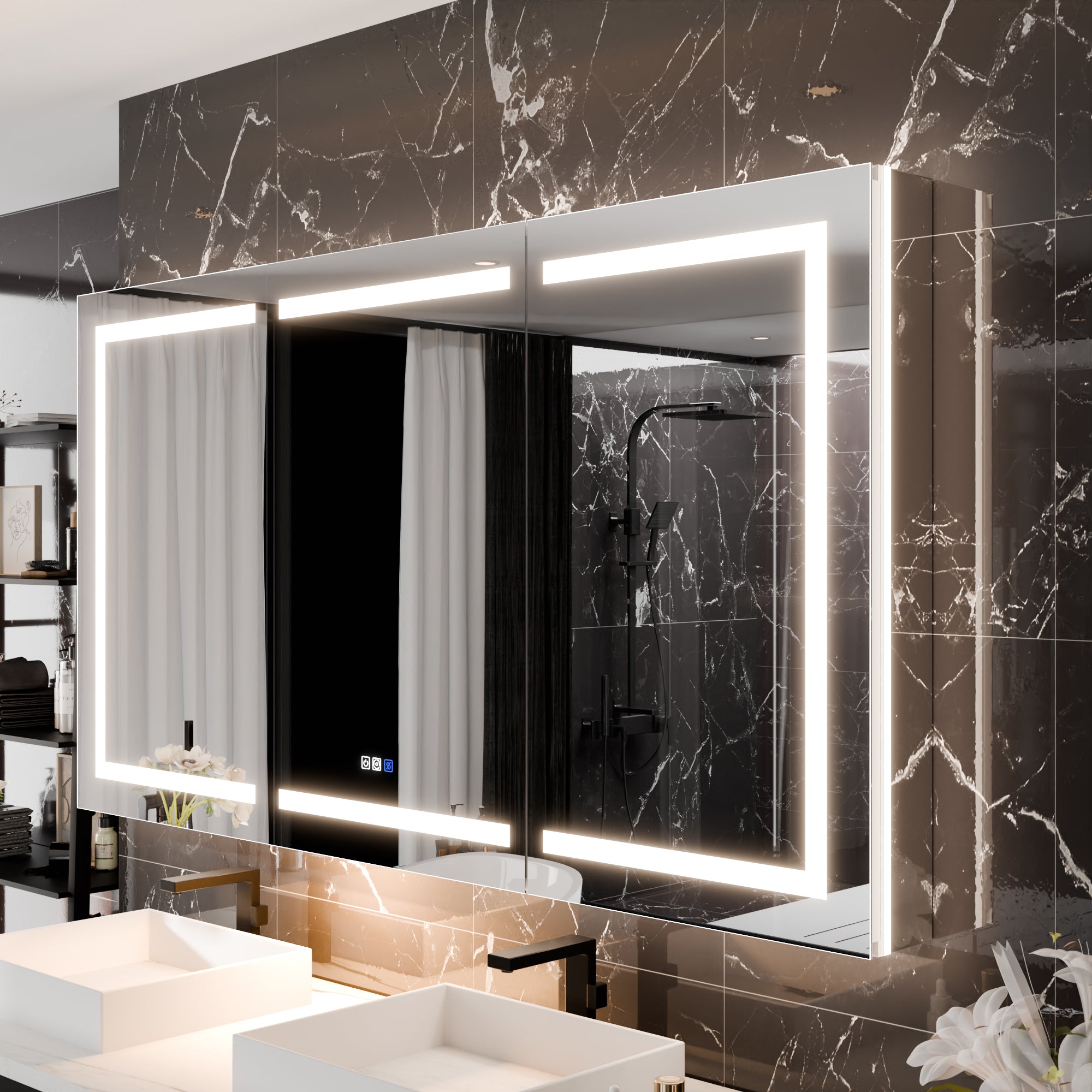
Use cool or neutral light.
Dark tones need brighter light to avoid feeling heavy. Blue-white lighting helps define lines and gives a modern look.
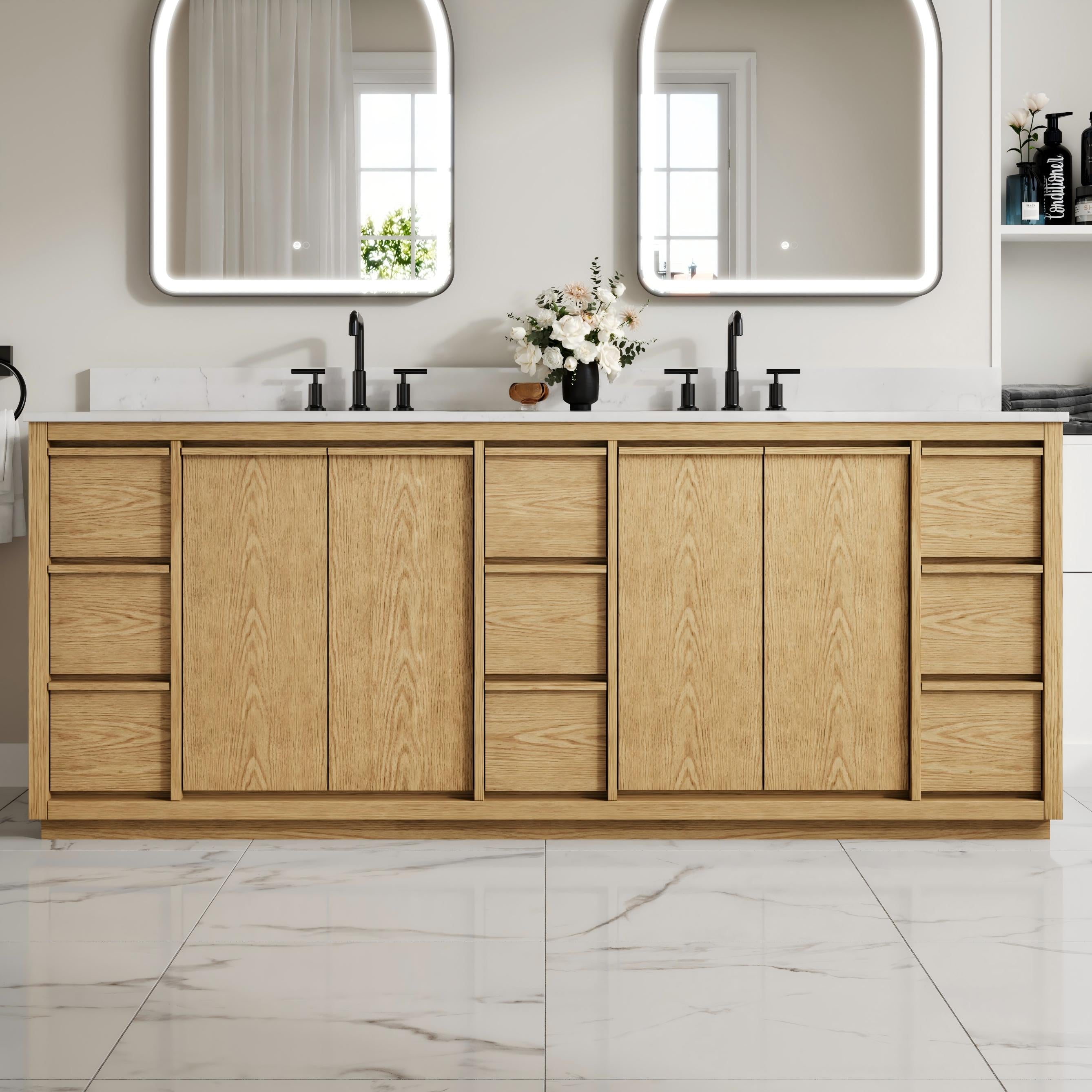
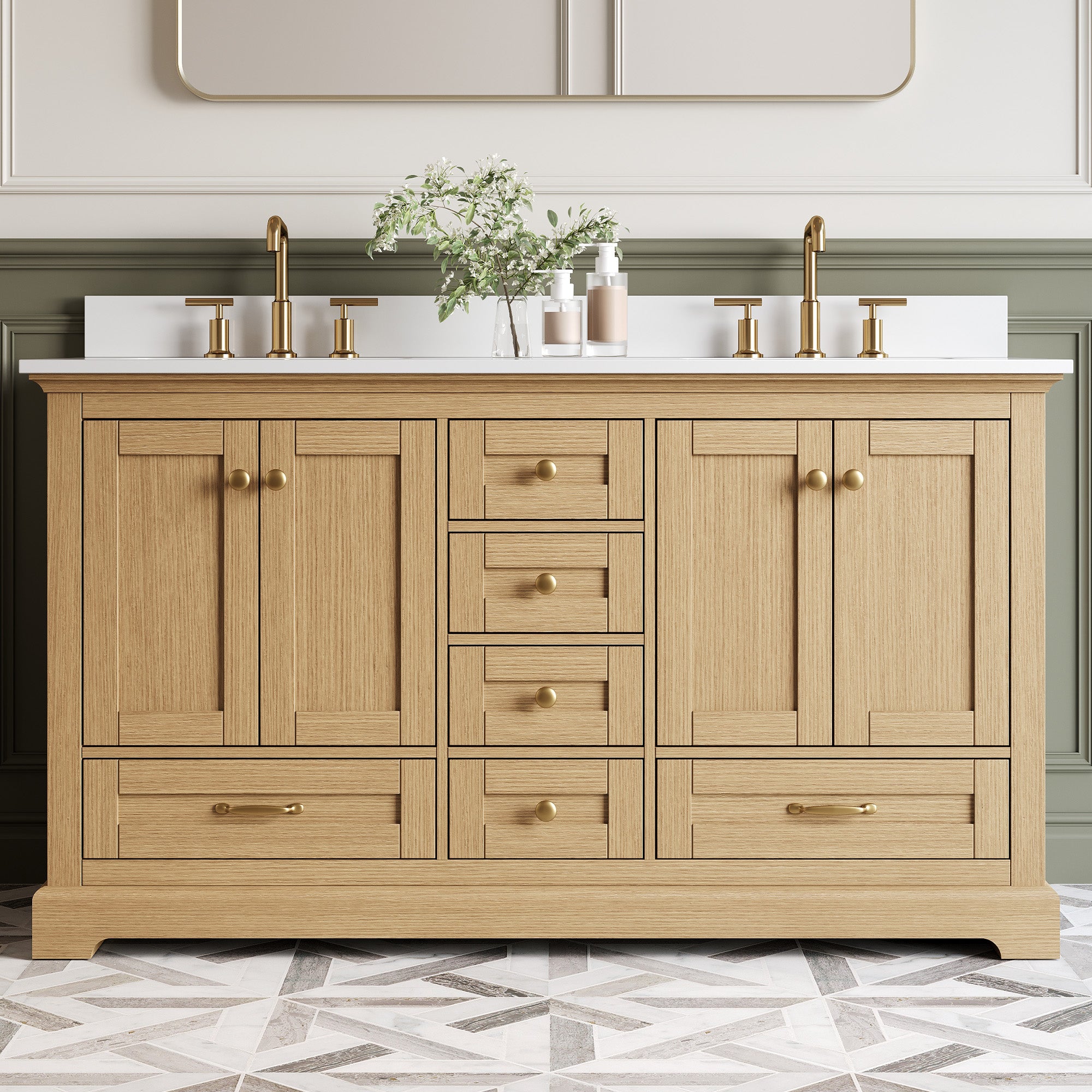
3. Natural wood style (light brown, oak, cream)
Use warm light.
Wood tones already feel warm, and 2700K–3500K lighting enhances that natural, relaxing vibe.
4. Match the Mirror Frame with the Wall
An LED mirror isn’t just a light source — it’s also the visual centerpiece of your bathroom. To make it blend well with the wall:
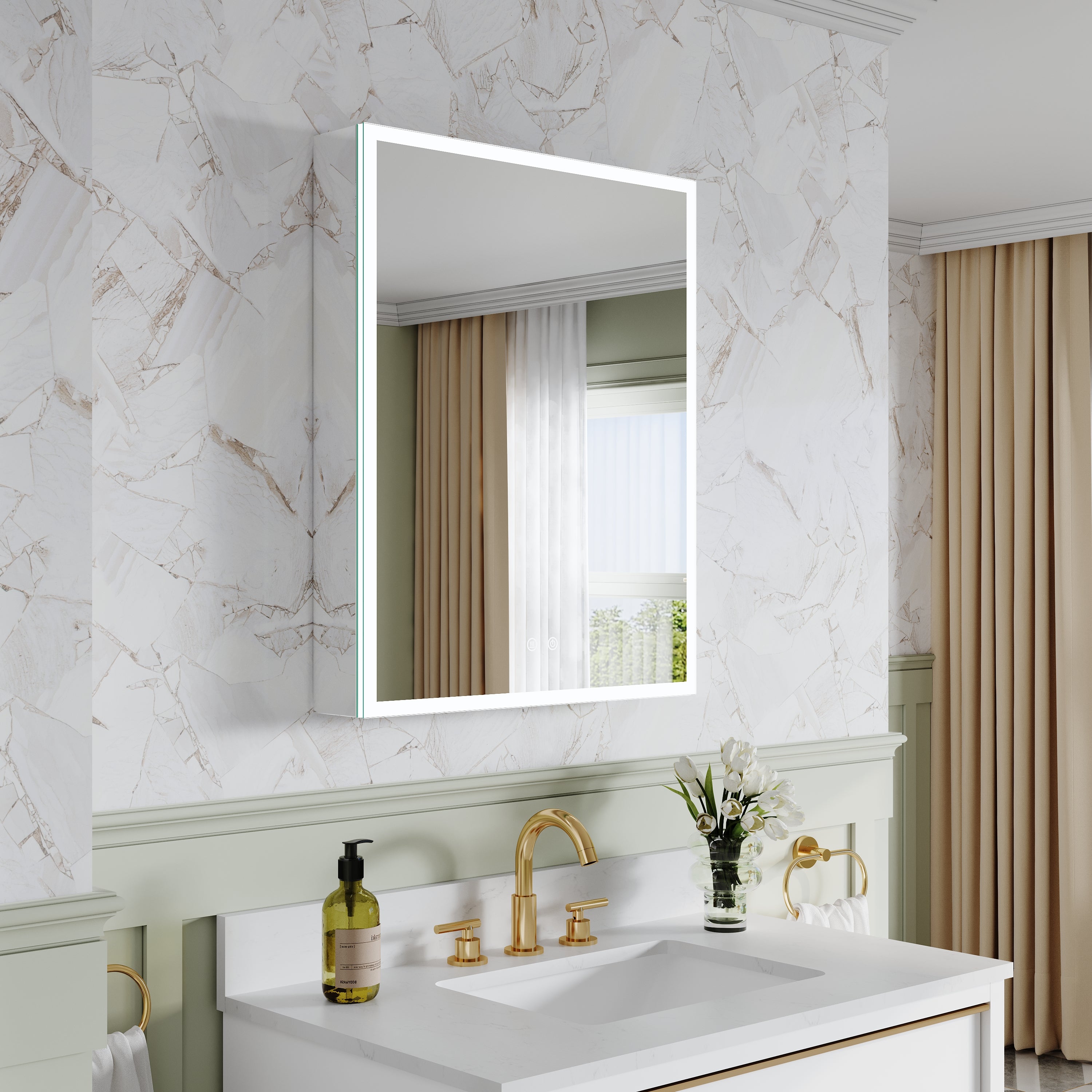
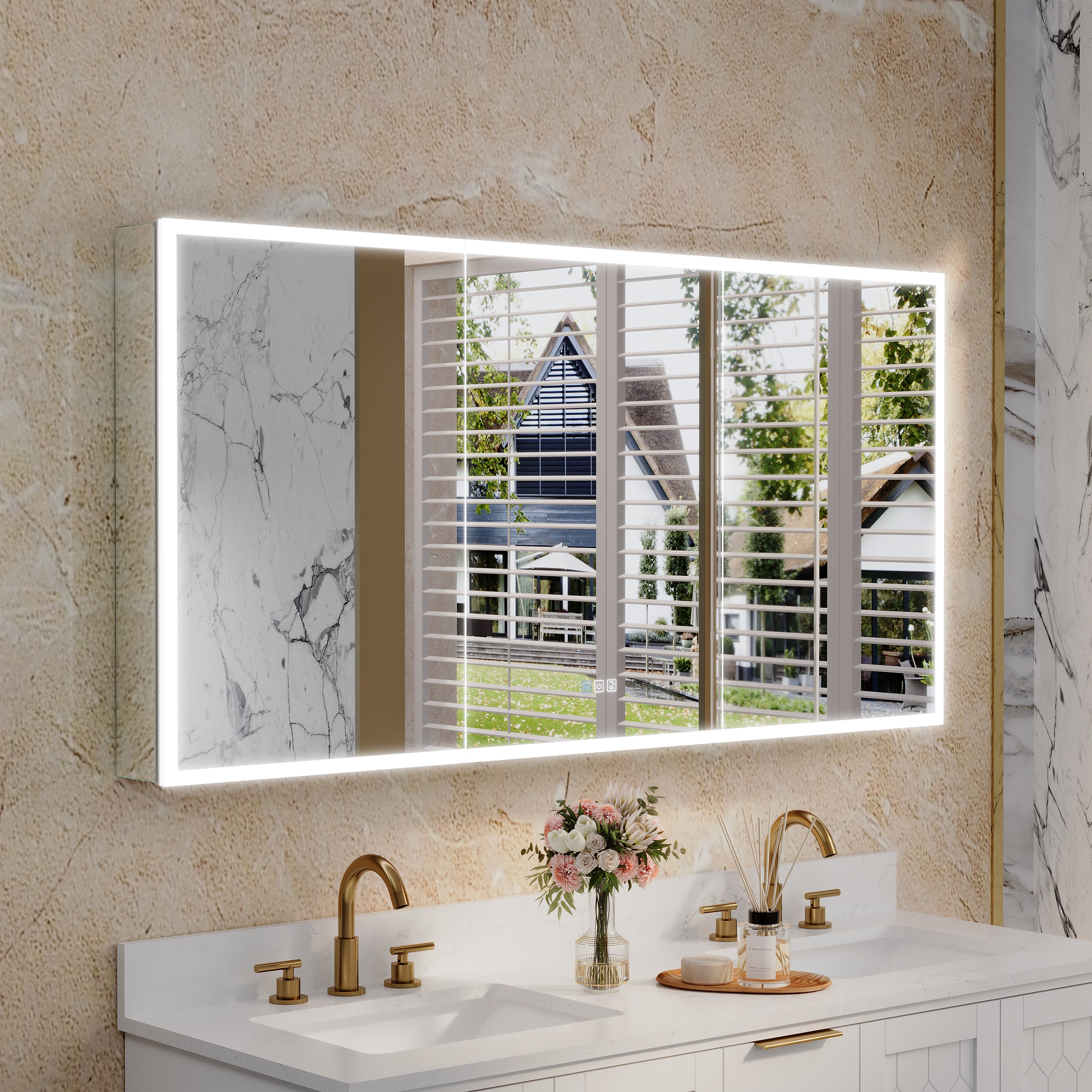
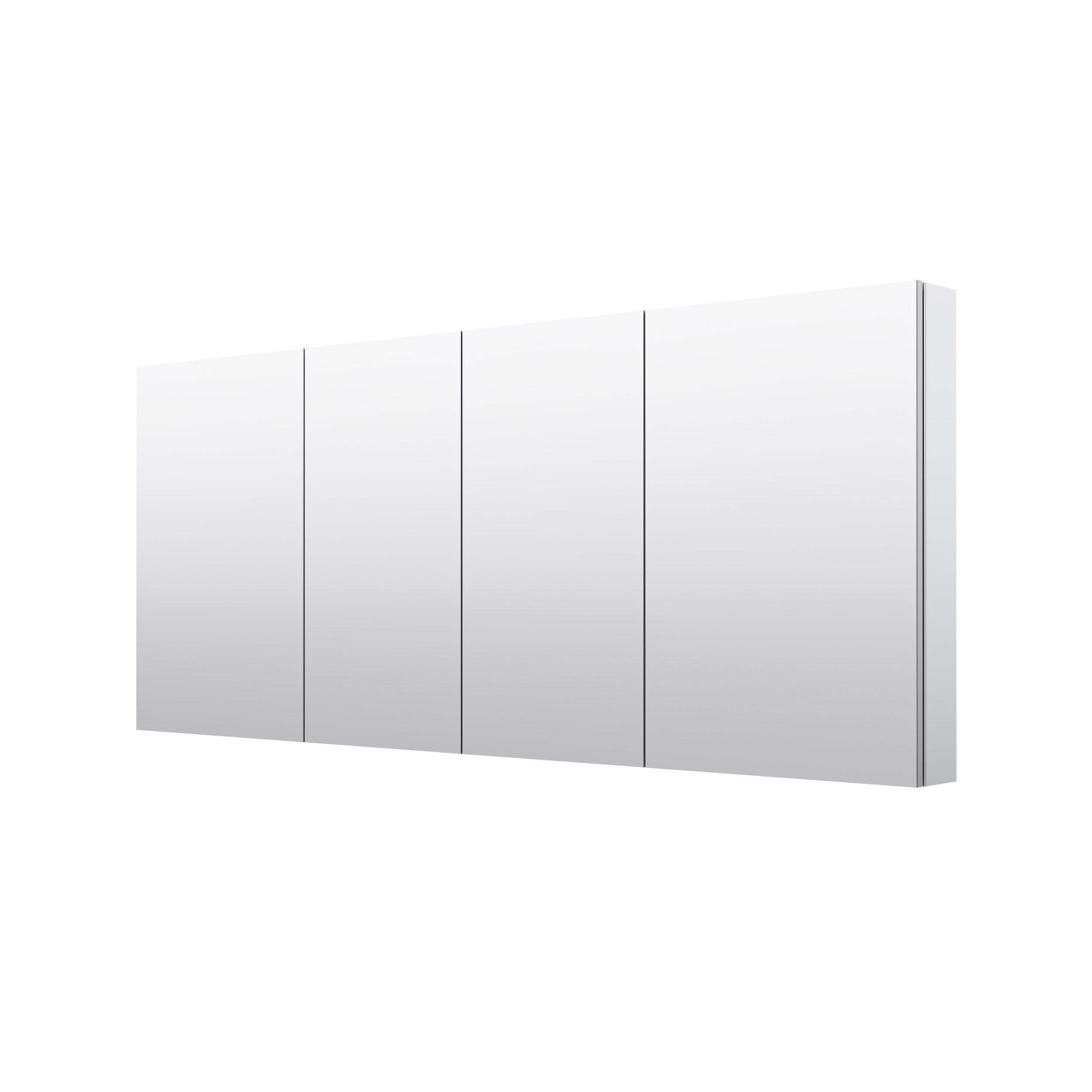
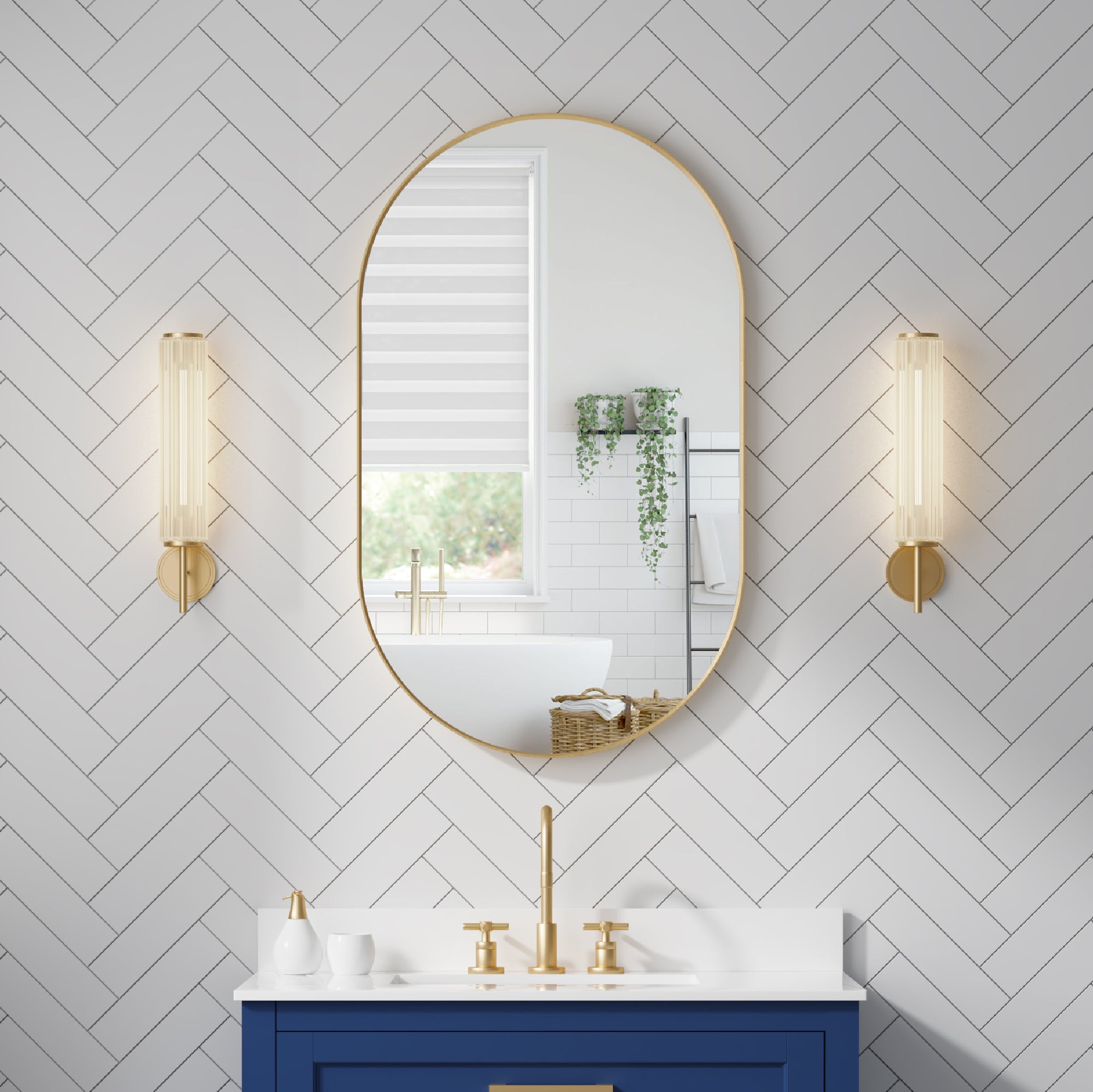
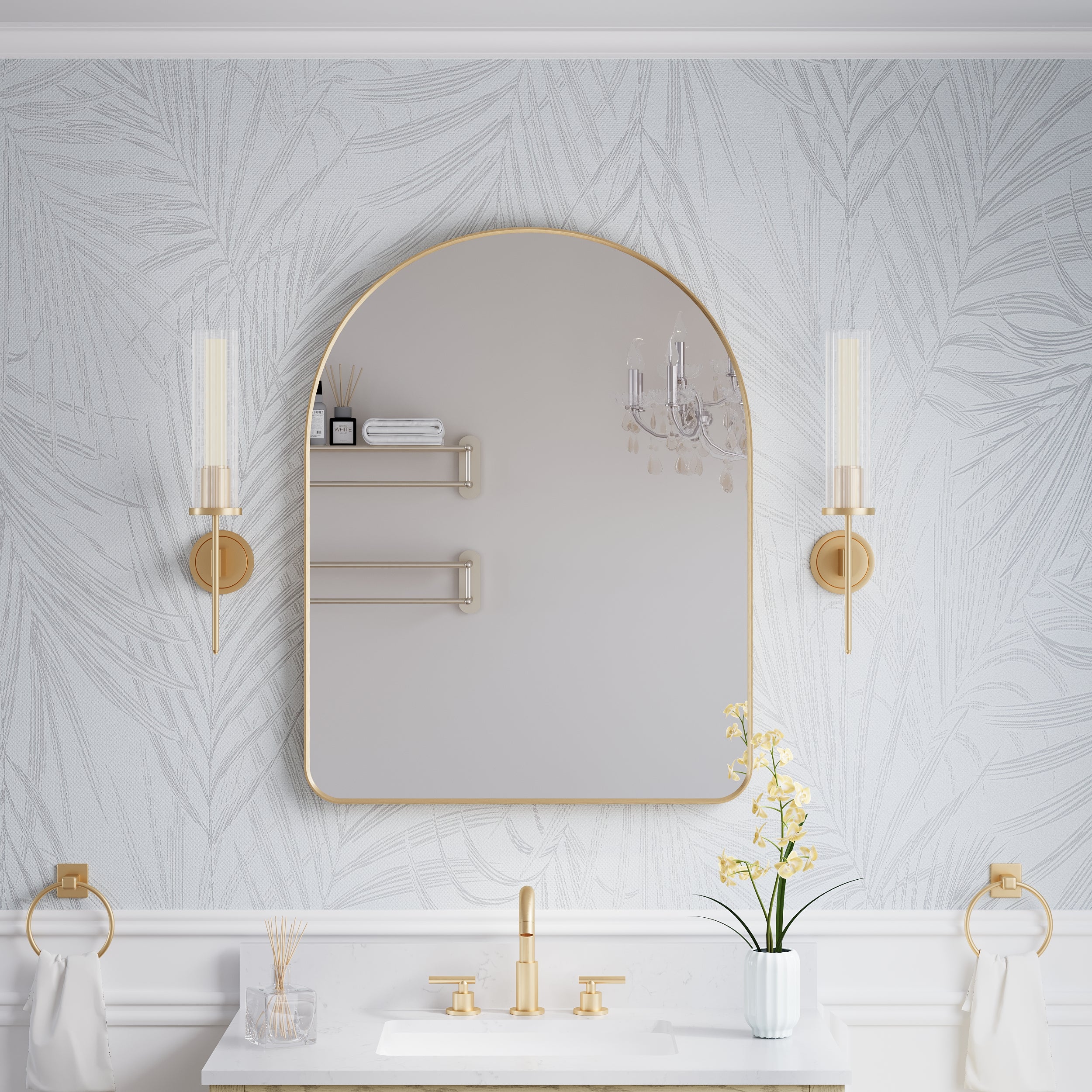
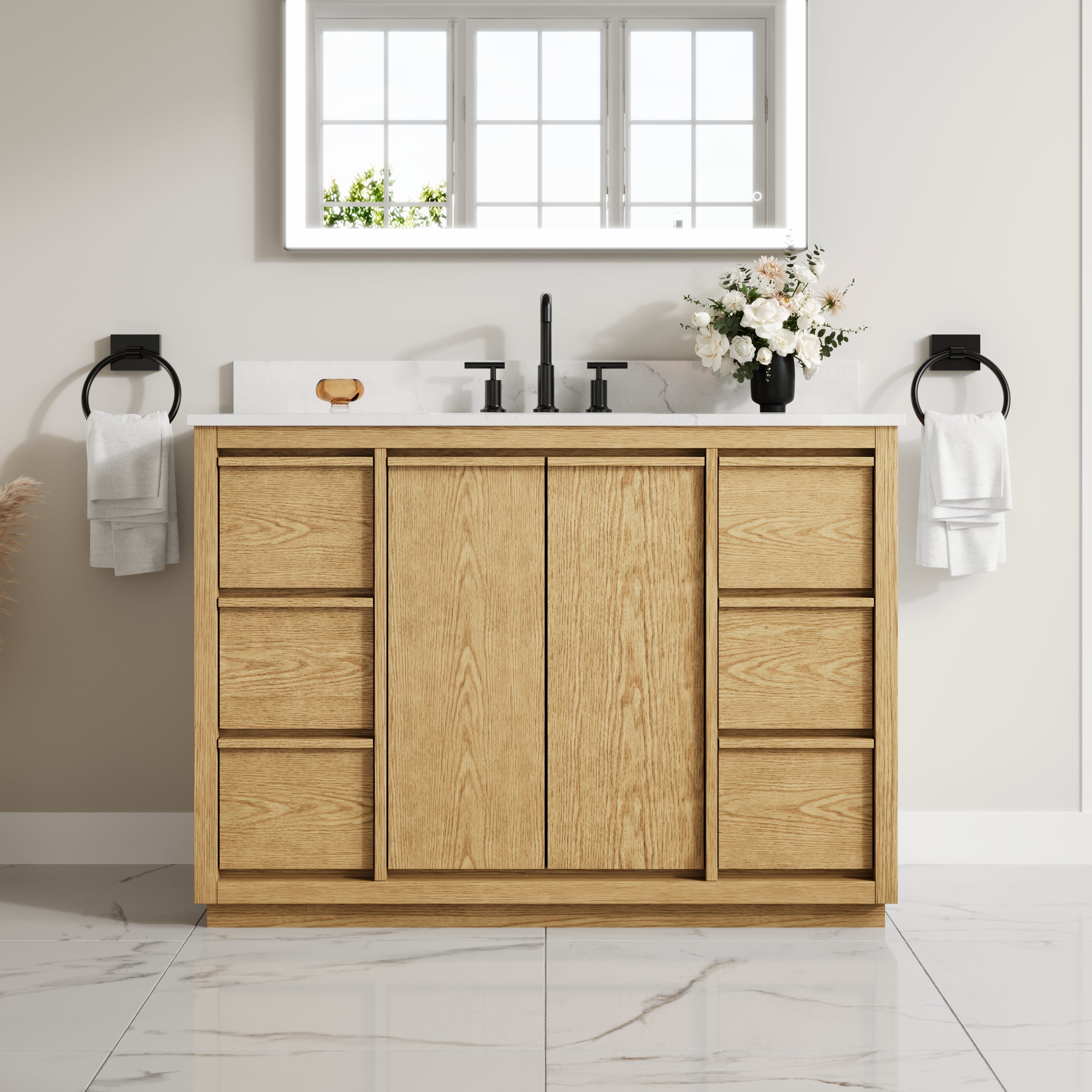
l Create contrast: Pair light walls with dark frames, and dark walls with light frames.
l Match materials: If your countertop is made of marble or quartz, select a frame in a similar tone.
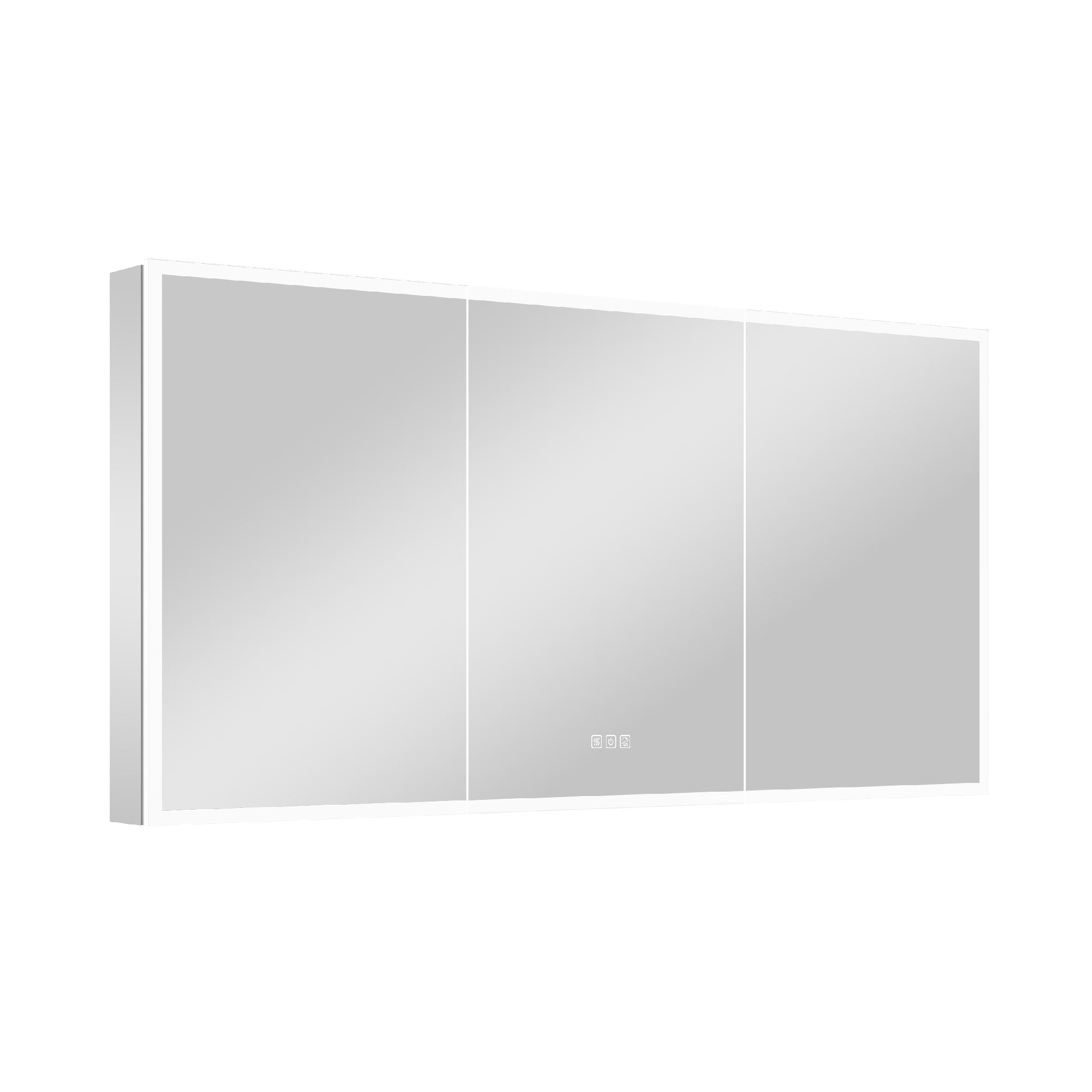
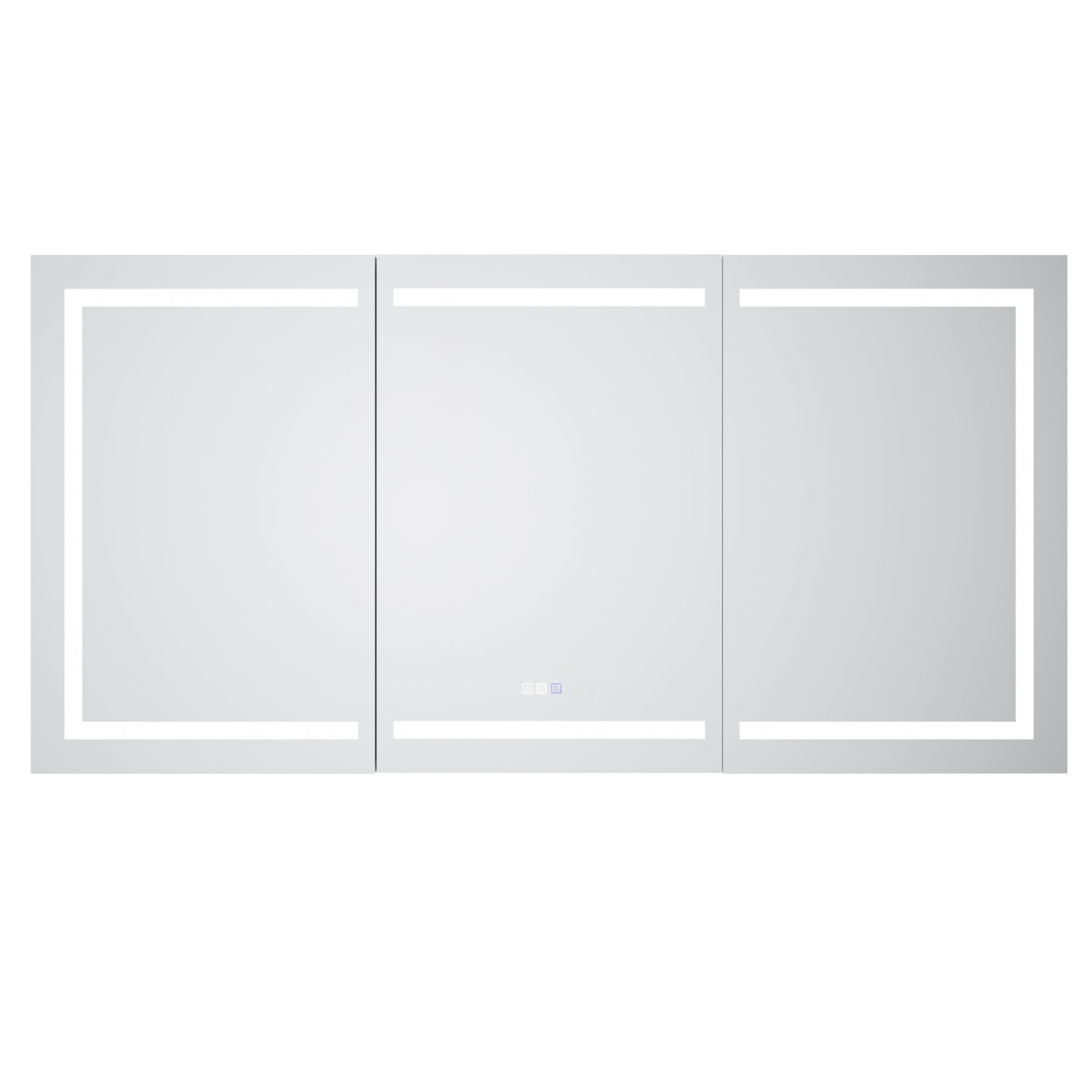
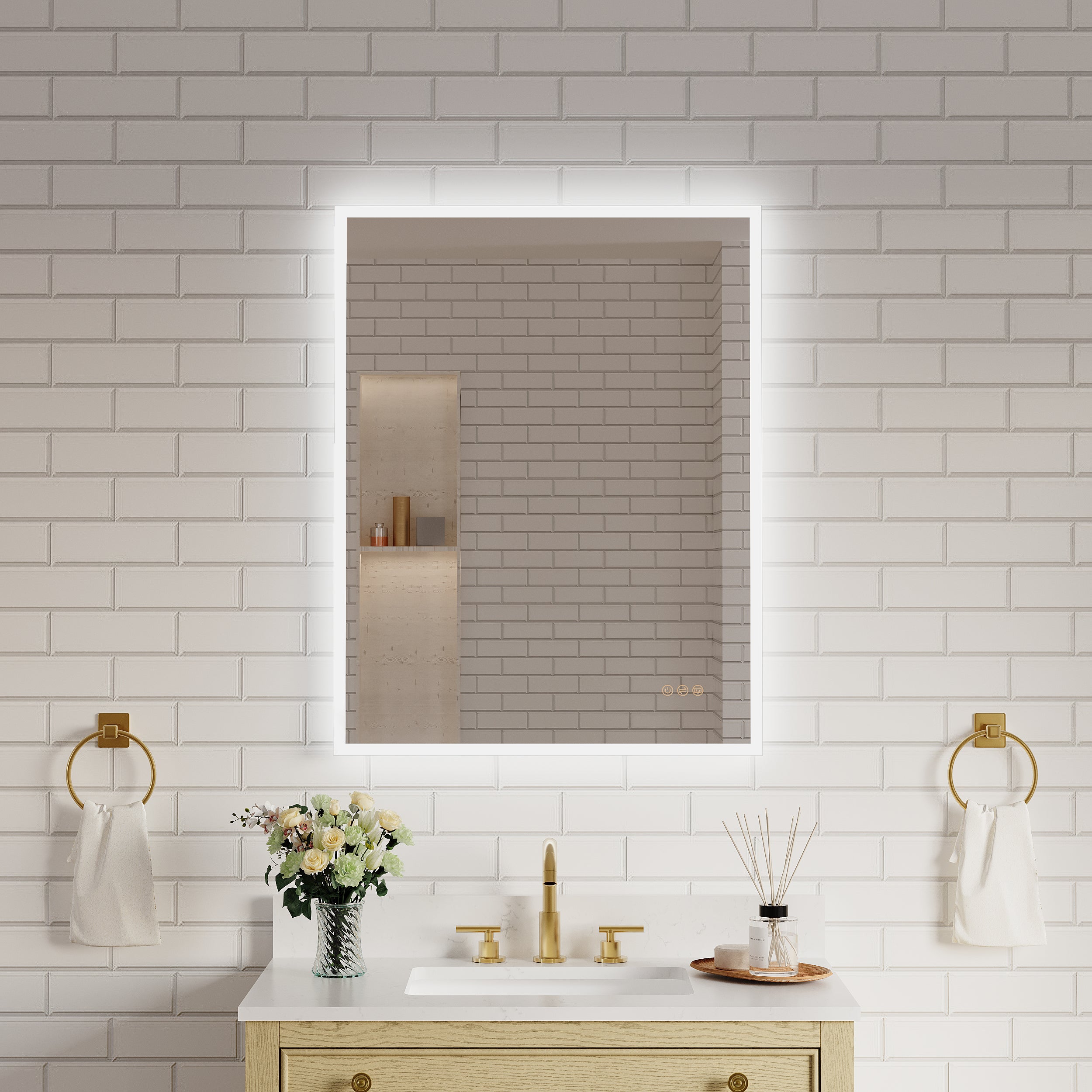
l Go frameless or backlit: Hidden lighting creates a softer glow and works well for a minimalist look.
According to ArchDaily, mirrors with hidden lighting have approximately 40% higher satisfaction ratings than those with exposed light strips, as they appear more natural and less harsh.

5. Balance Mirror Light with Natural Light
If your bathroom receives sunlight, consider how natural and artificial light work together to create a harmonious ambiance.
Cold lighting can clash with daylight, while warm light may look too dim at night.
Easy fixes:
Choose dimmable LED mirrors that allow you to adjust the color temperature (2700K–6500K).
Or try a dual-light setup — a slightly warm mirror light and a cooler ceiling light for balance.
Many modern mirrors now include touch controls and memory settings, and sales of these smart mirrors have increased by nearly 80% in the past two years — simply because they allow you to change the lighting mood at any time.
6.Adjust brightness according to space size
The size of the space can also affect the selection of lighting:
Small bathroom: Mirrors can be selected with backlight function, visually more "expandable";
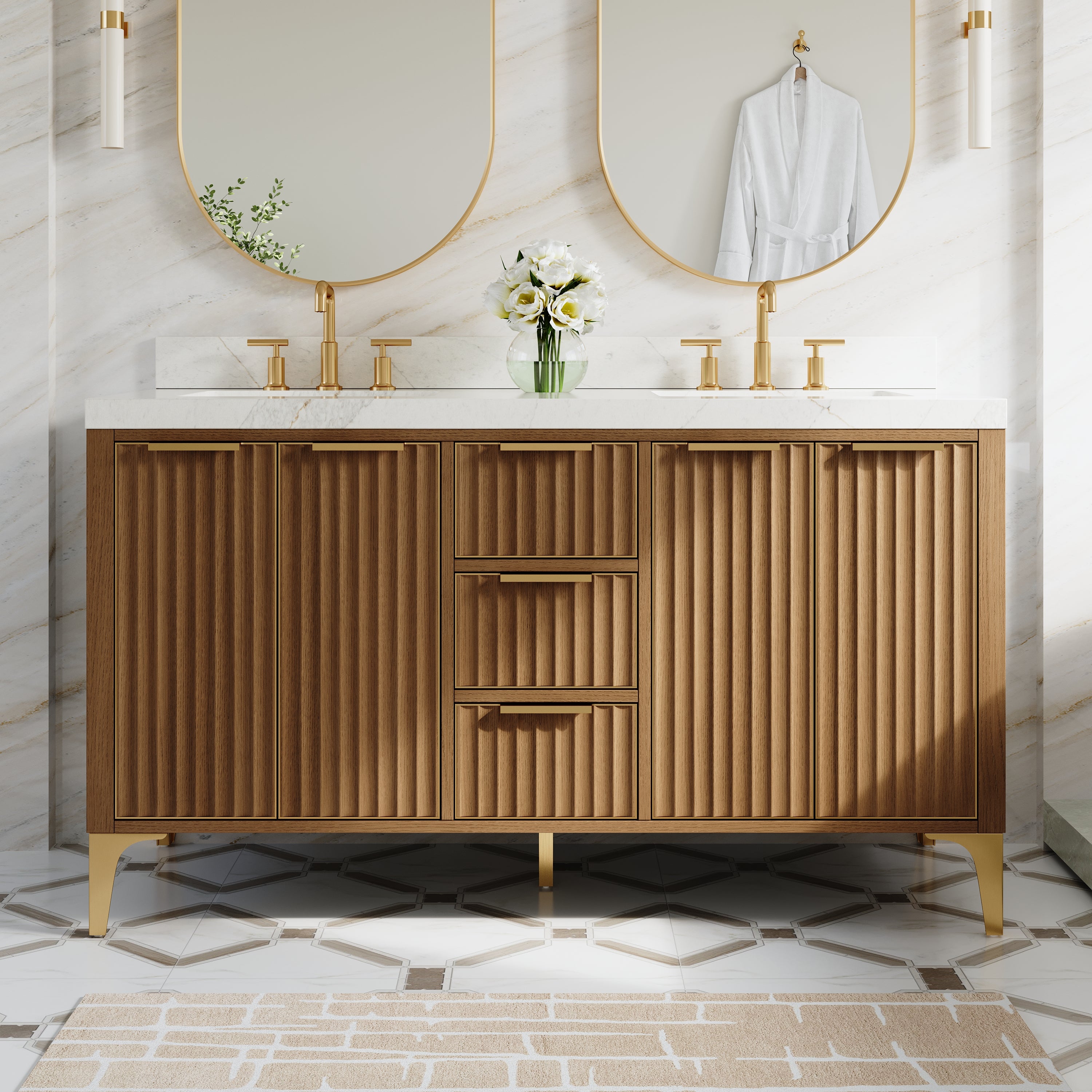
Large bathroom: A double mirror design or independent side lights can be considered to create more even lighting.
Research shows that a bathroom with evenly distributed light can increase people's perceived space by approximately 15%. That's why the mirrors in high-end hotels never go in one direction.
7.Balancing practicality and atmosphere: a bonus for intelligent functions
In addition to color matching, modern LED mirrors are increasingly emphasizing "functional experience":
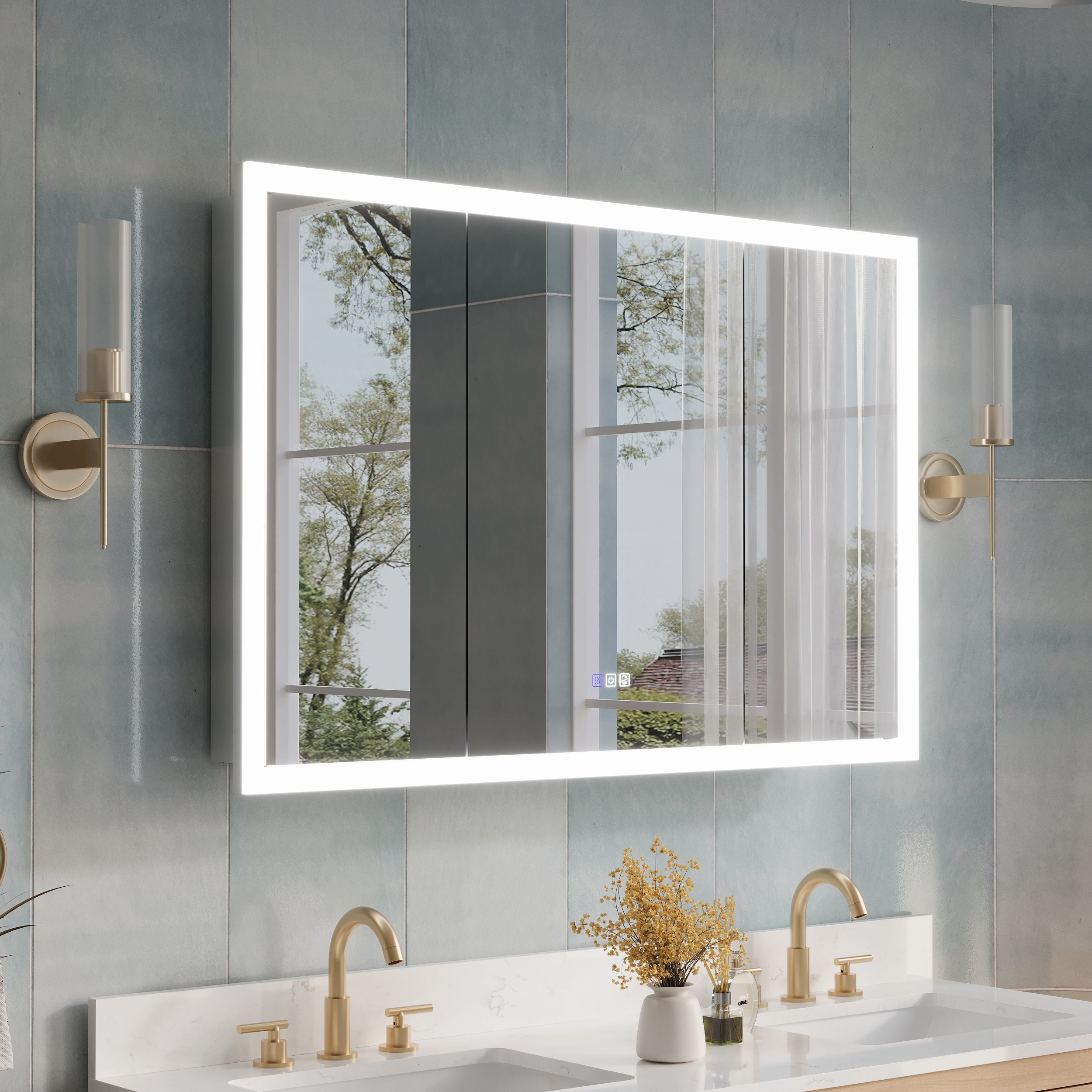
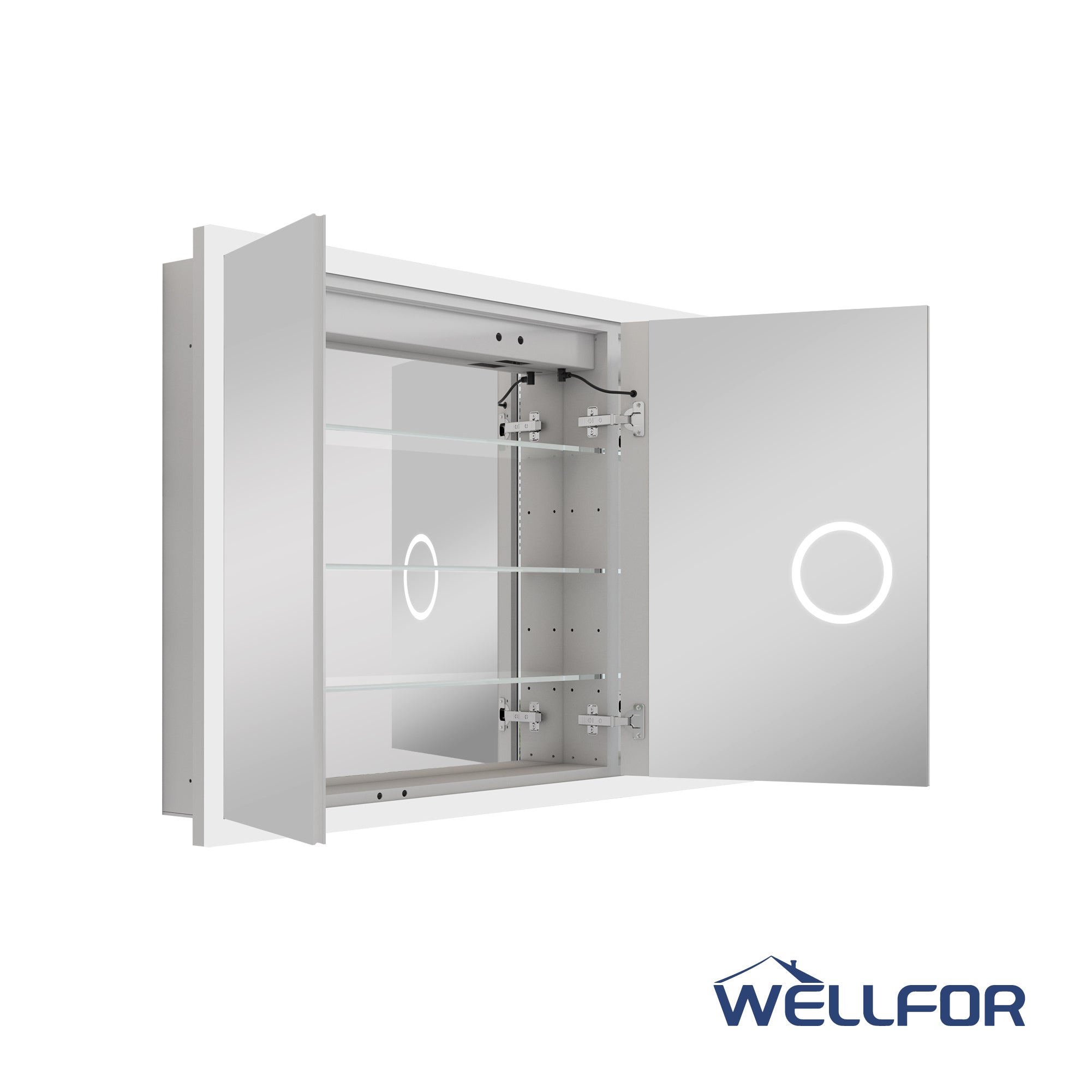
l Anti fog heating: The mirror surface does not blur after taking a shower;
l Bluetooth speaker: Listen to music while washing up;
l Timed and automatic brightness adjustment: energy-saving and convenient.
According to market data from Smart Home Insider, the smart mirror market is projected to reach $6 billion by 2027. This indicates that it is not just a mirror, but also a part of the future innovative bathroom ecosystem.
8.Practical case: Using "light" to change the bathroom atmosphere
In one renovation, a homeowner used matte gray walls with cool white lighting, but the space felt a bit cold. After switching to neutral light (4000K), the bathroom instantly looked softer and brighter.
Another homeowner chose a warm light mirror in a wood-grain bathroom with hidden backlighting, creating a cozy atmosphere. She said, “I feel better every time I look in the mirror.”
It’s not just her imagination — studies show that warm light makes skin tones look more natural and healthy, which is why it’s a favorite choice for home bathrooms.
9.Environmental Protection and Energy Conservation Trends
Beyond their appearance and functionality, LED mirrors are also energy-efficient.
They use about 75% less power than halogen lights and can last over 50,000 hours. Some brands even use eco-friendly, recyclable materials, making them perfect for families who care about sustainability.
For anyone building a greener home, an LED mirror isn’t just décor — it’s a wise, eco-conscious choice.
Summary: Finding the Balance Point between Light and Color
Choosing the right LED mirror is not just about illuminating the face, but also about illuminating the emotions of the entire space.
When the light color, wall, and material complement each other, the bathroom can become a practical and aesthetically pleasing space.
A right light can make your bathroom look brand new.












Leave a comment
This site is protected by hCaptcha and the hCaptcha Privacy Policy and Terms of Service apply.