

















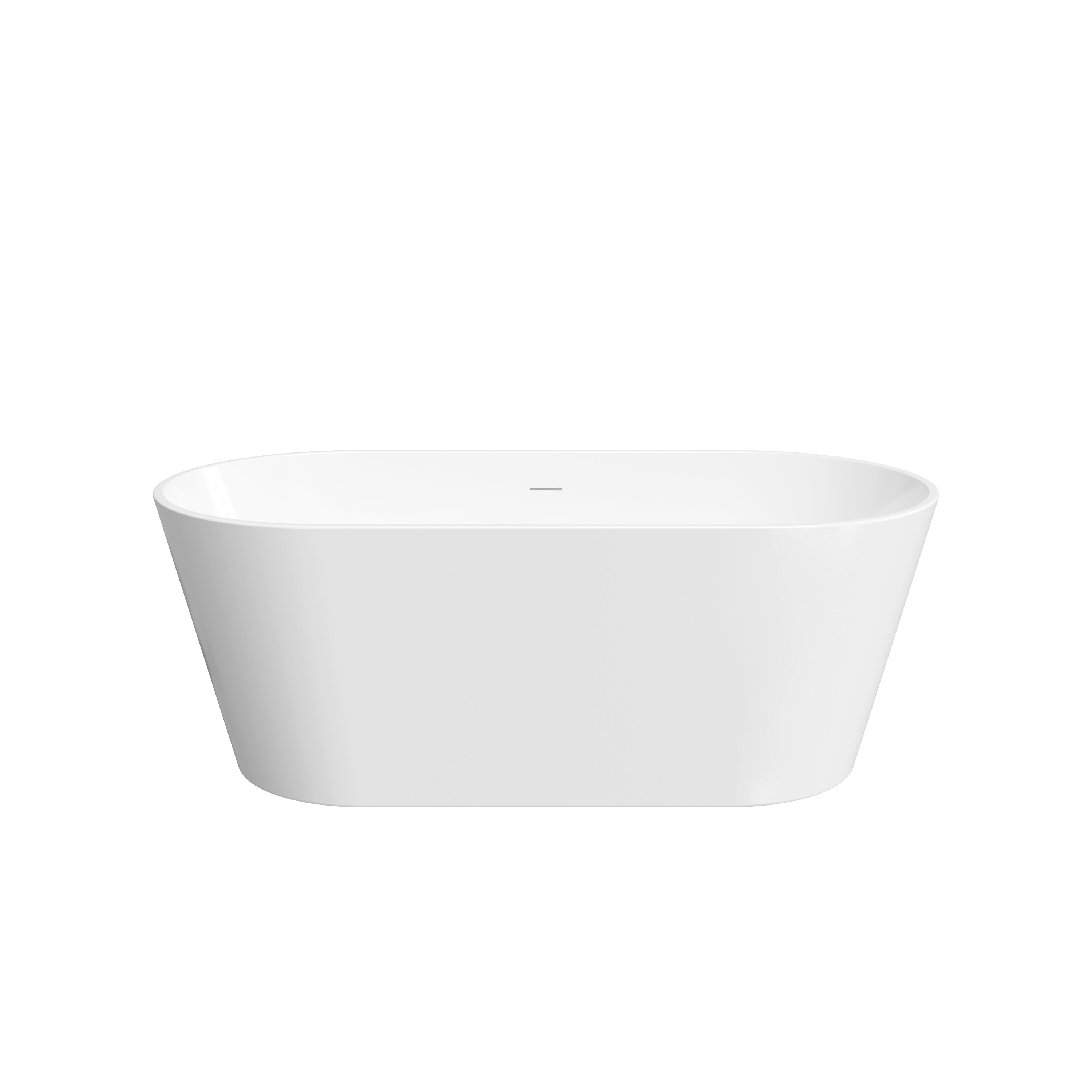
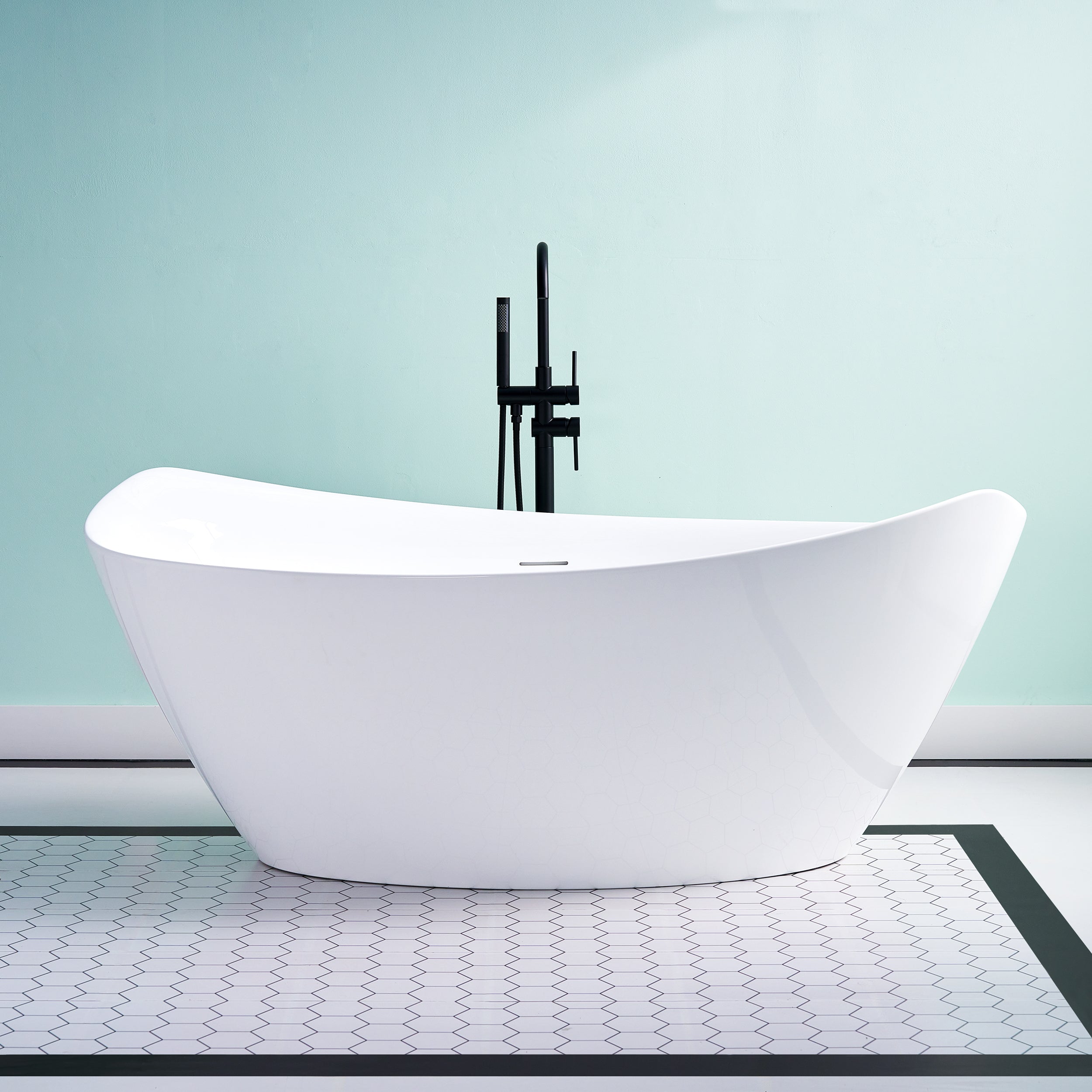
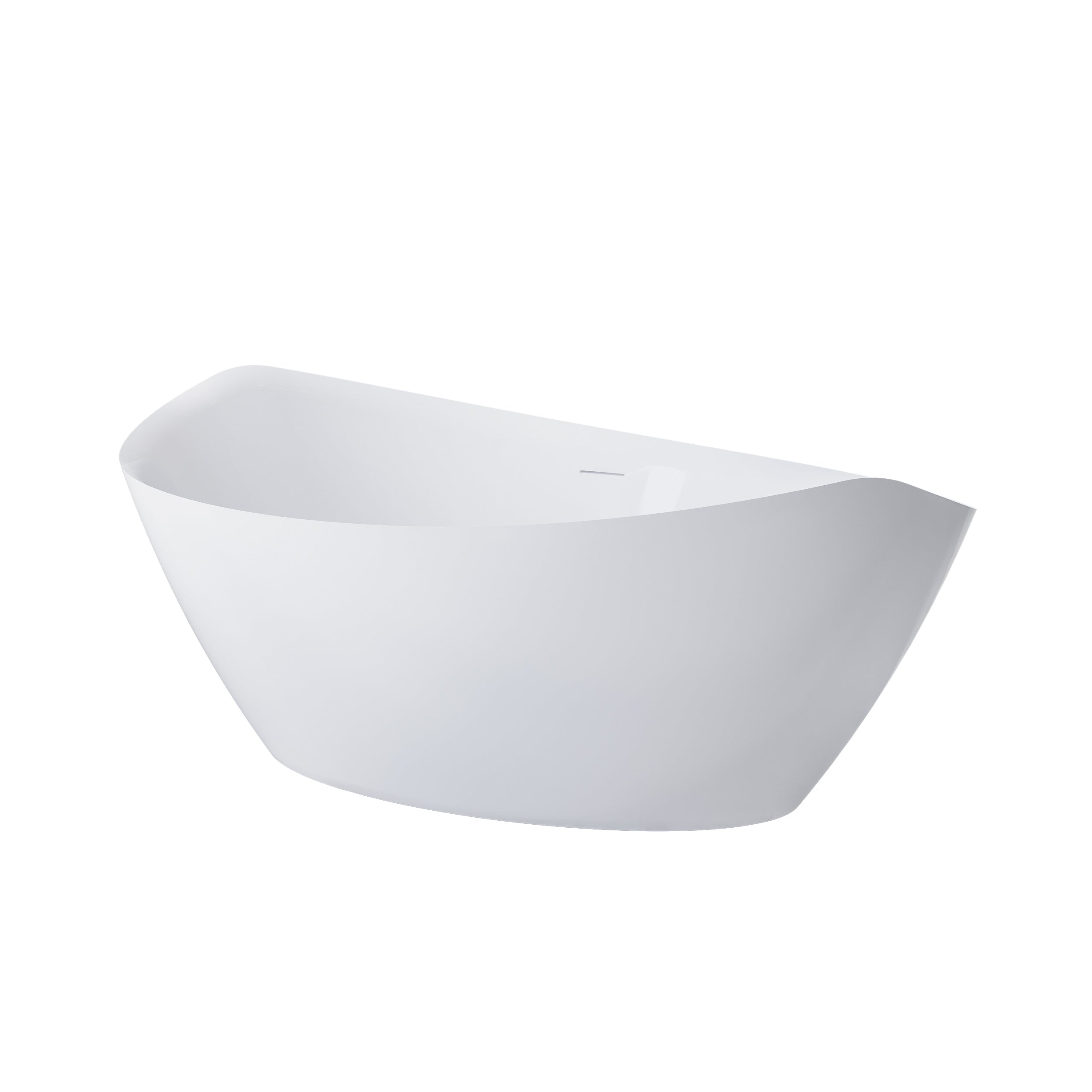
In the trend of modern home decoration, acrylic bath tubs are gradually becoming a popular choice in bathroom renovation due to their lightweight materials, stylish appearance, and good insulation performance. Whether it's the clever layout of small spaces or the pursuit of luxurious independent bathtub design, an acrylic bath tub can add a warm texture and modern atmosphere to the bathroom. However, many families overlook a key issue after renovation: how to properly maintain the acrylic bath tub and keep it looking as good as new?
This industry news will reveal the "longevity secret" of acrylic bath tub from the perspectives of material characteristics, daily cleaning, usage precautions, and professional maintenance, helping consumers and designers to more scientifically maintain the high-quality state of the bathroom space.
1. Why choose acrylic bath tub?
In the bathroom market, the reason why acrylic bathtubs can replace some traditional cast iron and enamel bathtubs lies in the advancement of their material technology and the innovation of their user experience.
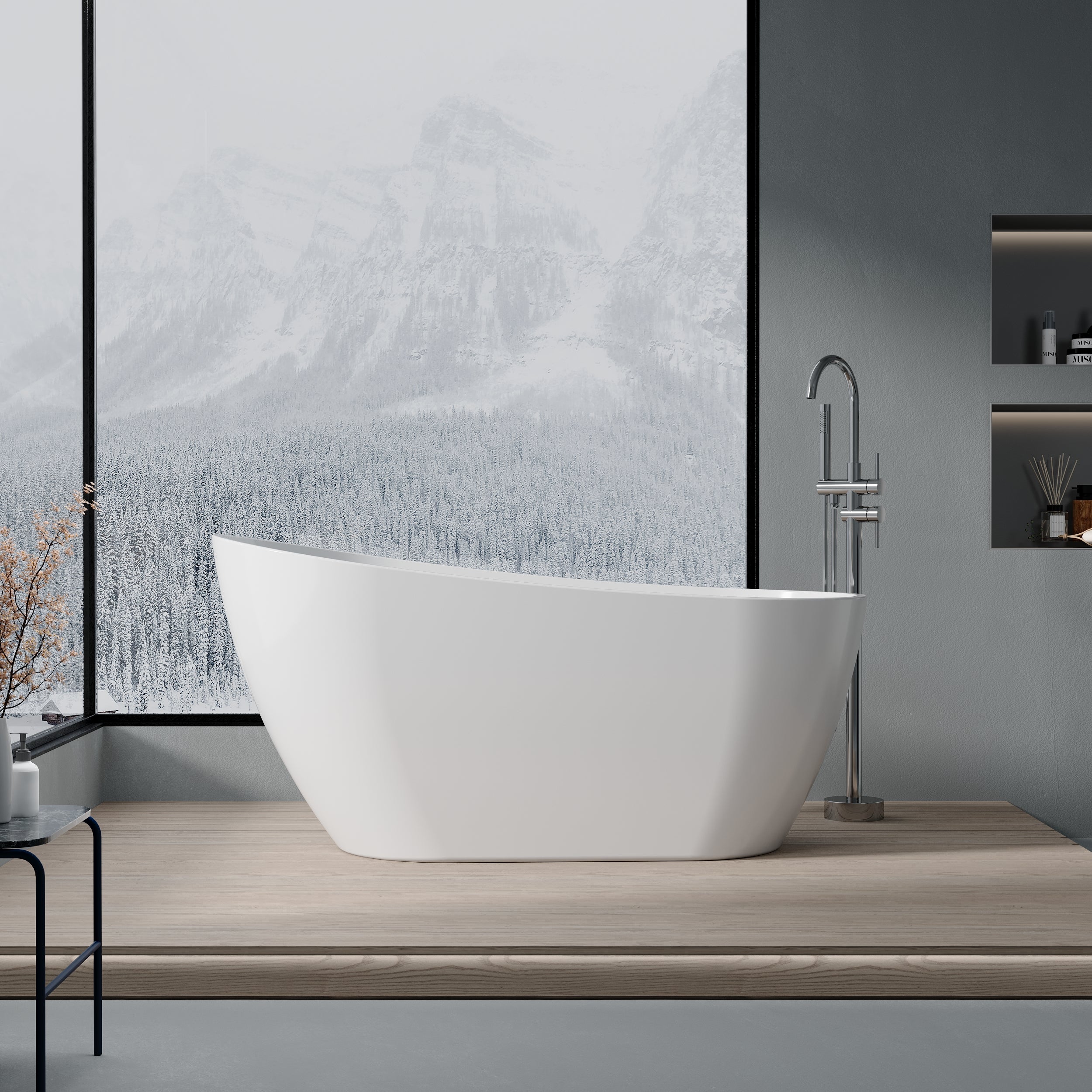
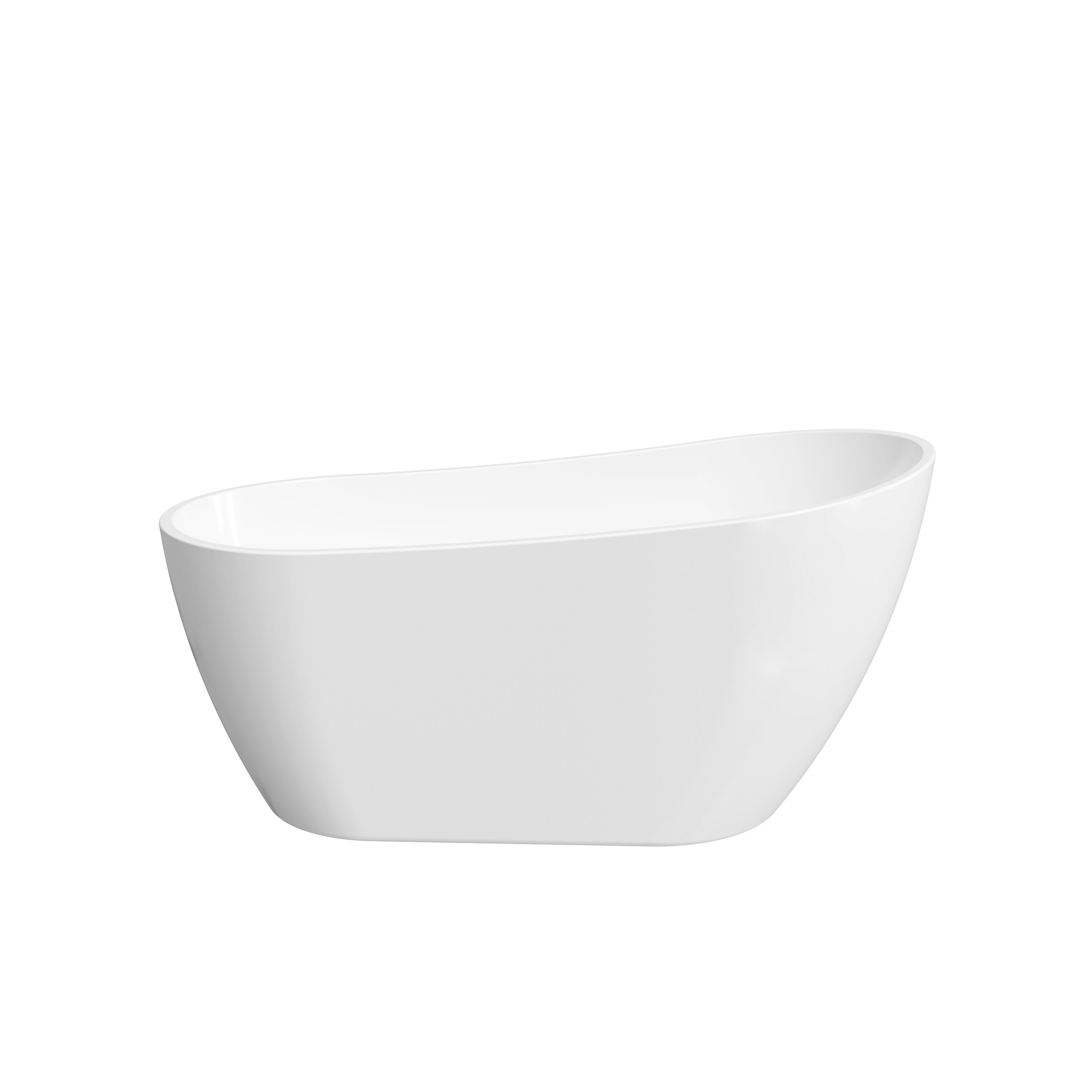
Acrylic material (also known as PMMA) has a smooth, mirror-like texture, good corrosion resistance, and high plasticity, making it easy to create round, lightweight modern shapes. At the same time, the acrylic surface provides good thermal insulation, which helps maintain a consistent water temperature for an extended period during the bathing process, resulting in a more comfortable bathing experience.
In addition, compared to heavy metal bathtubs, acrylic bath tubs are easier to transport and install, with lower floor load requirements, making them very suitable for modern residential and small space bathroom use.
But precisely because its surface is smooth and flexible, it also means that it requires milder and more scientific maintenance methods to avoid scratches, scale, or fading issues.
2. Understand the "delicacy" and toughness of acrylic material
The surface of acrylic is a thermoplastic polymer material that has been polished and hardened, giving it a crystal clear appearance. However, it is not as hard as ceramics and not as scratch-resistant as metal materials, so extra attention should be paid when cleaning and using it.
Advantages of Acrylic:
Lightweight and flexible installation;
Strong insulation and warm touch;
High plasticity and modern design;
Not easy to breed mold.
At the same time, there are also potential weaknesses:
Easy to be scratched by complex objects;
May change color when exposed to high temperature or firm acidity or alkalinity;
Improper cleaning may lead to a decrease in gloss.
This means that in daily maintenance, a gentle and neutral maintenance strategy should be adopted to extend the service life.
3. The Golden Rule of Daily Cleaning
The frequency and method of cleaning the bathtub directly determine the durability of the acrylic surface. The first six months after the decoration is completed are particularly crucial, as it is the period of material stability and adaptation. Here are several daily cleaning tips widely recommended by industry experts:
After each use, rinse the surface with warm water.
The residual soap water and shower gel after bathing can easily form soap deposits. It is recommended to rinse immediately with clean water and then dry with a soft cotton cloth or a microfiber towel.
Regularly use neutral cleaning agents.
Choose a cleaning solution that does not contain alcohol, ammonia, bleach, or abrasive particles, and gently wipe the inner walls of the bathtub. Excessive chemicals may corrode the surface gloss.
Avoid using stiff brushes or steel wire balls.
Although the surface of acrylic is sturdy, it is prone to scratches from stiff brushes. It is recommended to use a soft sponge or a cloth towel.
Maintain a dry environment.
Long-term accumulation of water in the bathtub can cause scale to adhere to the edges or drainage outlets. Keeping it ventilated and dry after each use can help delay the formation of stains.
4. Stubborn stain and scratch repair
Even with proper daily maintenance, slight scratches or scale deposits are inevitable after prolonged use. Here are professional repair and deep cleaning suggestions:
Remove mild scale:
Mix white vinegar with warm water in a 1:1 ratio, dip it in a soft cloth, wipe the surface, let it sit for a few minutes, and then rinse. This method can effectively decompose calcium carbonate deposits.
Minor scratch treatment:
Use specialized acrylic polishing paste to wipe the scratched area in a circular polishing manner gently. Severe scratches are recommended to be handled by professional maintenance personnel.
Prevent yellowing:
Avoid exposing the bathtub to direct sunlight for extended periods, as prolonged exposure to light may cause the acrylic surface to age and turn yellow. When installing, choose a bathroom area with soft lighting.
5. Precautions during use
Many consumers may inadvertently damage the material when using acrylic bath tubes. For example:
Do not pour boiling water directly into it. Instead, add cold water first and then heat the water to mix.
It is not advisable to use products containing essential oils and dyes in the bathtub to prevent discoloration of the tub.
Avoid placing metal objects on the edge of the bathtub for extended periods of time.
Do not stand at the edge or bottom of the bathtub to avoid stress concentration and cracking.
By paying attention to these small details, the service life of the bathtub can be effectively extended, keeping it smooth and in a new state at all times.
6. Professional maintenance suggestion: Create a "long-lasting and beautiful" bathroom space
In addition to daily self-maintenance, regular professional maintenance is also necessary to keep the acrylic bathtub in optimal condition. Many high-end bathroom brands and home decoration companies suggest:
Perform deep cleaning and waxing maintenance every six months to maintain optimal vehicle condition.
Professional acrylic bathtub maintenance wax can form a protective film on the surface, reducing scratches and the adhesion of dirt.
Regularly inspect the drainage and sealing structures to ensure they are functioning correctly.
If slow drainage or aging of silicone is found, it should be replaced promptly to prevent leakage and mold growth.
Pay attention to the stability of the bathtub support structure.
Especially for freestanding bathtubs or embedded designs, the base may become slightly loose over time, and regular inspections of the support feet or frame are necessary.

7. Market Trend: Moving from "Functional Bathroom" to "Light Luxury Aesthetics"
In recent years, consumers' expectations for bathroom space are no longer limited to functionality, but are increasingly focused on balancing comfort and visual aesthetics.
The acrylic bath tub, with its diverse shapes and high-gloss texture, is becoming the "emotional space core" in the eyes of home designers.
In many emerging home decoration trends, designers tend to:
Create a soft visual effect through curved edges and minimalist lines.
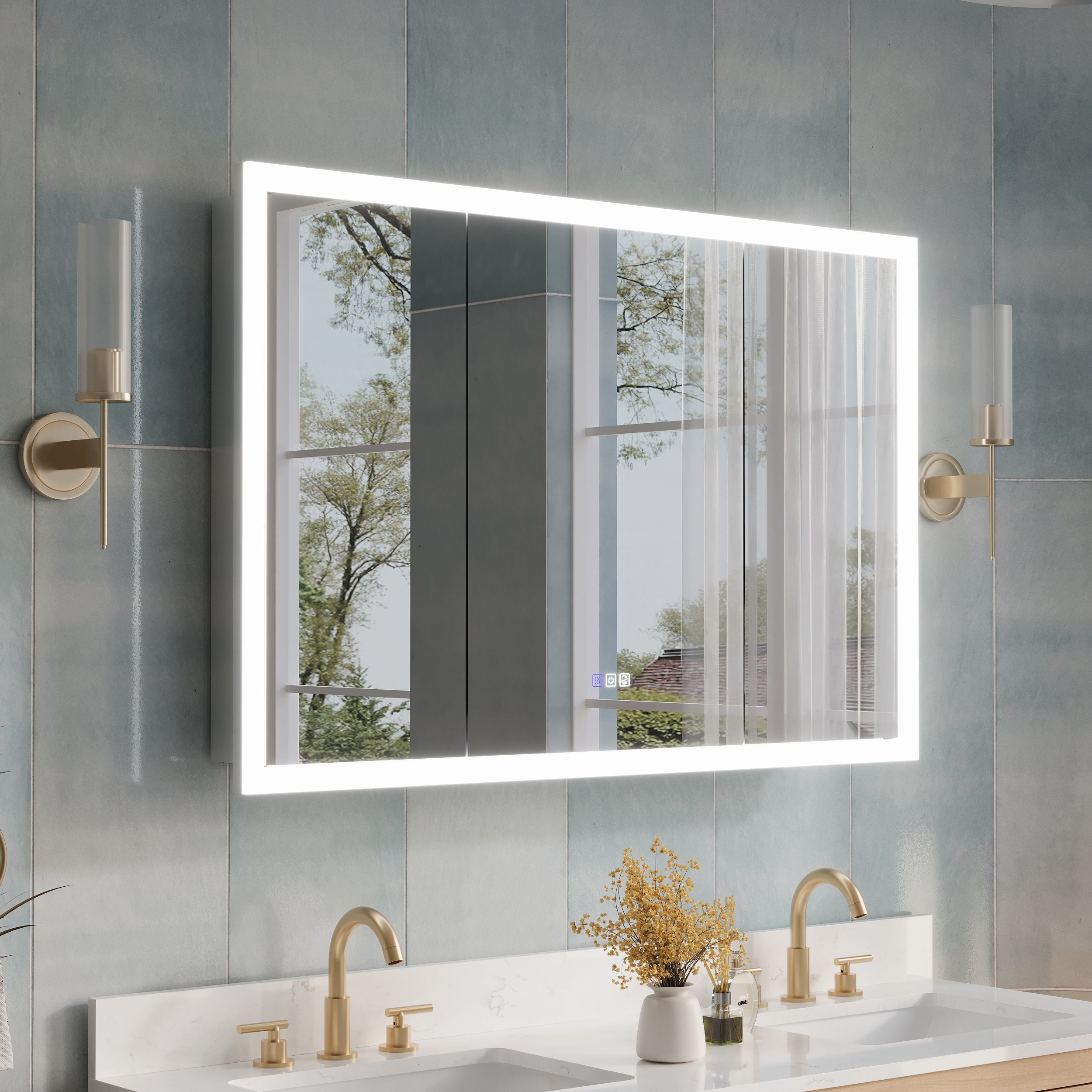
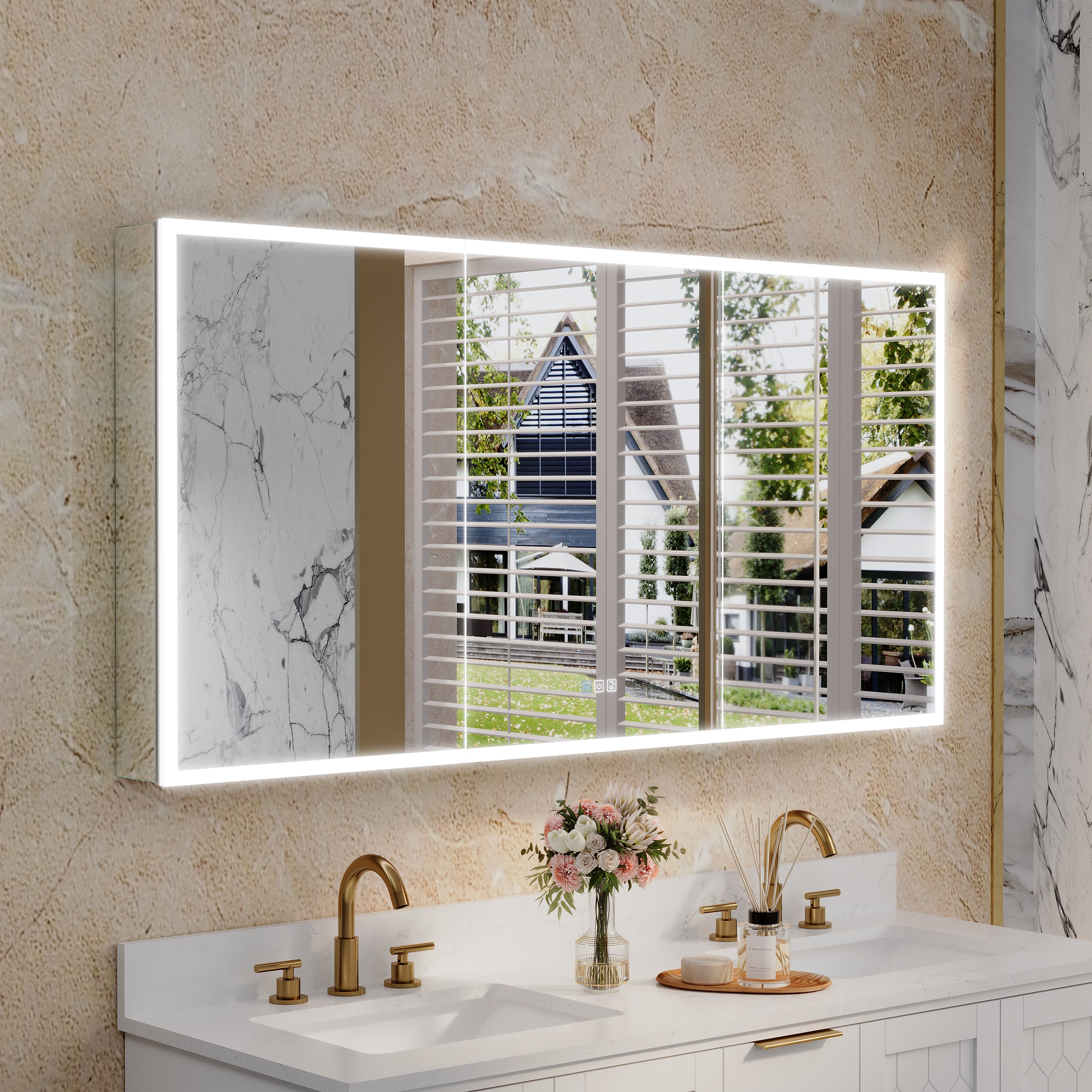
Paired with LED mirrors and black hardware, highlighting a modern atmosphere.
Use light colored acrylic material to enhance the transparency of the space.
This design trend has made the bathtub no longer just a bathroom accessory, but a symbol of lifestyle. Proper maintenance is crucial for maintaining a balance between aesthetics and functionality.
8. Conclusion: Details determine the 'lifespan' of a bathroom
Bathroom renovation is a long-term investment, and an acrylic bathtub, as a core bathroom item, directly affects the overall texture and comfort of the space.
From cleaning methods to usage habits, from scratch repair to regular maintenance, every small detail is extending its lifespan.
Proper maintenance is not a complex task, but an extension of lifestyle.
When you carefully maintain this warm luster, it will also continue to enhance your relaxing and comfortable bathing time.
















Leave a comment
This site is protected by hCaptcha and the hCaptcha Privacy Policy and Terms of Service apply.