





















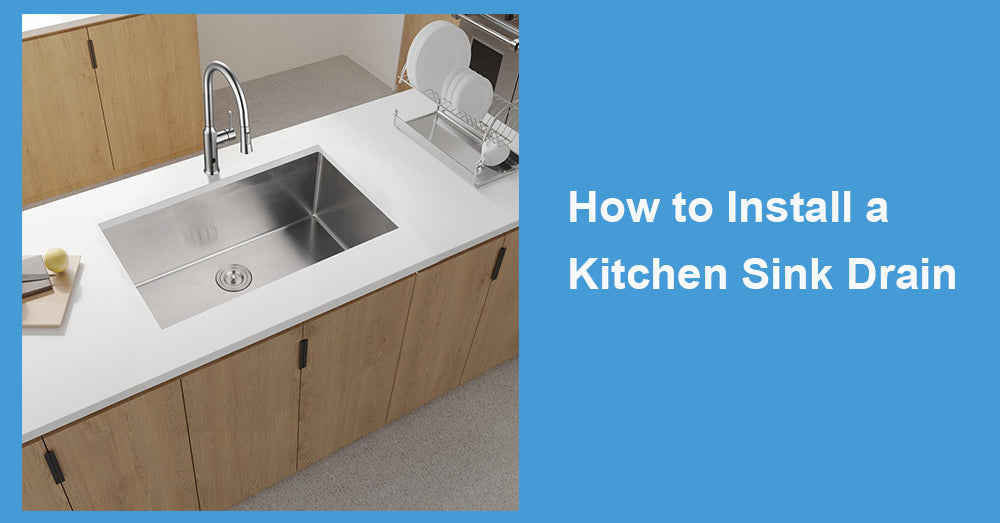
In modern kitchen design, installing the Kitchen Sink Drain system is a seemingly simple yet crucial step that determines the user experience and durability. According to HomeAdvisor, a US home renovation platform, the average cost to repair and replace kitchen sinks ranges from $150 to $400, and leakage caused by installation errors is one of the primary sources of water damage in households (source: HomeAdvisor.com).
This article will comprehensively analyze how to correctly install kitchen drainage systems, covering the installation process, pipe fitting selection, sealing techniques, and related aspects, to help consumers and design professionals master operating guidelines that comply with North American standards.
1. Understand the composition of the kitchen drainage system
The standard kitchen sink drainage system mainly includes the following components:
Sink Drain Flange: responsible for connecting the bottom of the sink to the drainage pipe interface, typically with a diameter of 3.5 inches.
Rubber gasket: located at the bottom of the flange to prevent leakage.
Locknut: Fix the drainage component.
Tailpiece: Connect the drainage outlet to the bent pipe.
P-Trap (P-Bend): prevents backflow of sewer gas.
According to the Uniform Plumbing Code in the United States, kitchen drainage outlets are typically 1.5 inches in diameter, and the drainage pipe slope should be maintained at 1/4 inch per 12 inches (source: IAPMO.org).
2. Preparation and measurement before installation
Before starting the installation, it is necessary to check:
Sink Opening: The standard size is generally 3.5 inches, but some high-end custom sinks may be 4 inches.
Countertop Thickness: If the thickness of a quartz or granite countertop exceeds 1.5 inches, an extended threaded flange is required.
Drain Height: It is usually 16-18 inches from the ground to the drainage center point. If it is too low, it will affect the installation space of the bend pipe.
Recommended preparations for installation: adjustable wrench, pipe sealant, PTFE tape, PVC glue, towels, etc.
3. Detailed installation process explanation
Step 1: Install the Drain Flange
Apply a layer of waterproof sealant on the bottom of the flange first.
Insert the flange into the sink hole and install the rubber gasket and locking ring from below in sequence.
Use a wrench to tighten the nut, but avoid excessive force that may cause flange deformation.
Professional advice: For some load-bearing stainless steel sinks, it is recommended to use metal locking rings to enhance the sealing strength (source: PlumbingSupply.com).
Step 2: Connect Tailpiece to P-Rap
Insert the Tailpiece into the bottom of the flange and secure it with a nut.
Connect the P-Rap, keep it level and slope consistent, and ensure the drainage direction is slightly inclined towards the wall.
Check whether the P-Rap interface is tightly sealed, and use PTFE tape or silicone reinforcement if not.
According to data from the US Environmental Protection Agency (EPA), the average household loses over 10,000 gallons of water annually due to pipe-seam leaks (source: EPA.gov), with the majority of issues arising from improper interface installations.
Step 3: Install the garbage disposer (if applicable)
If the kitchen is equipped with a garbage disposal unit, the following points should be noted:
Support strength: The garbage disposer weighs 10-15 lbs, and it is recommended to use a dedicated bracket for mounting.
Power distance: The socket should be located within 12 inches below the device and be waterproof.
Drainage interface: Some models require a separate connection to the dishwasher drainage pipe.
According to Forbes Home's 2024 data, approximately 49% of household kitchens in the United States are equipped with waste disposers, with a higher proportion—67%—in newly built homes (source: Forbes.com).
Step 4: Sealing and Testing
All threaded interfaces must be wrapped with Teflon tape 2-3 times.
Turn on the faucet and let the water flow continuously for 2 minutes to check for any water seepage.
Wipe each connection with a dry tissue, and if there are wet marks, tighten or re-glue them.
It is recommended to wait for at least 12 hours after the testing is completed before using the garbage disposal or dishwasher to ensure that the sealing material is completely cured.

4. Material selection and anti-corrosion suggestions
1. Material recommendation:
PVC pipes: Lightweight and easy to install, they are the most common choice in home decoration.
ABS pipeline: Strong impact resistance, suitable for low-temperature areas.
Stainless steel drain outlet: 304 stainless steel is recommended, with a thickness of about 0.08 inches and better corrosion resistance.
2. Anti-corrosion maintenance:
Regularly clean with baking soda and white vinegar to prevent oil accumulation.
Check for blockages inside P-Rap every 3 months.
The average annual repair cost for clogged kitchen drainage in American households is $500-$800 (source: Angi.com).
5. Common installation problems and solutions
|
Cause |
Solution |
|
Insufficient drainage slope or air blockage in the pipeline |
Adjust the P-Rap angle or install a ventilation valve |
|
The leakage interface of the bent pipe is not sealed or aged |
Reinstall and use new gaskets |
|
Odor P-Rap drying up |
Pour in a small amount of water every week to keep the liquid sealed |
6. Summary
A well-designed, standardized kitchen drainage system can not only enhance the cooking experience but also help avoid long-term maintenance risks. For kitchen decoration in the US and North American markets, following standard dimensions (such as a 1.5-inch drain and a 1/4-inch slope) and proper sealing processes are key to ensuring long-term, stable system operation.
In modern kitchens that pursue both aesthetics and functionality, the installation of drainage systems, although concealed, determines the overall "health index" of the kitchen. Professional installation and regular maintenance are the foundation for the efficient operation of every household kitchen.







































Leave a comment
This site is protected by hCaptcha and the hCaptcha Privacy Policy and Terms of Service apply.