














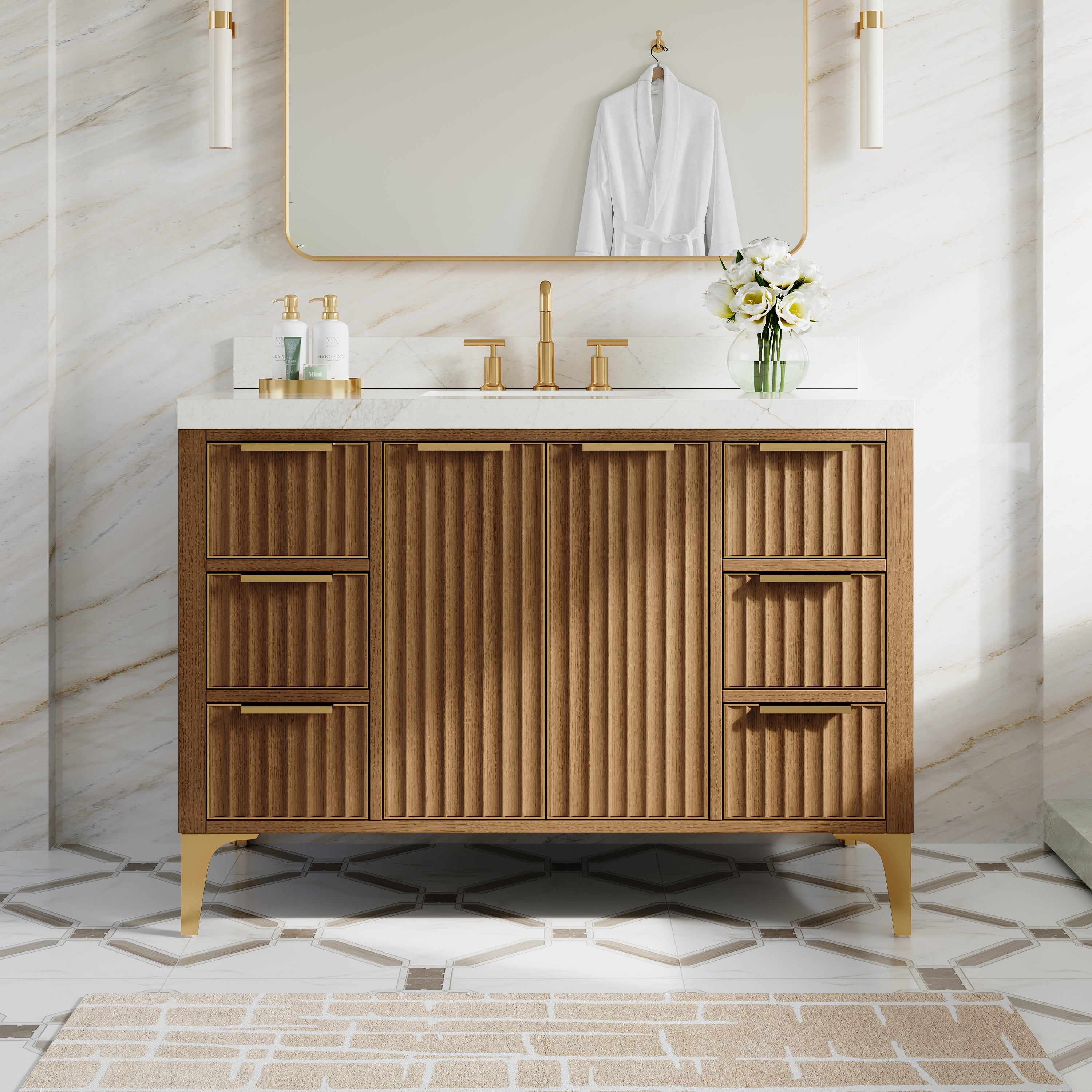
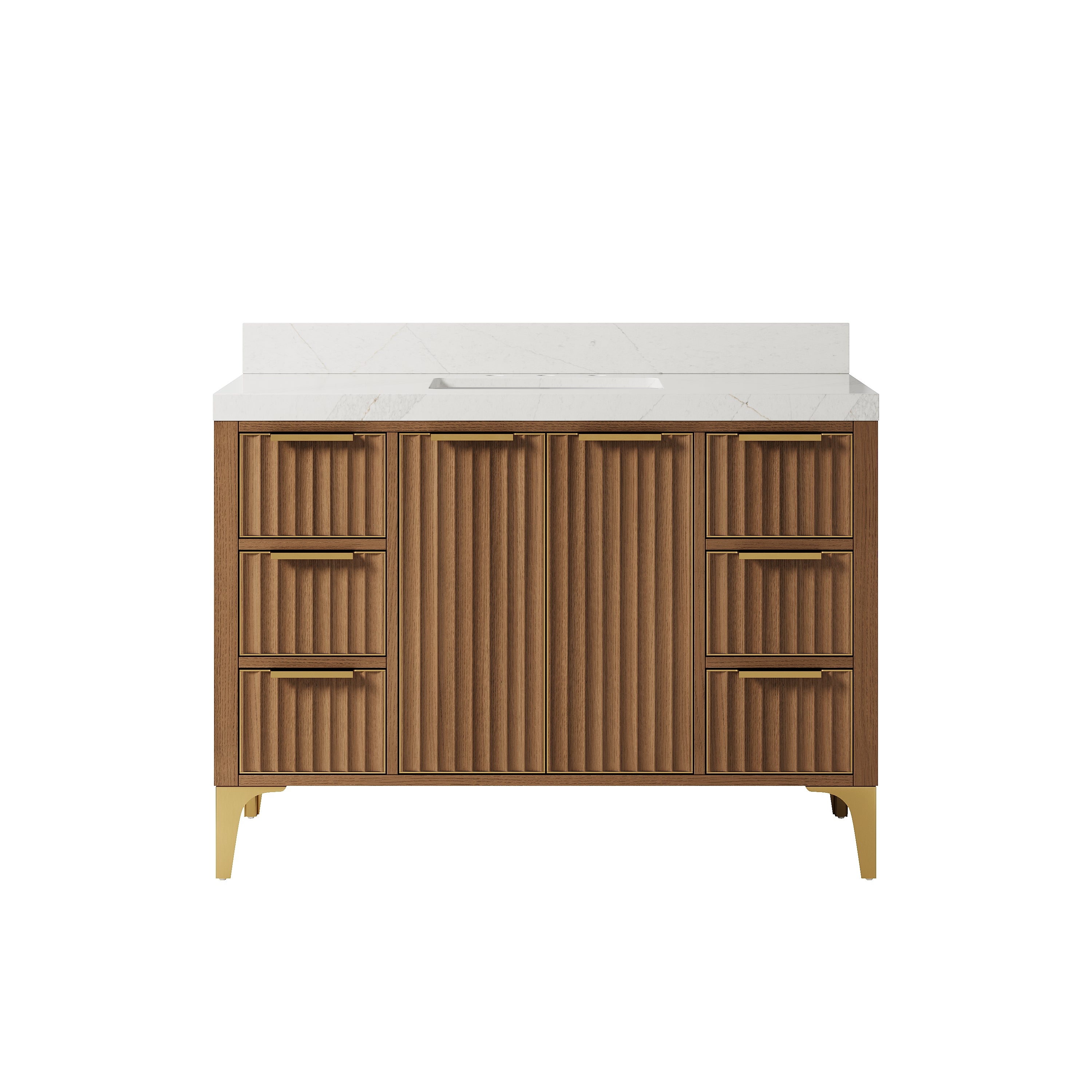


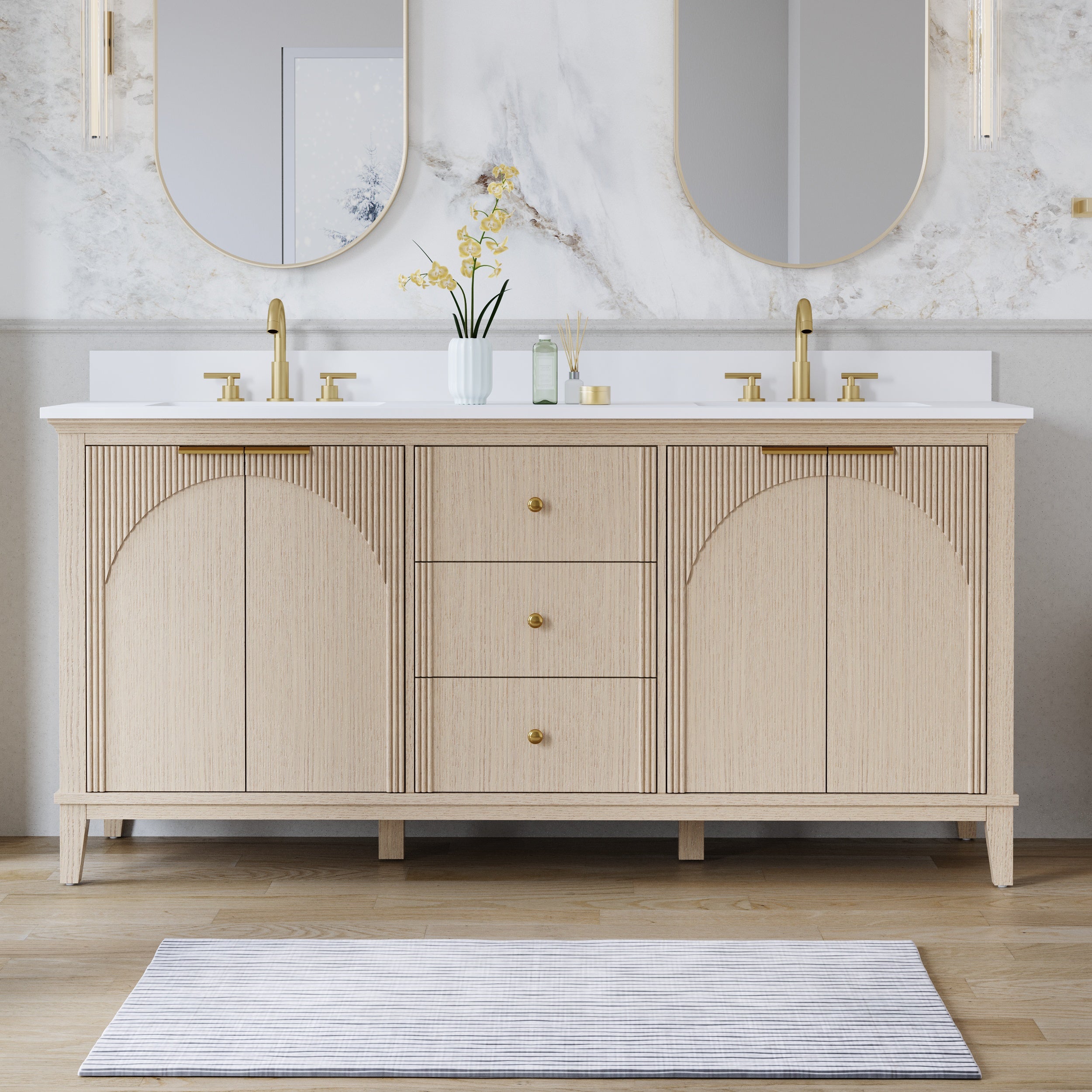
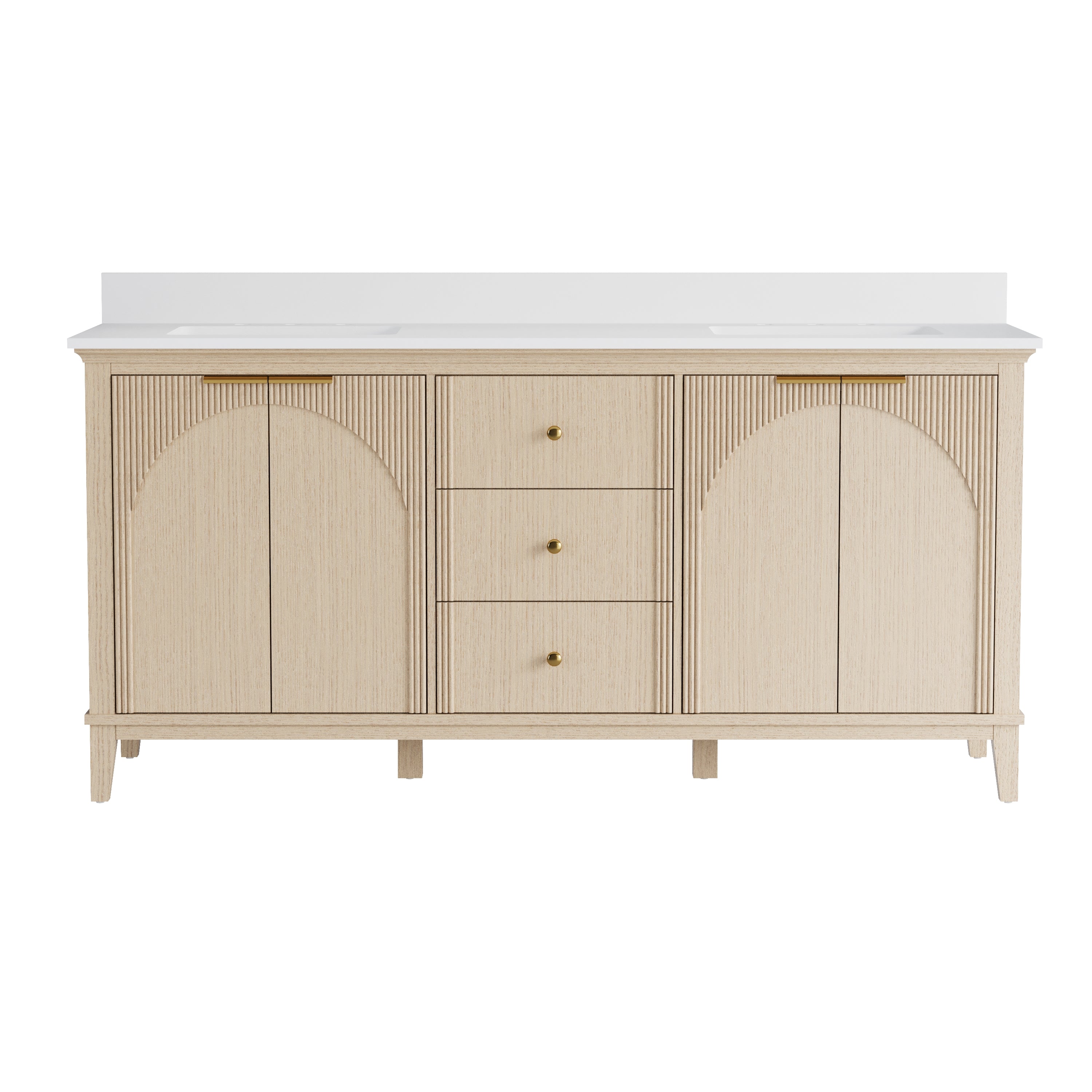
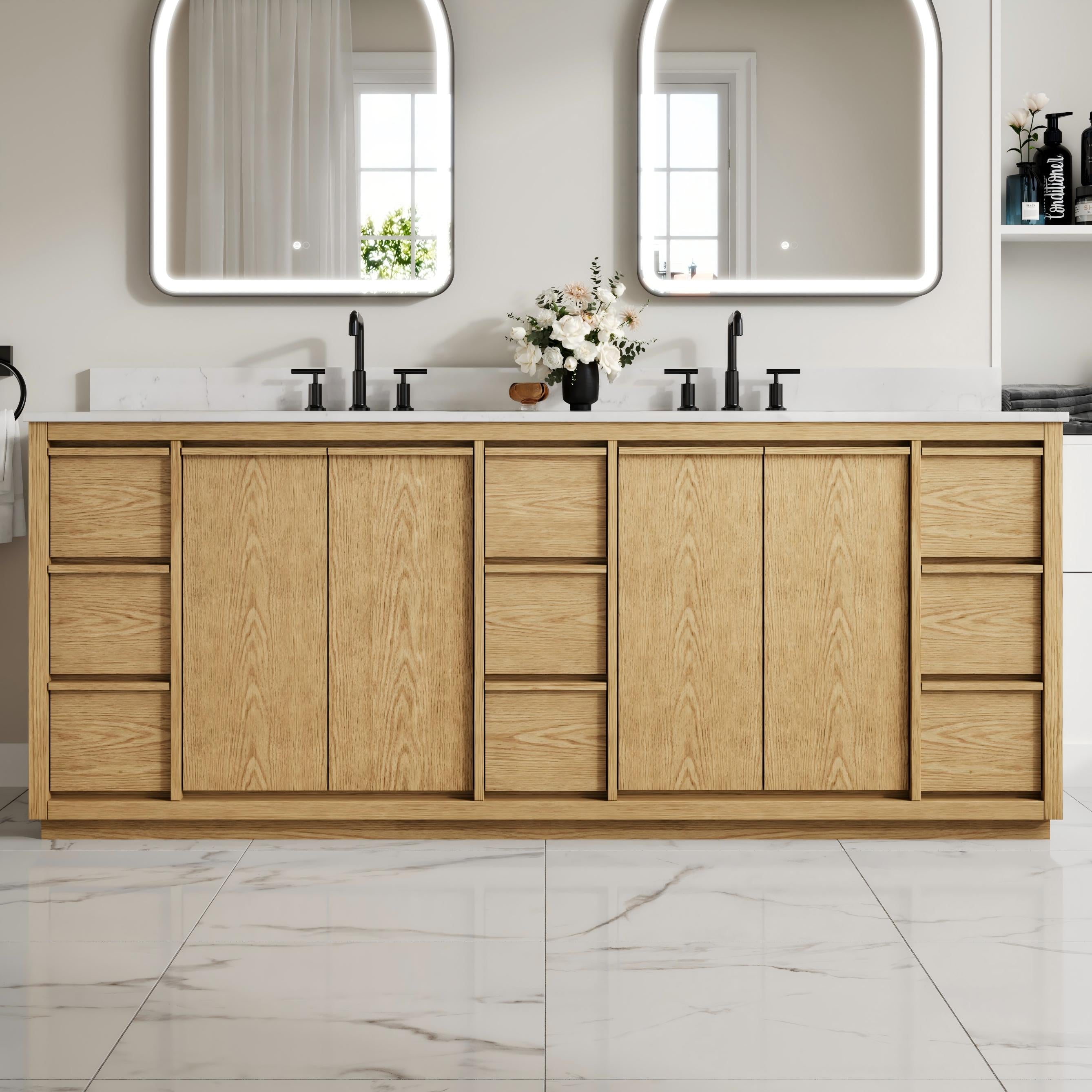
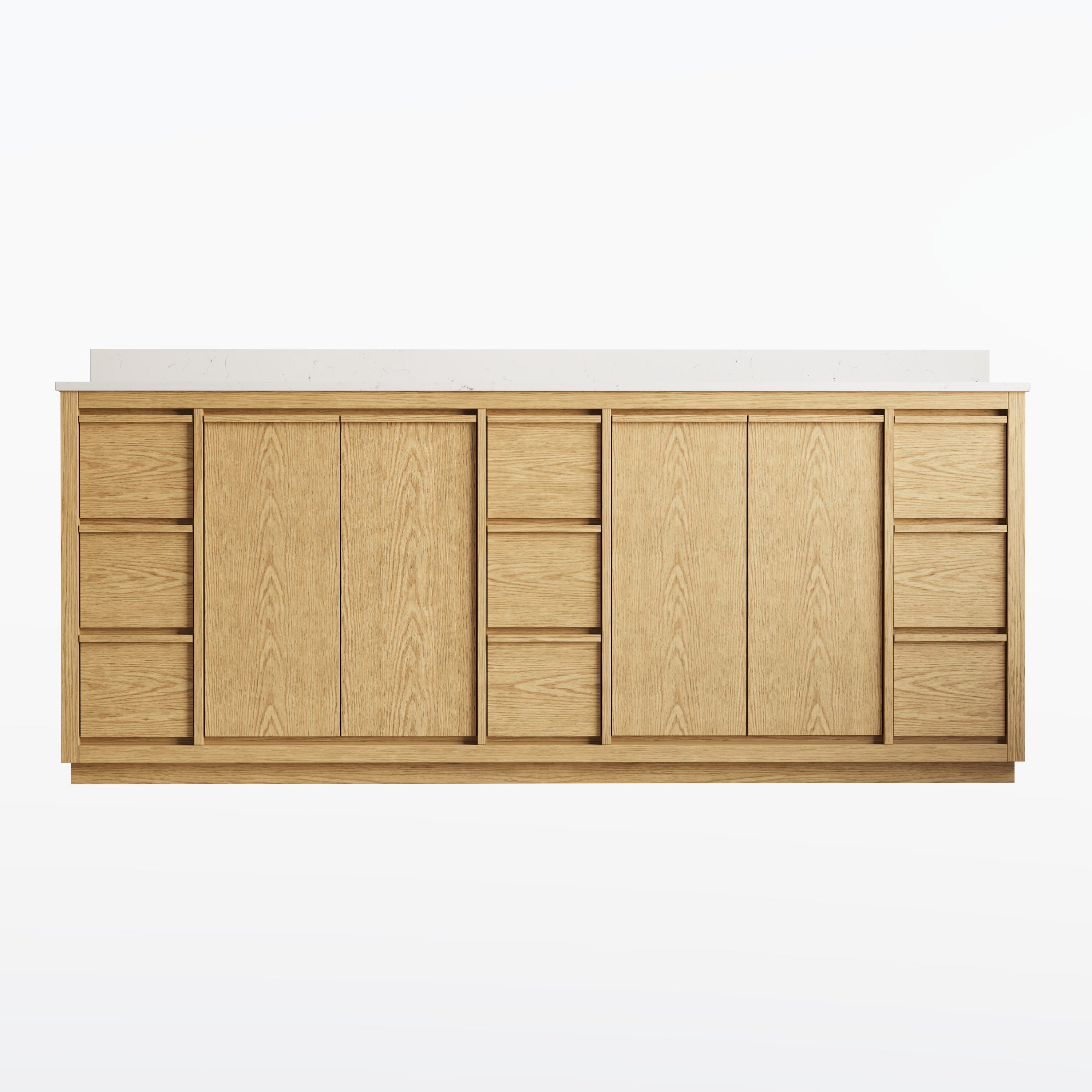
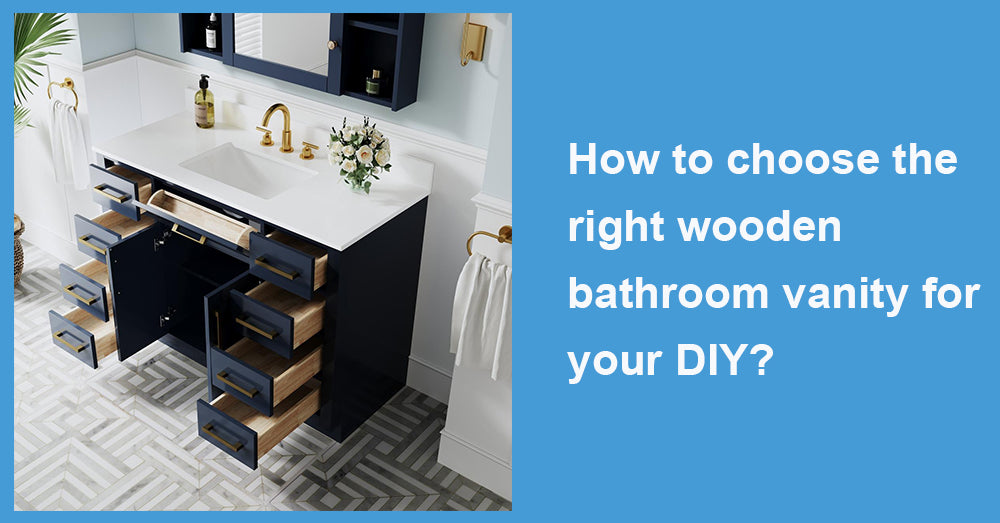
In recent years, the DIY (Do It Yourself) home renovation trend has continued to heat up, and bathroom renovation has become one of the most popular home upgrade projects. As consumers pay more attention to personalized design, environmentally friendly materials, and long-term value, wooden bathroom vanity is becoming the preferred choice for DIY home decoration in more and more households.
Market research data shows that the market size of bathroom vanities is expected to reach approximately 9.267 billion US dollars by 2025, and is projected to grow to 15.75 billion US dollars by 2033, with a compound annual growth rate (CAGR) of 7% from 2026 to 2033. Among them, wooden bathroom vanities are still the largest material segmentation market.
For homeowners planning a DIY bathroom remodel, choosing the right solid wood vanity impacts not just installation ease, but your daily experience for the next decade or more.

Why are more and more consumers choosing wooden bathroom vanities?
Despite its modest footprint, the bathroom is one of the most heavily used spaces in any home. According to global research data, residential applications represent nearly 75% of the bathroom vanity market, with wood materials capturing 34.9% of total revenue—making wood the most popular material choice today.
Industry insiders believe that wooden bathroom vanities have three major advantages:
Natural textures enhance spatial texture;
Easy to match with various decoration styles such as modern, American, farmhouse, minimalist, etc;
High maintainability and modifiability, very suitable for DIY upgrade projects.
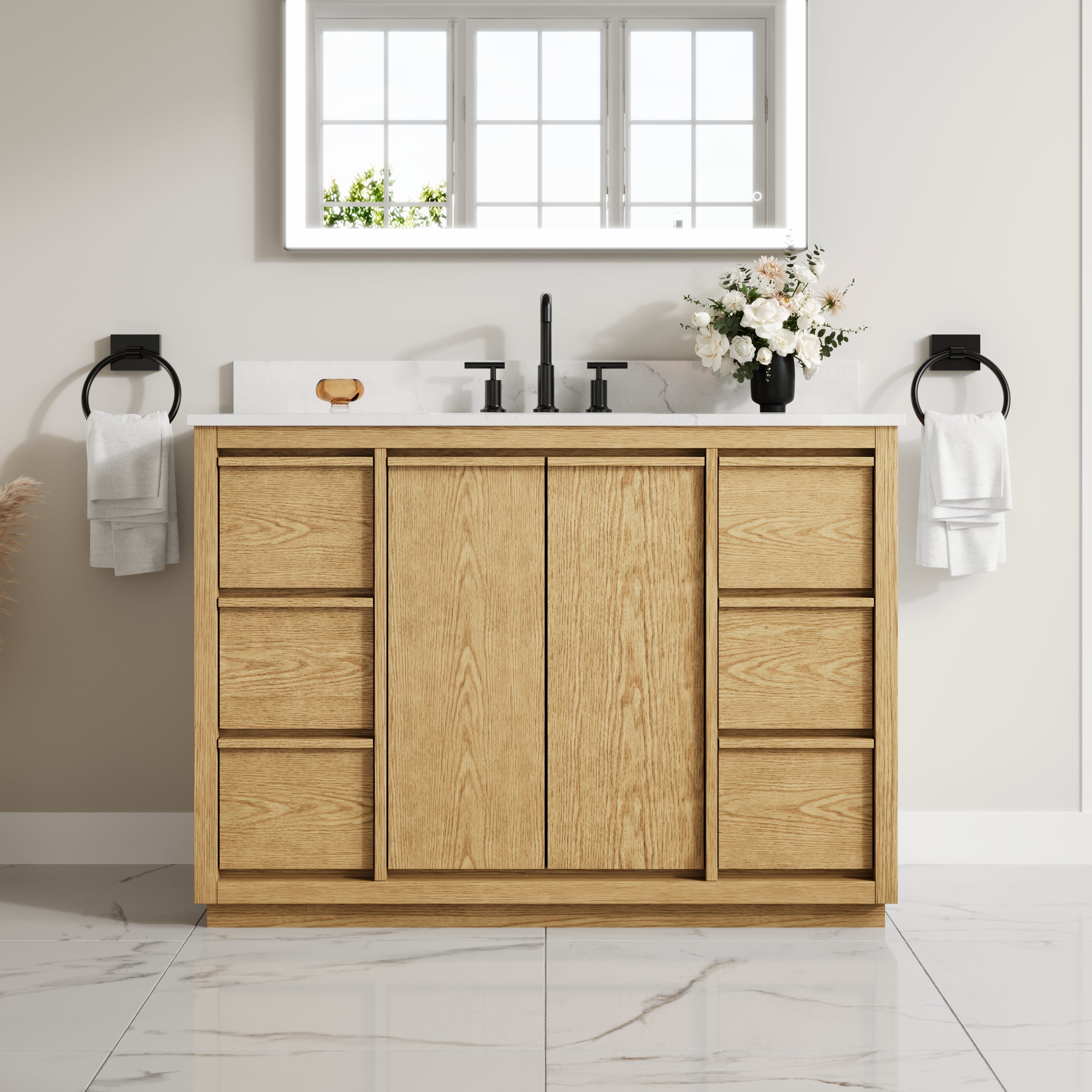
In addition, consumers are increasingly inclined to create bathrooms as spaces that combine practicality and comfort. The combination of natural wood grain, stone, tiles, and warm colored lighting has also become one of the current design trends.
What aspects should be focused on when choosing wooden bathroom vanities for DIY?
1. Prioritize selecting wood that is truly suitable for the bathroom environment
The bathroom is in a high-humidity environment for a long time, and not all woods are suitable as bathroom vanity materials.
Industry-wide recommendation:
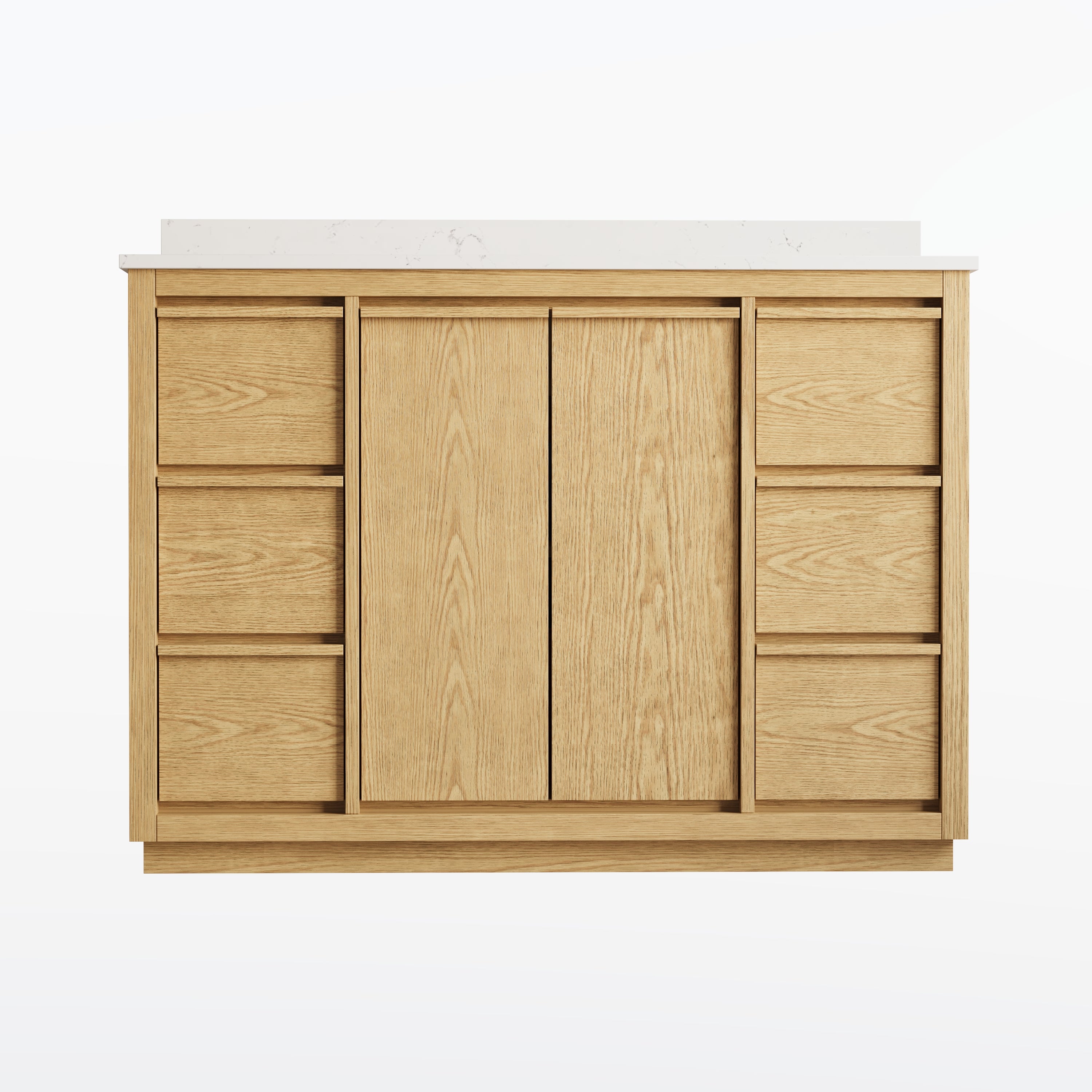
Solid Wood
Advantages:
high strength
Long service life
Can be renovated multiple times
fit:
Long-term residence
High-end decoration
Plywood
Advantages:
Excellent moisture resistance
Resistant to deformation
High cost-effectiveness
fit:
Most DIY households
MDF (medium density fiberboard)
Advantages:
low cost
Surface smoothness
Disadvantages:
Long-term exposure to moisture can easily cause expansion
More suitable for projects with a limited budget
For DIY users, solid wood frames and plywood vanities can usually balance durability, stability, and budget.
Choose the appropriate size based on the bathroom area.
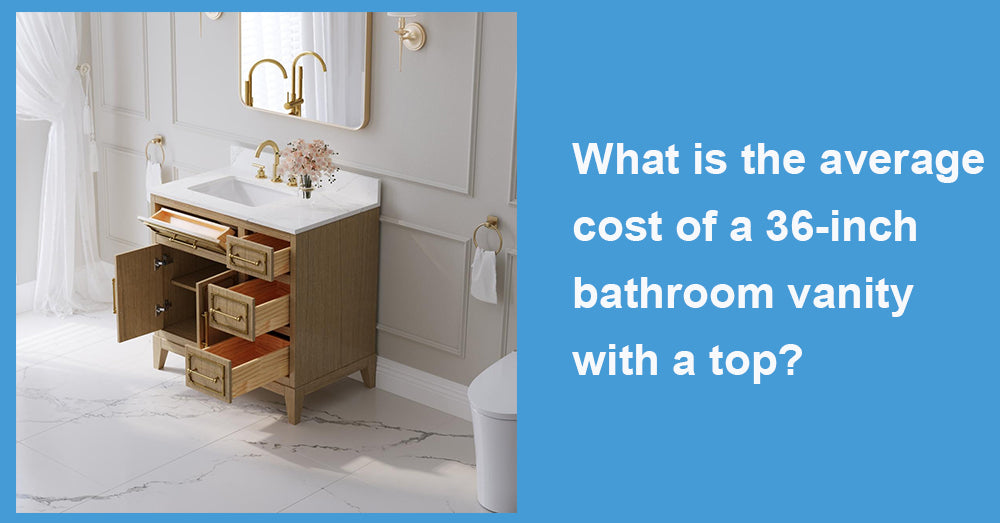
The vanity size should match the bathroom layout, fulfilling storage requirements while ensuring comfortable day-to-day use.
24-30 inches: Suitable for powder rooms or small-sized bathrooms, saving space.
30-36 inches: Suitable for a regular guest bathroom, balancing countertop and storage space.
48-60 inches: Suitable for the Master Bathroom, providing more ample storage and operating space.
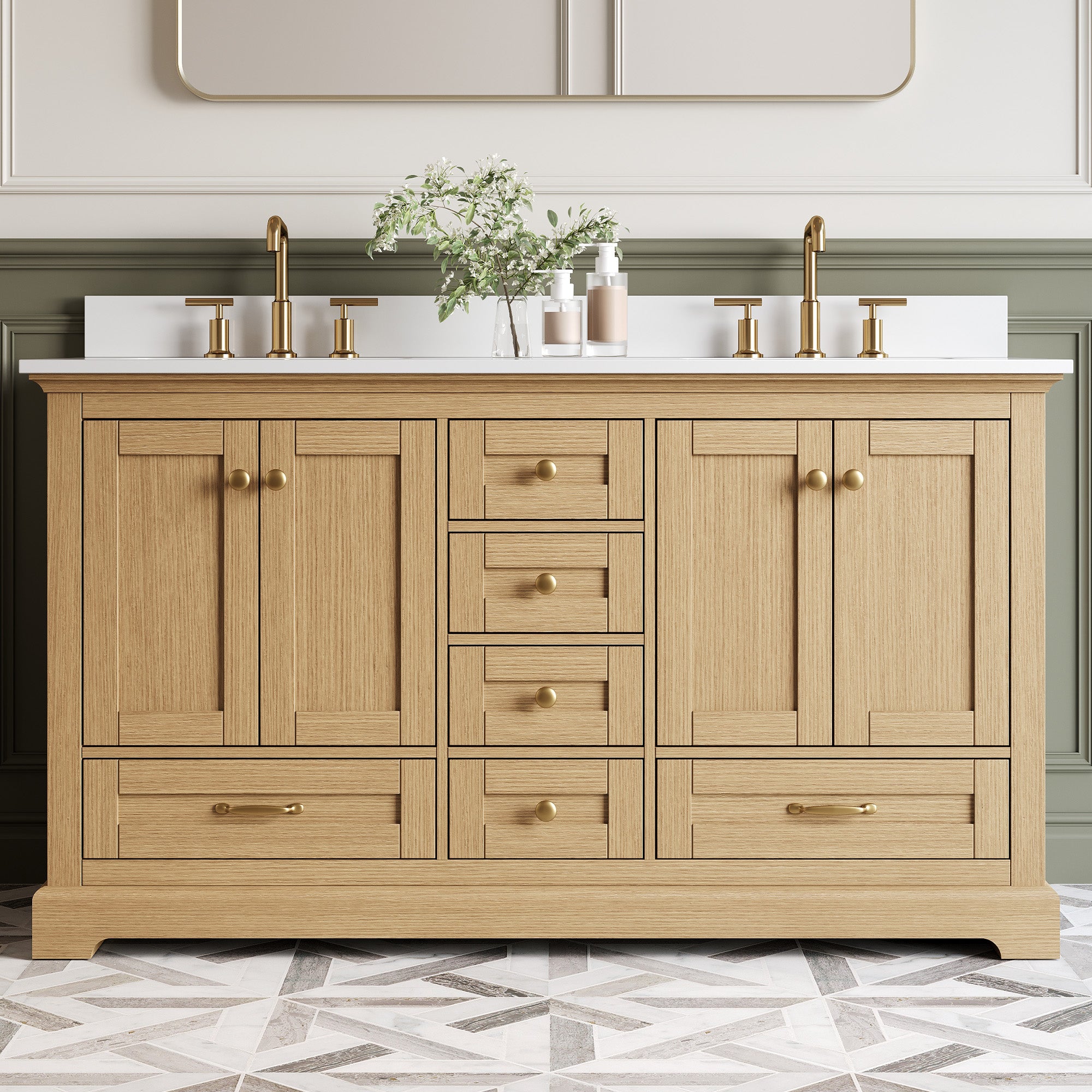
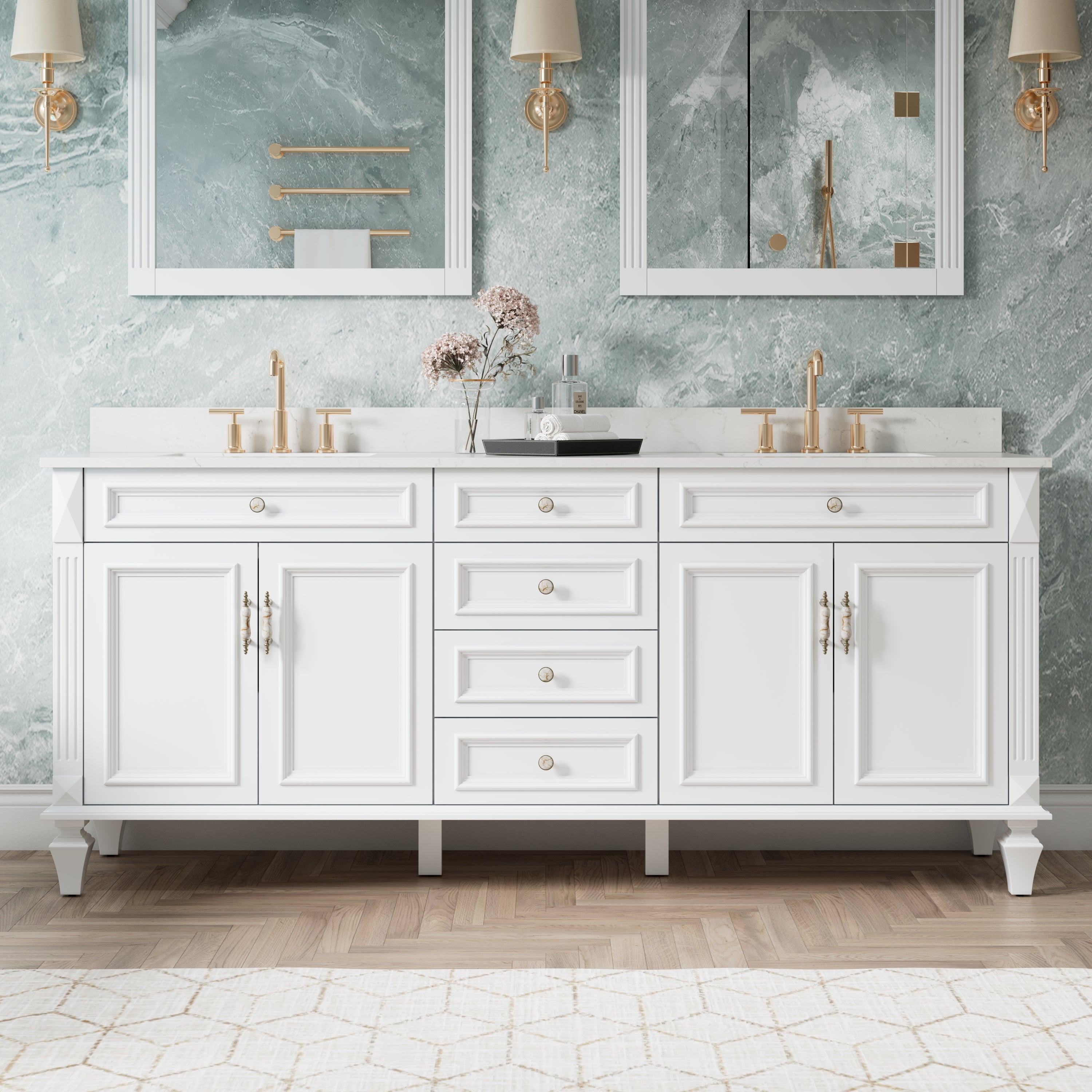
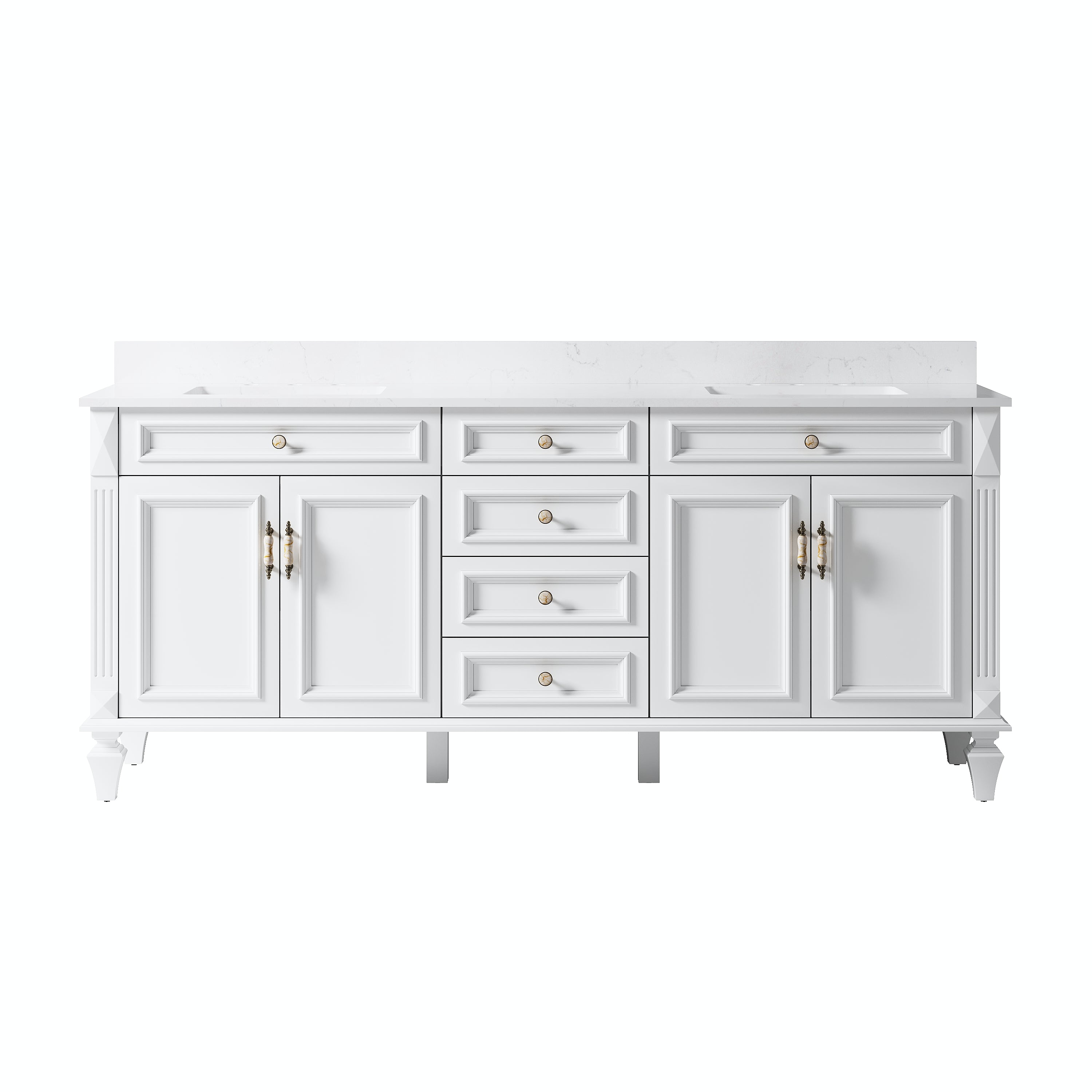
60-72 inches: Ideal for primary bathrooms; the double-sink setup allows multiple family members to use it simultaneously.
Before DIY installation, it is recommended to measure the bathroom size, door frame width, and drainage position in advance, and reserve about 1 inch installation allowance to ensure smooth installation.
3. Pay attention to the moisture-proof treatment process
Many consumers only focus on the wood itself, but overlook what truly determines its lifespan:
UV waterproof coating
Multi-layer edge sealing treatment
Moisture-proof primer
Design of vanity bottom off the ground
Industry data shows that high-quality moisture-proof treatment can significantly extend the service life of wooden bathroom vanities and reduce the risk of cracking, peeling, and deformation caused by moisture.
4. Choose a structure that is easy to DIY install
More and more brands are launching designs suitable for DIY users, such as:
Fully Assembled
Quick installation structure
Adjustable vanity legs
Pre-drilled installation holes
Soft Loss Buffer Door hinge
Compared to products that require complete on-site assembly, pre-assembled bathroom vanities typically reduce installation time and minimize installation errors.
5. Consider future storage needs
Modern bathroom vanities not only serve the function of washing, but also undertake a large amount of storage tasks.
Suggest choosing based on family needs:
Deep drawer design
adjustable partition
Double drawer layout
Open Storage Area
Storage space for hair dryer and electric toothbrush
In recent years, consumers have become increasingly concerned about the efficiency of bathroom storage, and multifunctional storage vanities have become an important driving force for market growth.
How to match the colors of wooden bathroom vanities?
The current trend in bathroom design emphasizes nature, warmth, and personalization.
Popular wood colors include:
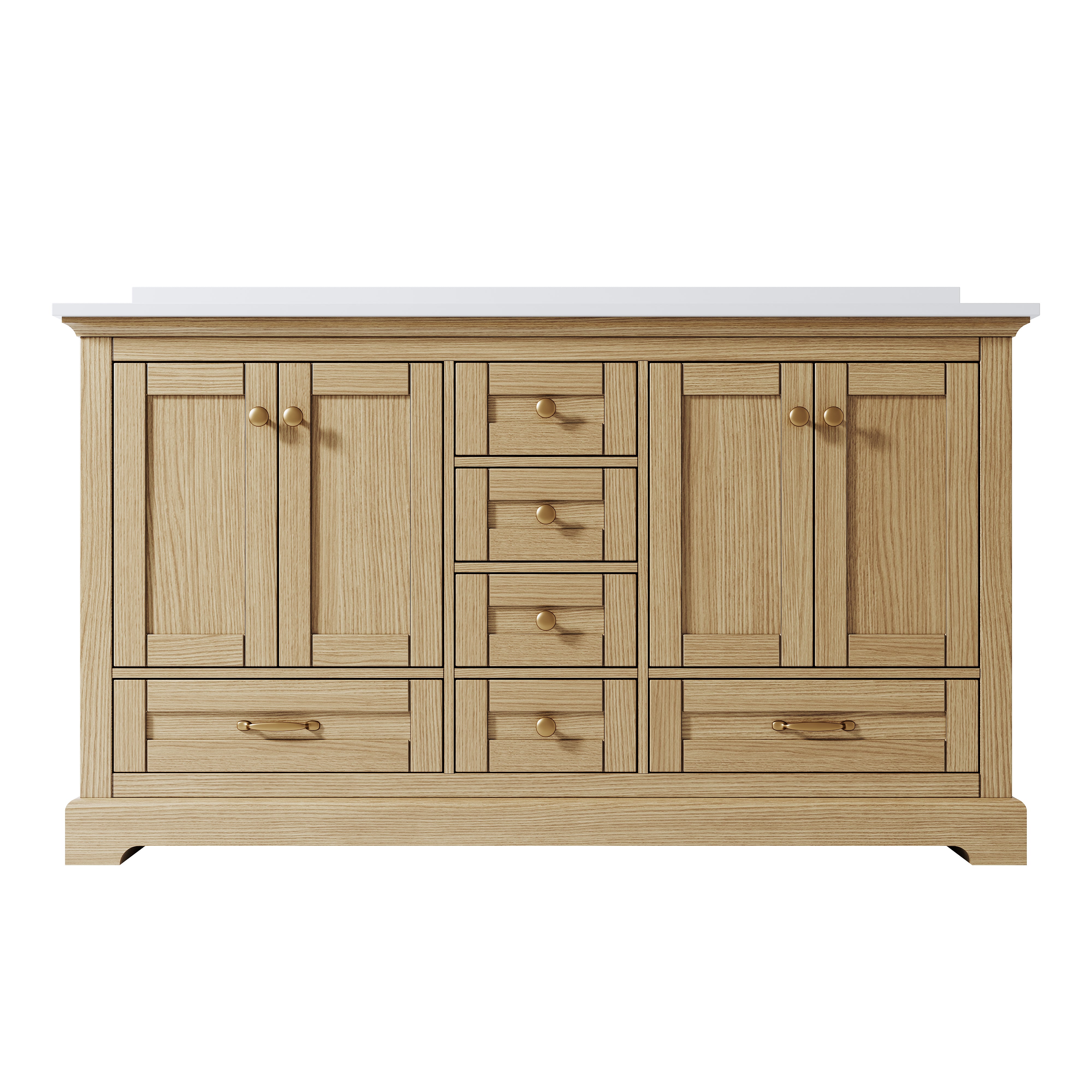
Natural Oak
fit:
Scandinavian
Japandi
Modern
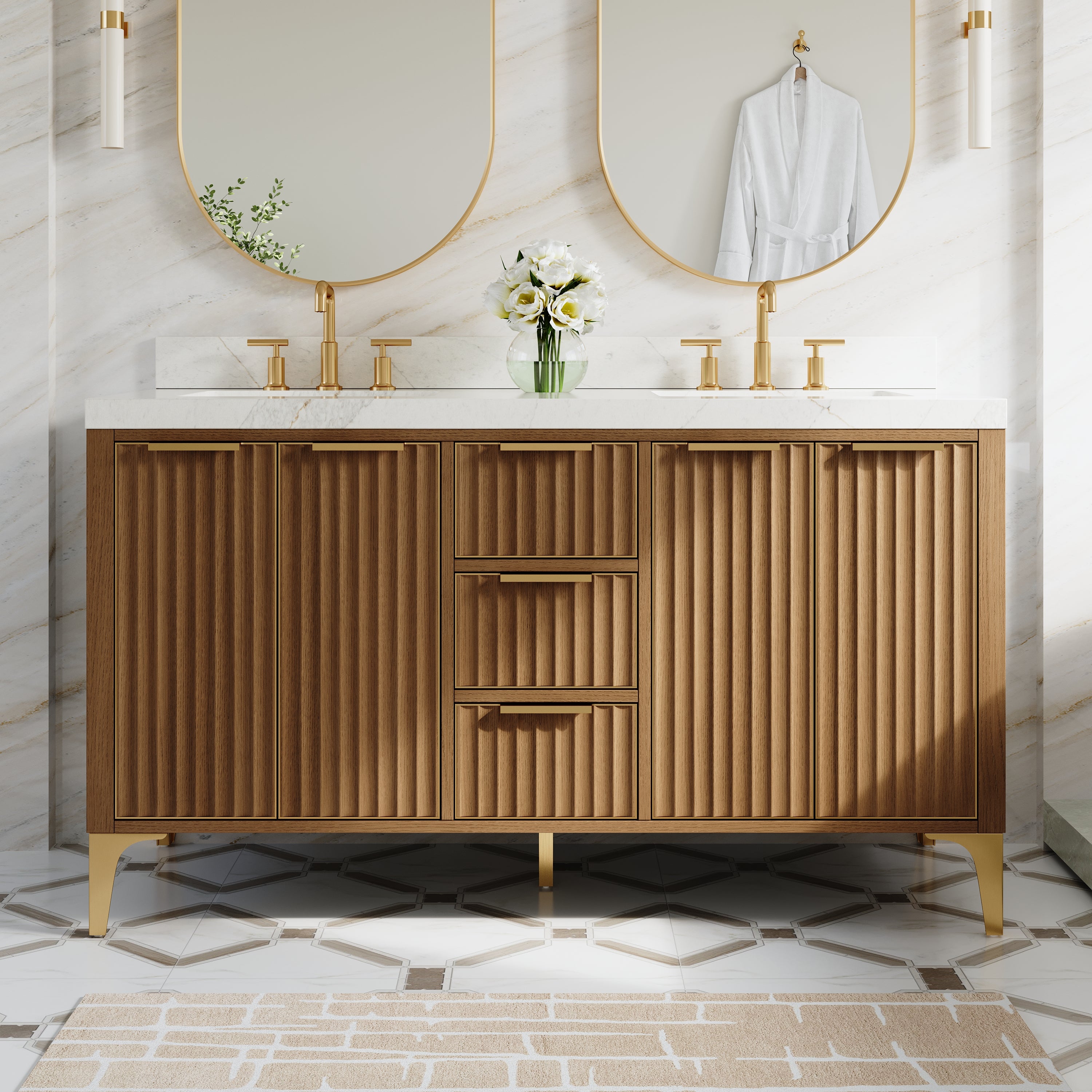
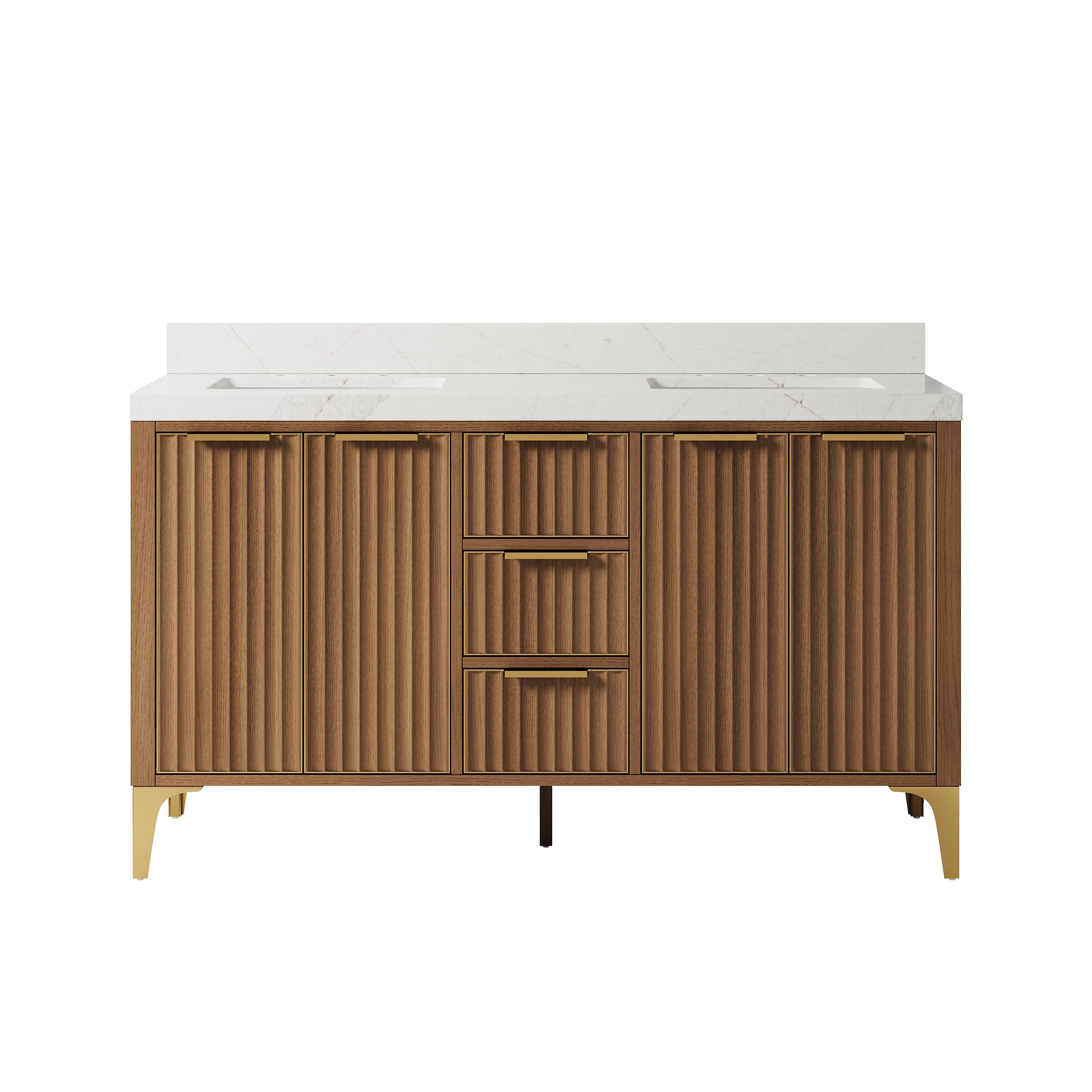
Walnut (walnut wood)
fit:
Luxury
Contemporary
White Oak
fit:
Coastal
Farmhouse
Matte Black+Wood (wood grain+black)
fit:
Industrial
Modern
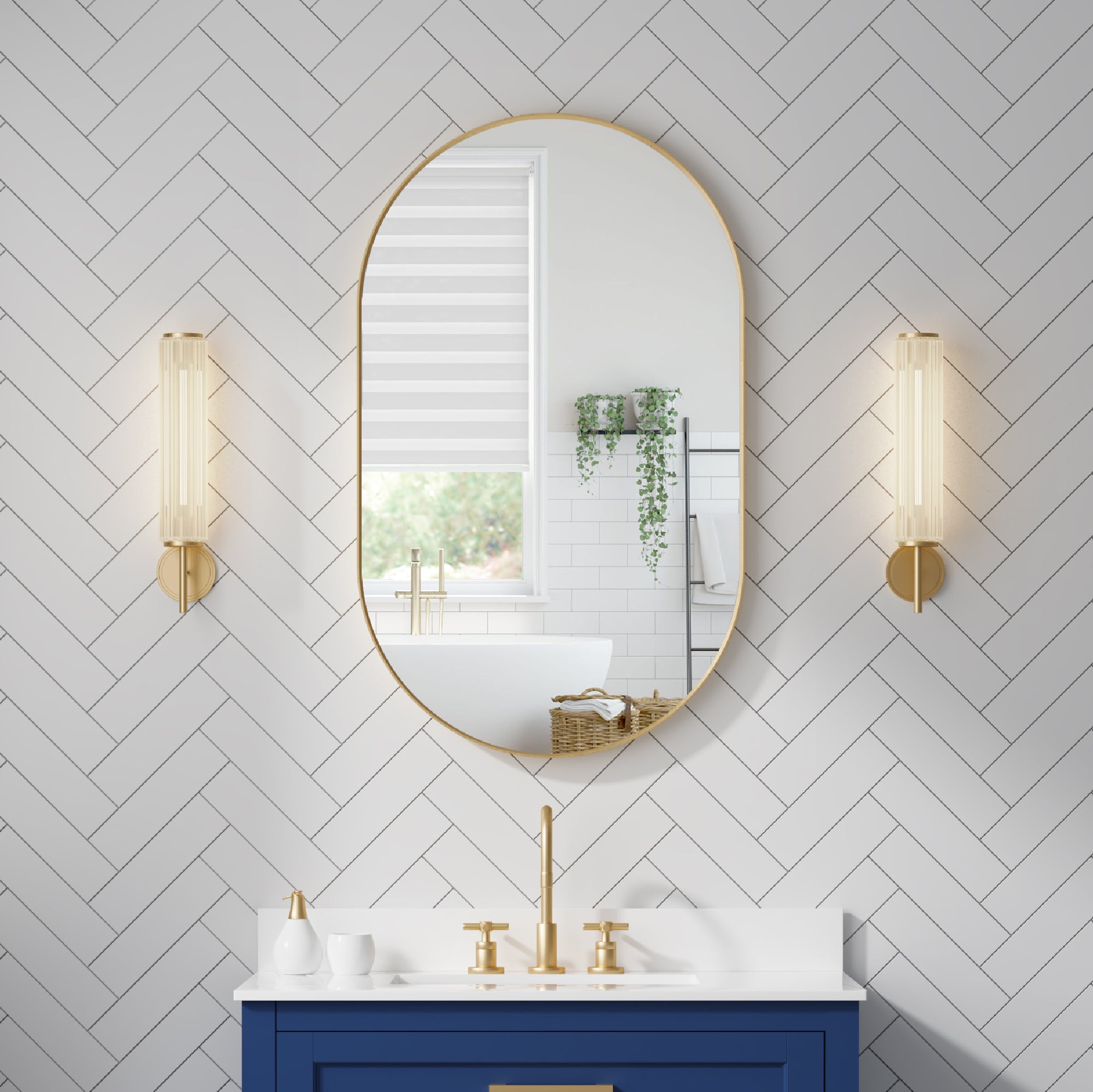
Designers often recommend pairing natural wood with light-toned stone, beige tiles, and warm lighting to add depth and dimension to the bathroom.
Don't ignore these details before DIY installation.
Before making a formal purchase, it is recommended to confirm the following:
Measure the clear width, depth, and height of the bathroom;
Confirm the location of water supply and drainage;
Check if the wall has load-bearing capacity;
Confirm whether it is necessary to replace the basin or faucet;
Check if the ground is level;
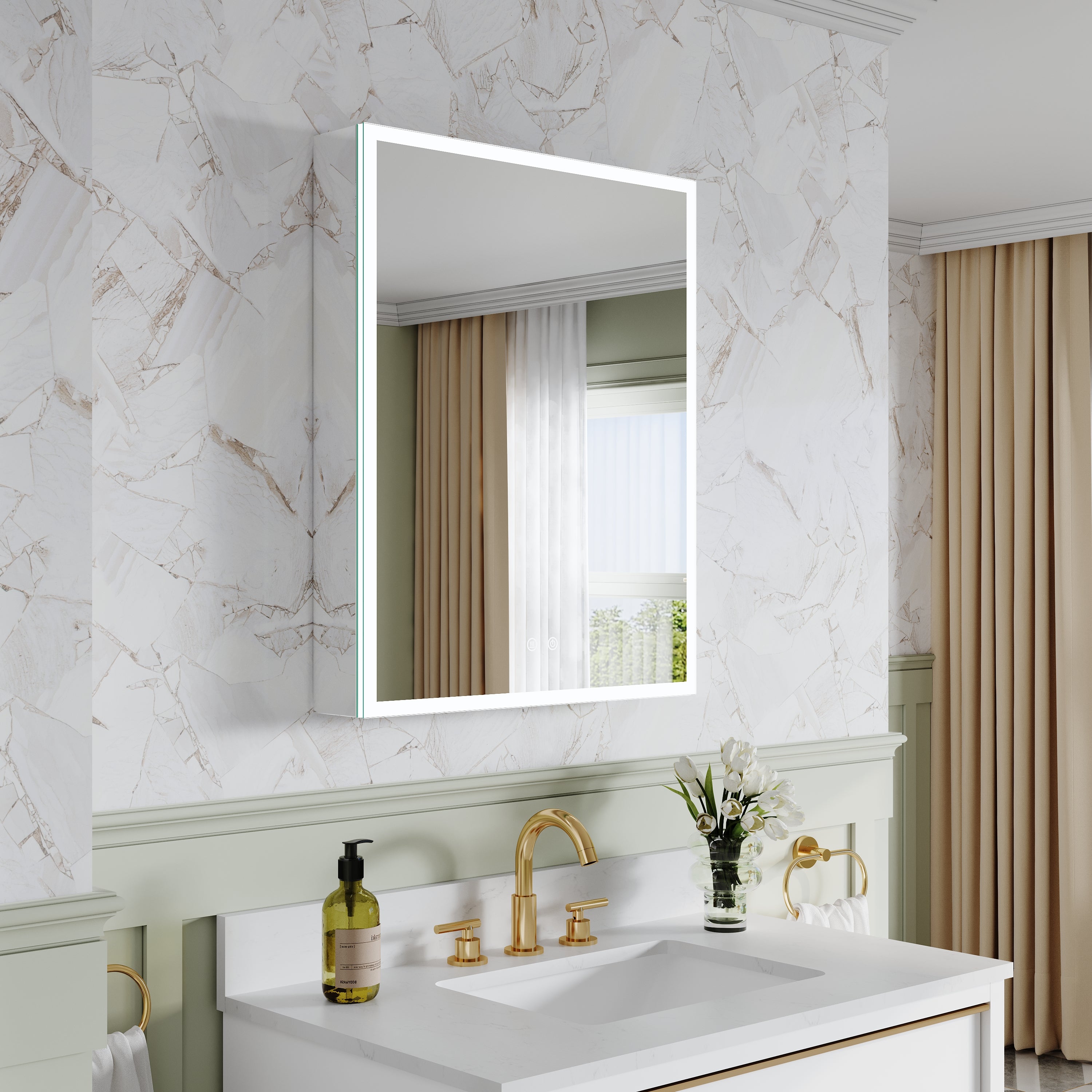
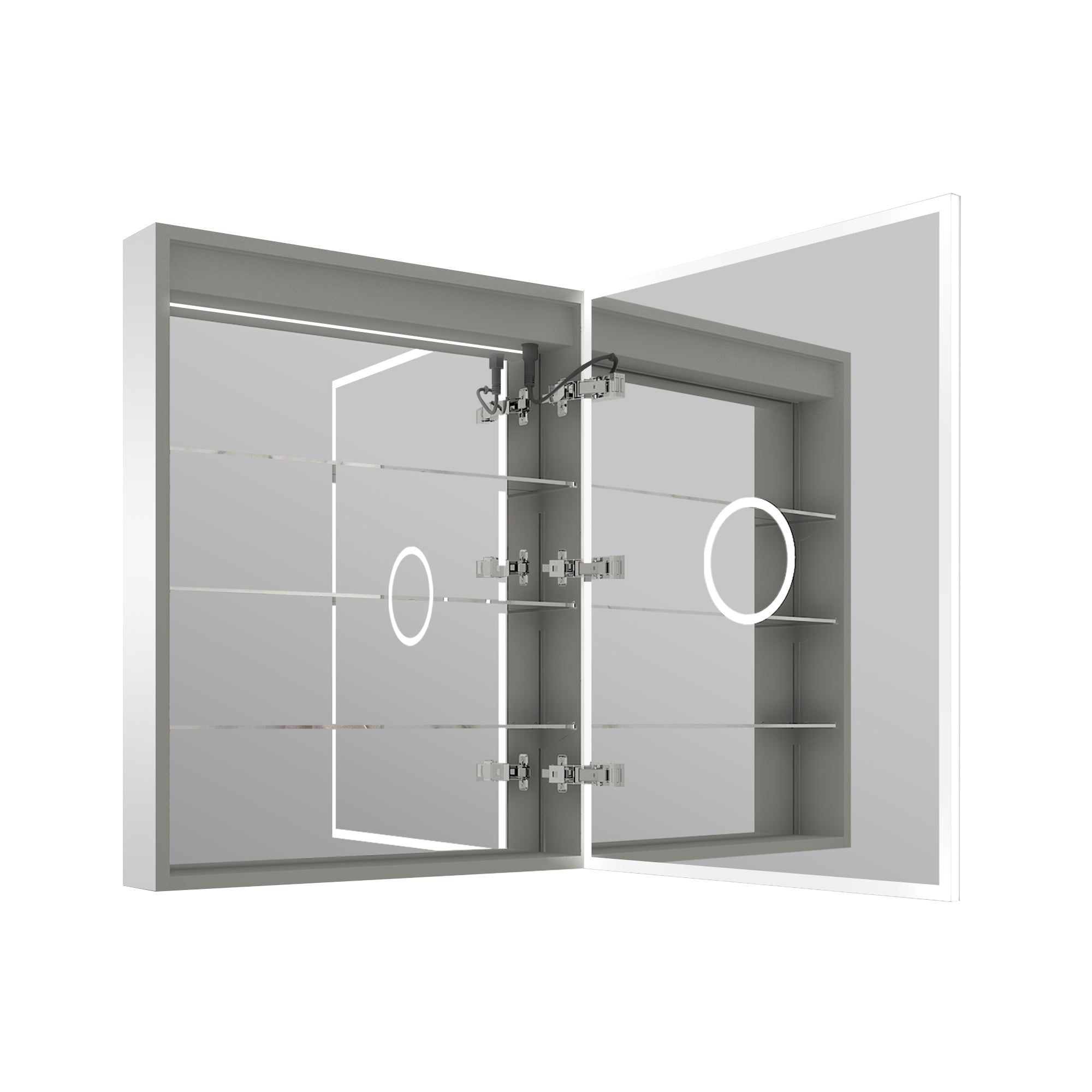
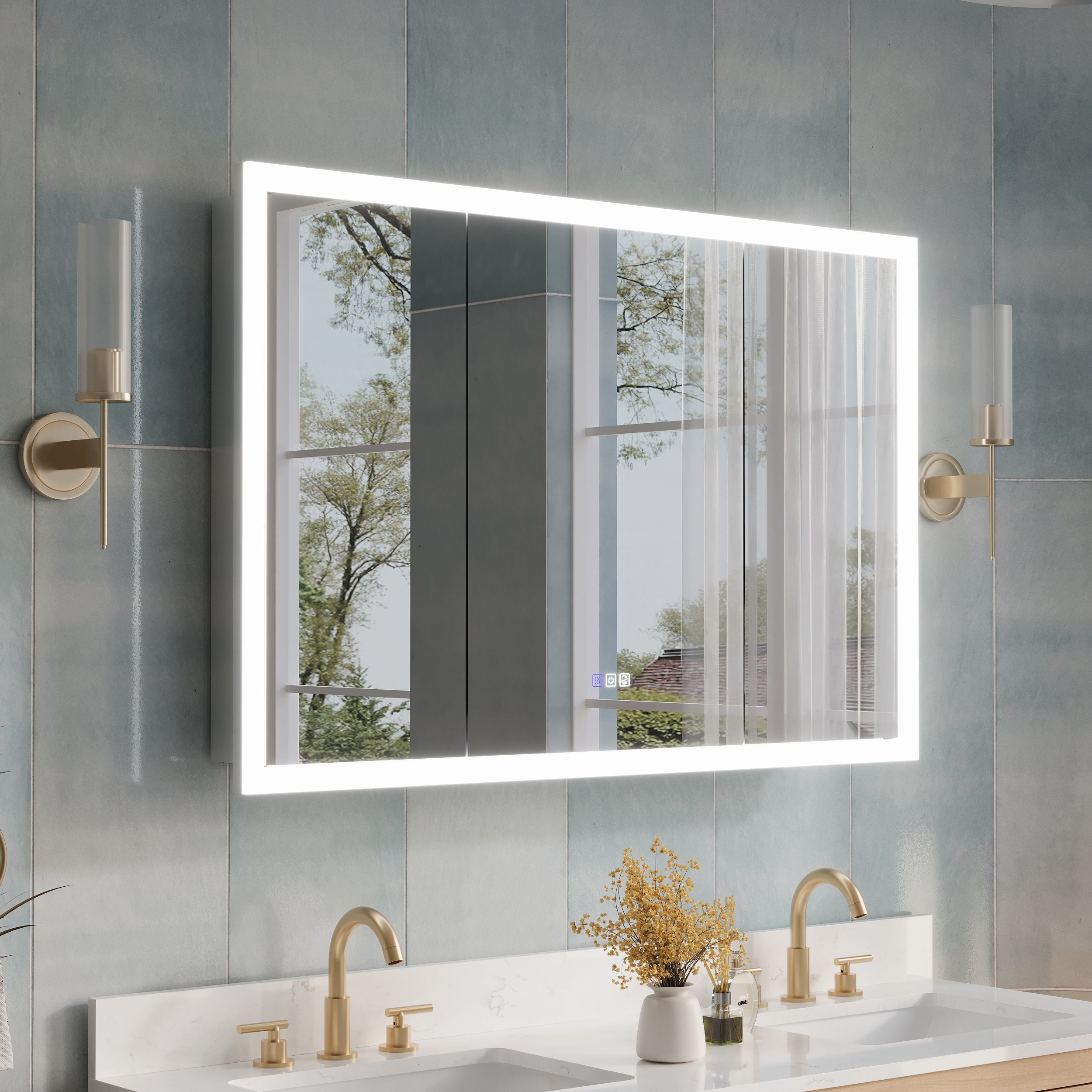
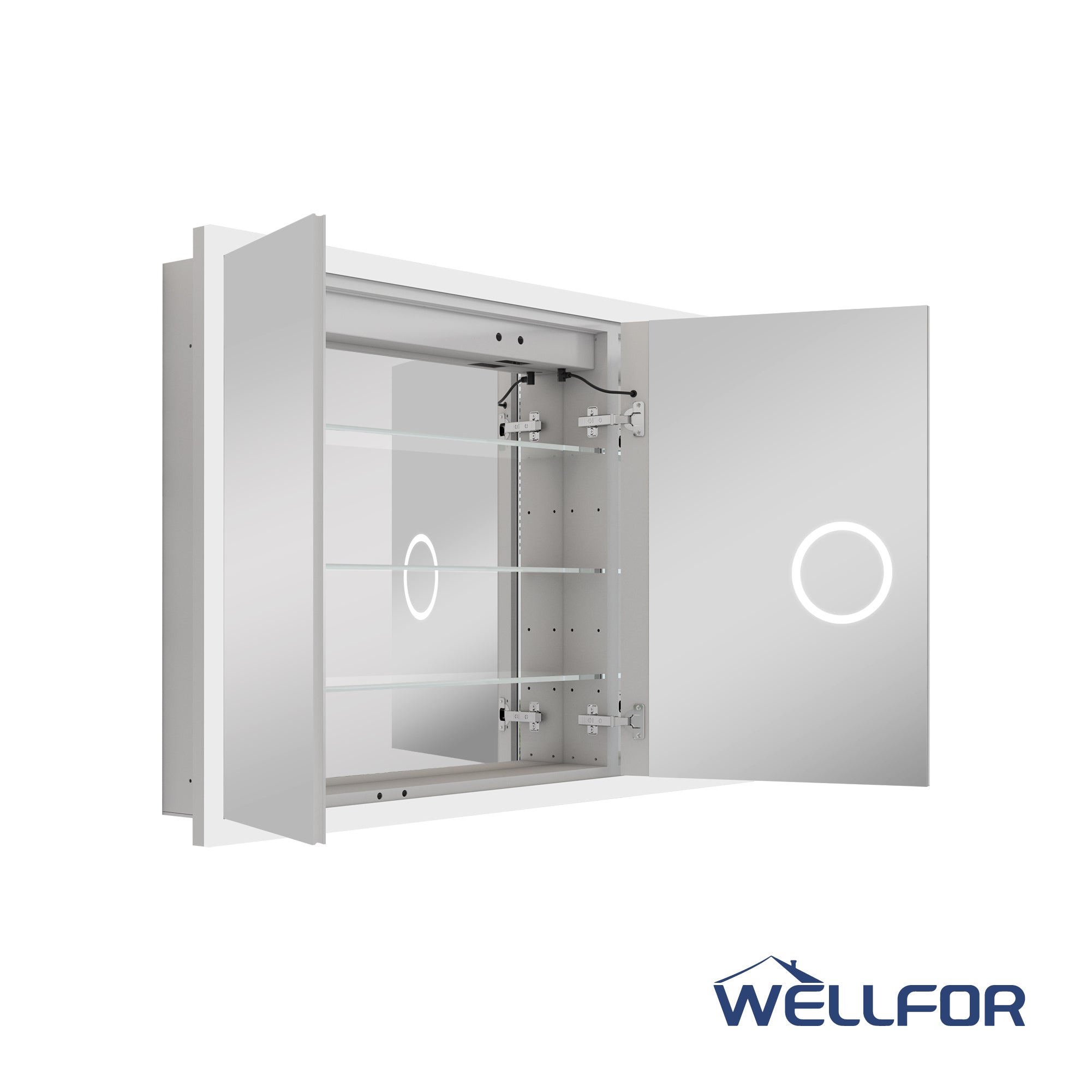
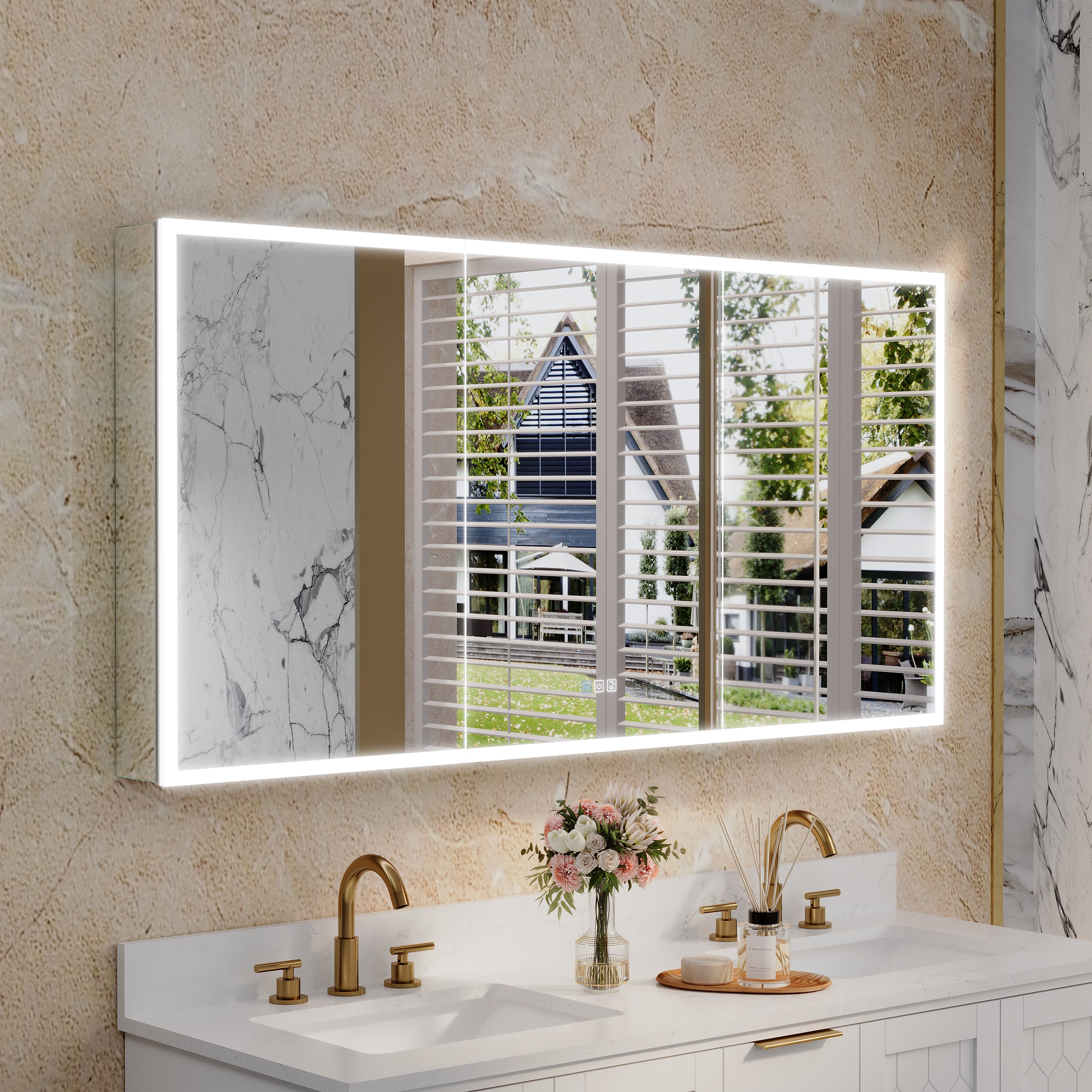
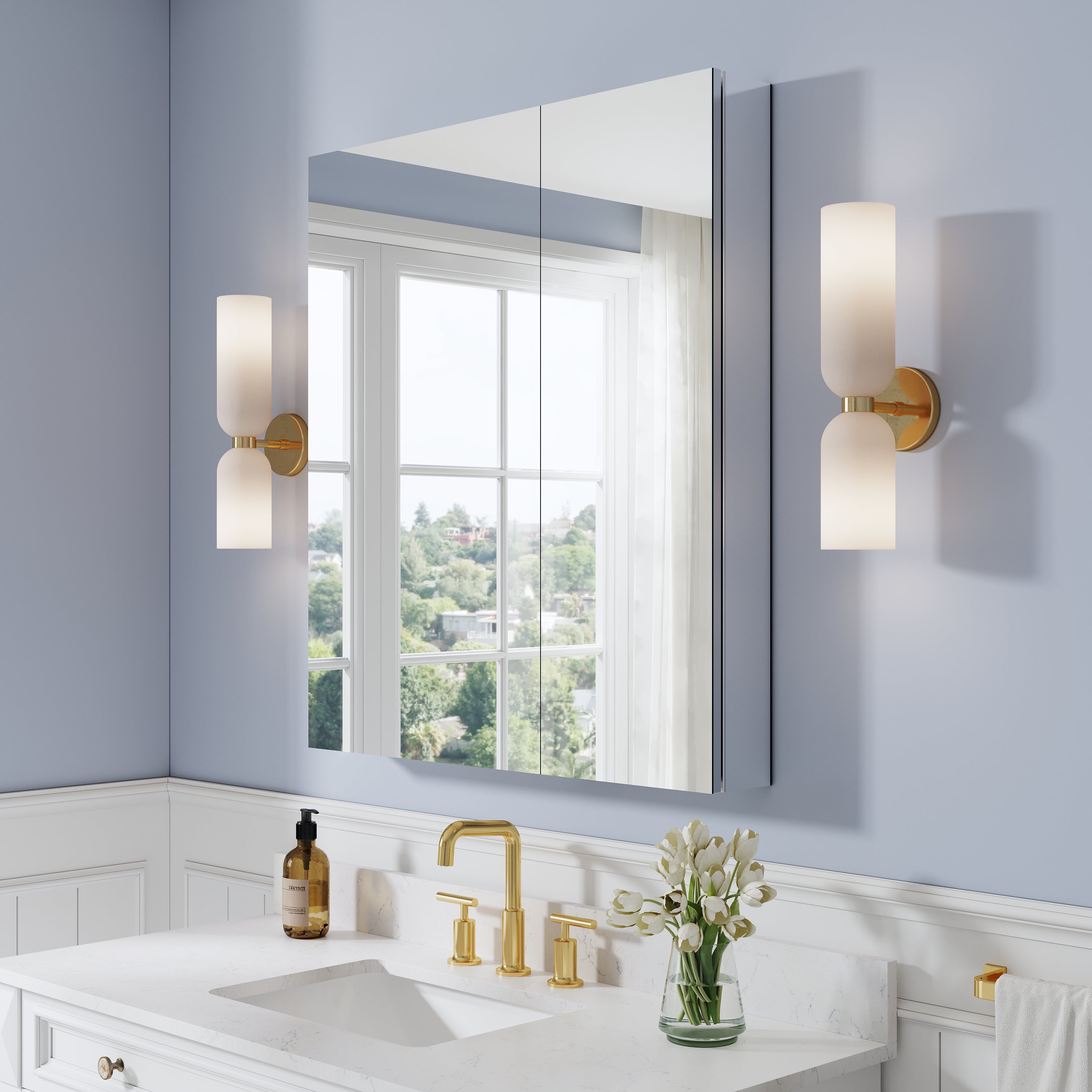
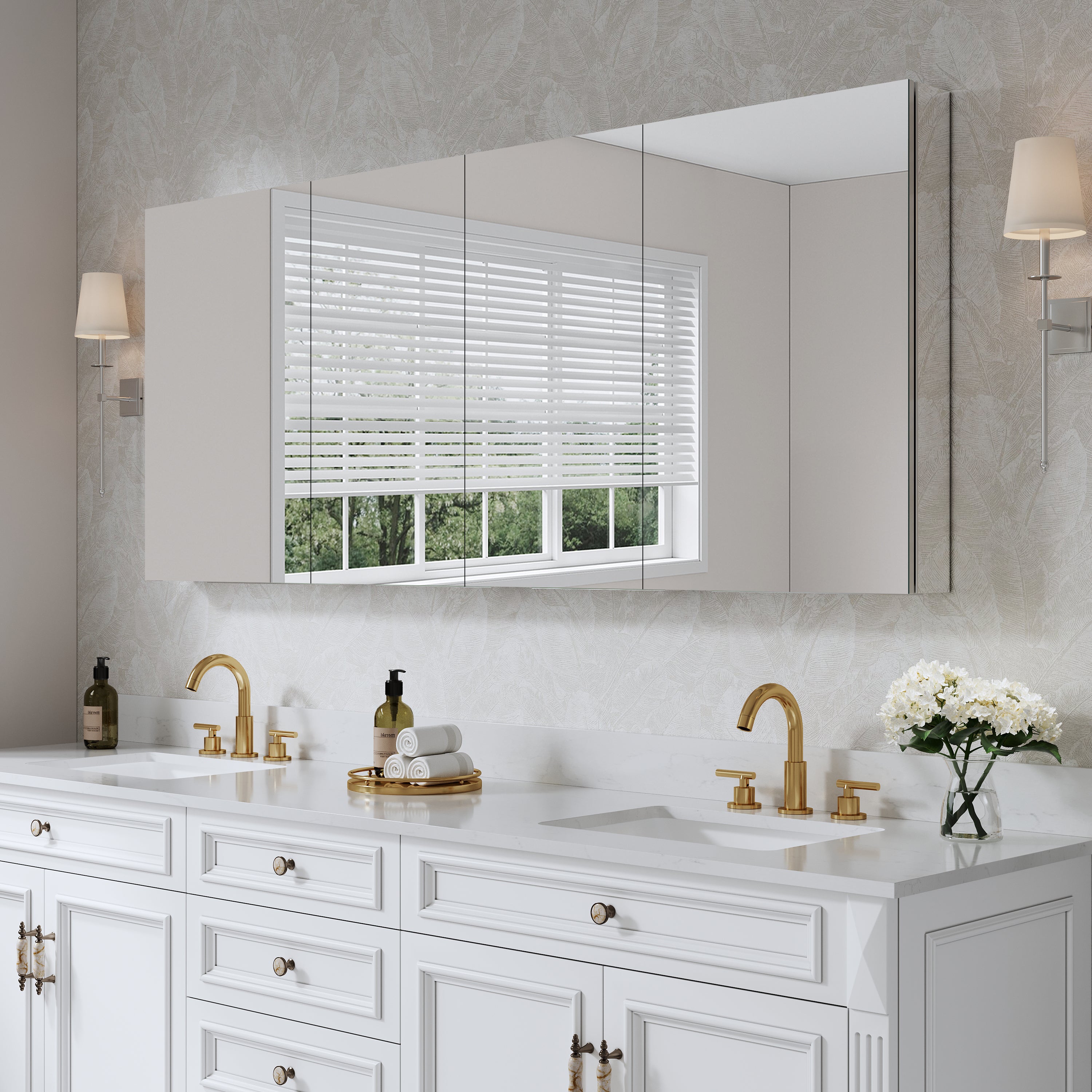
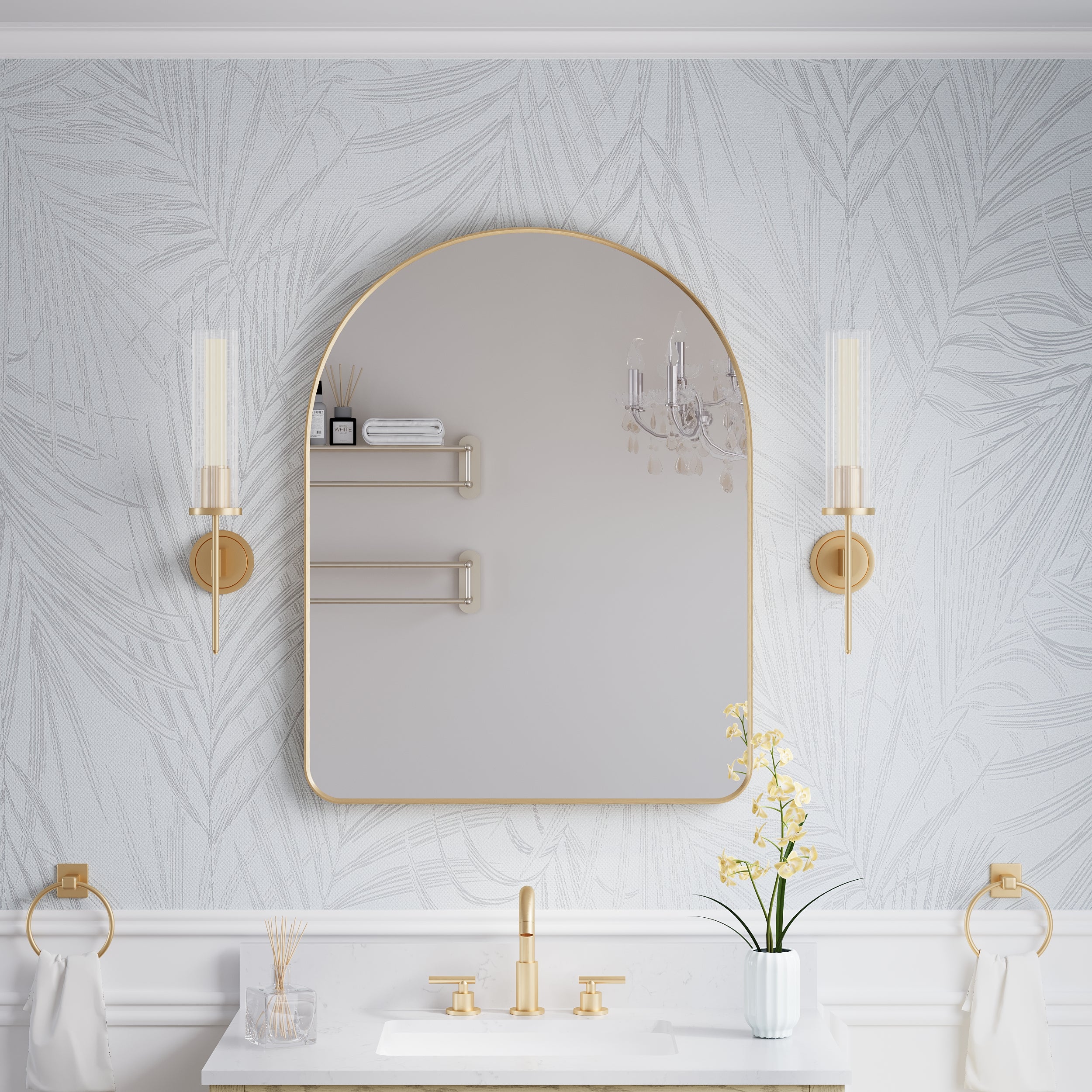
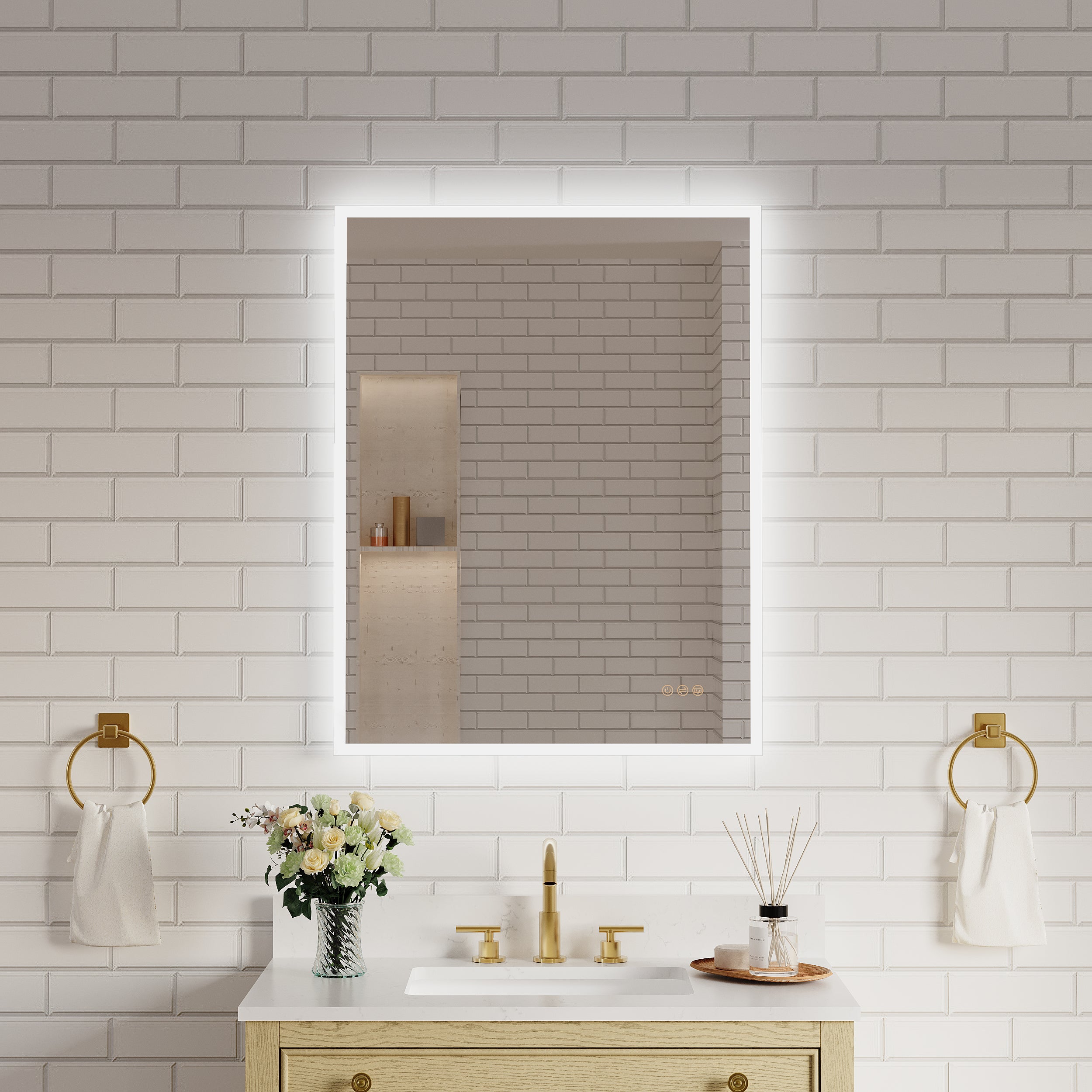
Reserve installation space for mirror vanities, power supplies, and lighting.
Adequate preliminary preparation can reduce rework and improve DIY construction efficiency.
Market outlook: Wooden bathroom vanities will continue to grow
As the demand for residential renovation continues to grow, the bathroom vanity market is expected to maintain stable expansion in the coming years. Industry data shows that the bathroom vanity market is expected to continue growing at an average annual compound growth rate of about 7%, while wooden products will still maintain the largest market share. Consumers' attention to environmentally friendly materials, durability, and high-quality home experiences will further promote the development of wooden bathroom vanities.
For families planning to carry out DIY bathroom renovation, choosing a wooden bathroom vanity that combines moisture resistance, durable structure, and easy installation design can not only improve construction efficiency, but also bring higher comfort and value to daily use for many years to come.












Leave a comment
This site is protected by hCaptcha and the hCaptcha Privacy Policy and Terms of Service apply.