














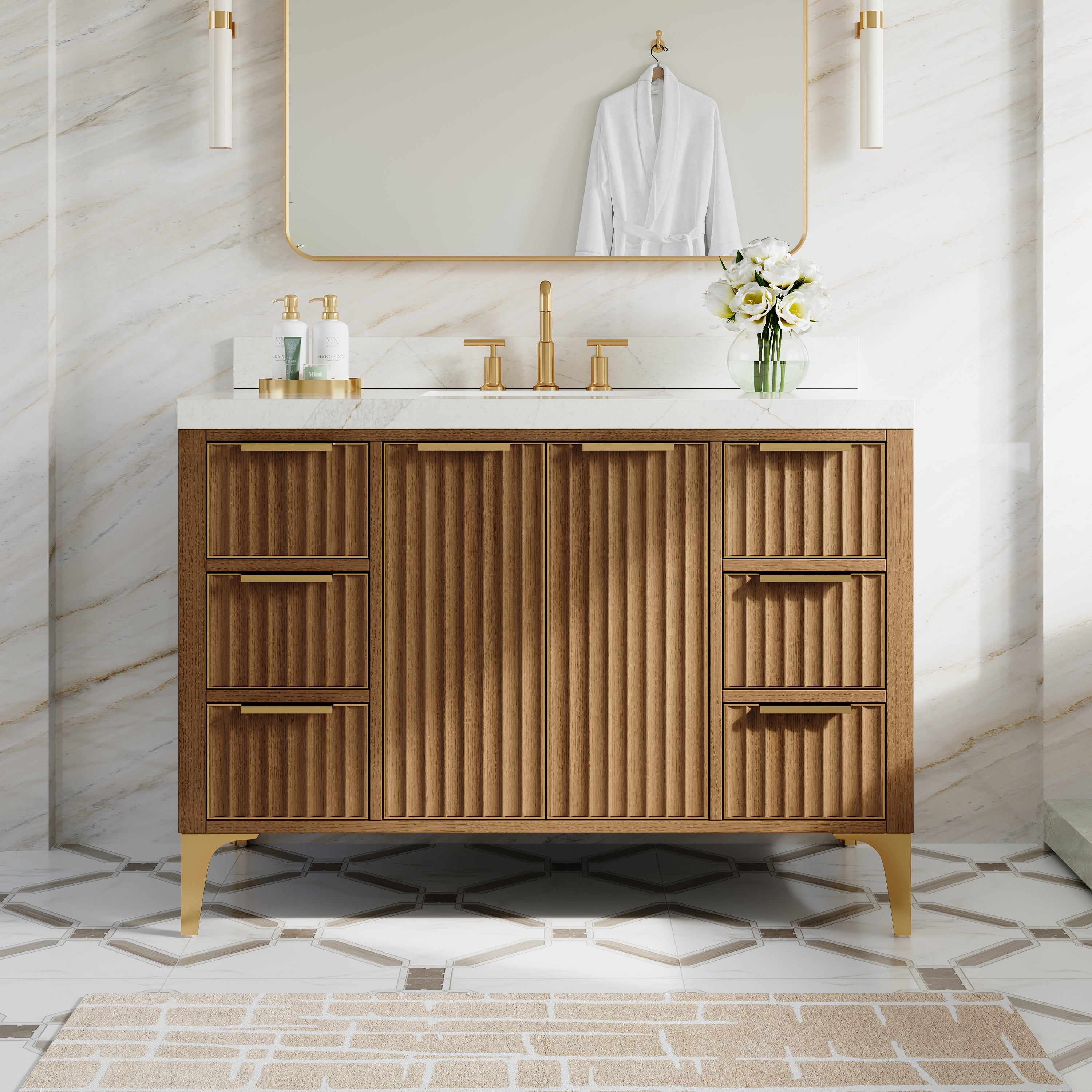


In bathroom space design, the bathroom mirror is not only a functional element but also an important core element that shapes the overall proportions, lighting effects, and spatial order. As demand for residential renovations and bathroom upgrades continues to grow, mirror products are gradually shifting from a single reflective surface to a comprehensive system that integrates lighting, anti-fog, storage, and intelligent control. Industry statistics show that in recent years, more than 70% of bathroom renovation projects have replaced or upgraded mirror systems, and in mid- to high-end renovation projects, this proportion exceeds 85%. How to choose the appropriate mirror surface based on spatial layout, size ratio, and functional requirements has become a key issue in current bathroom design.
1. First, let's take a look at the layout: single basin or double basin?
Before choosing a mirror, determine the structure of the washing area.
Single basin layout
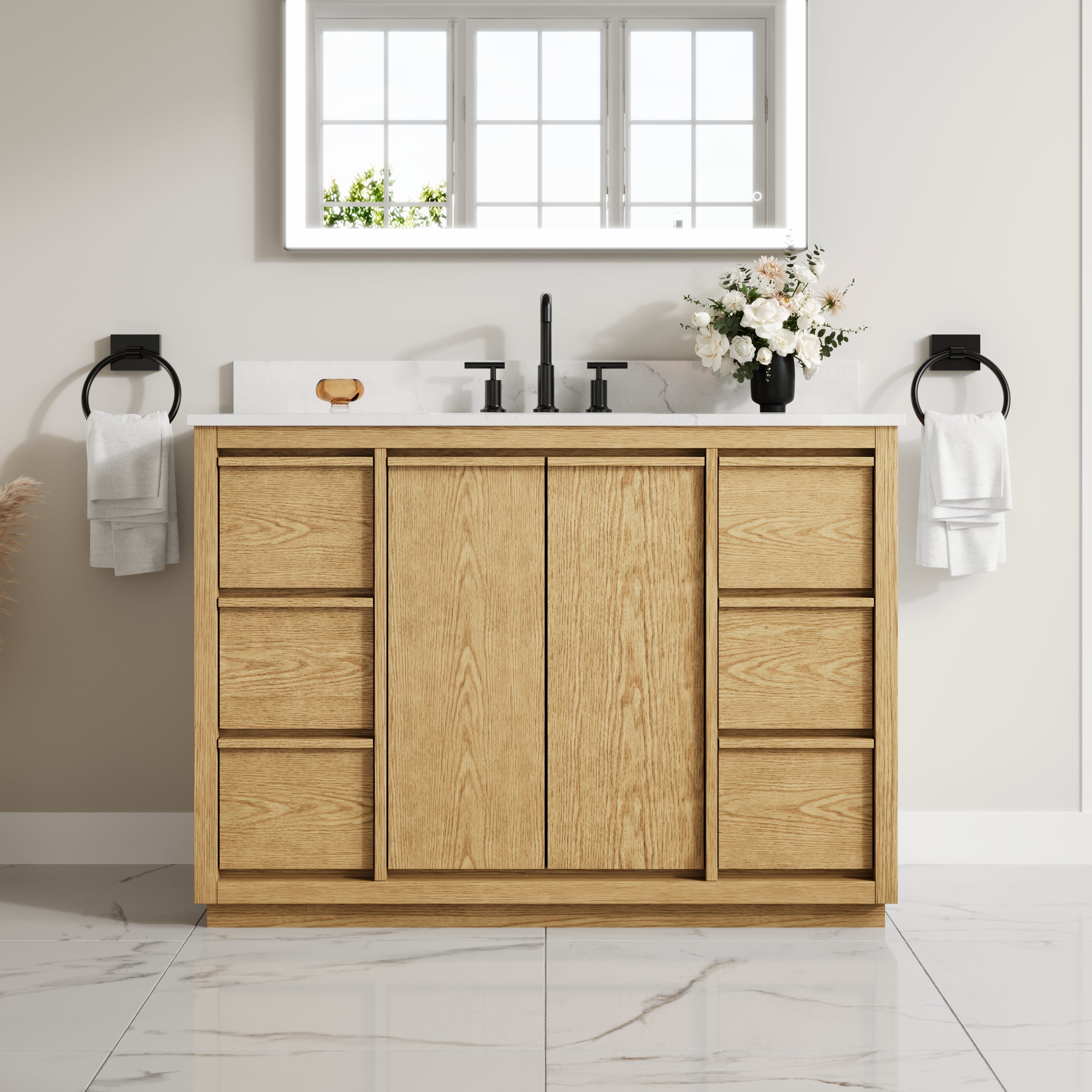
Common basin widths are 24 inches, 30 inches, 36 inches, or 48 inches. Industry design recommendations suggest keeping the mirror width the same as, or slightly smaller than, the basin by 2-4 inches to create a visual finishing effect. For example:
30-inch basin, mirror recommended 26-30 inch
36-inch basin, mirror recommended 32-36 inch
The mirror height is usually coordinated between 30 and 36 inches. If the floor height is around 8 feet, a higher mirror height can be chosen to enhance the longitudinal extension.
Double basin layout
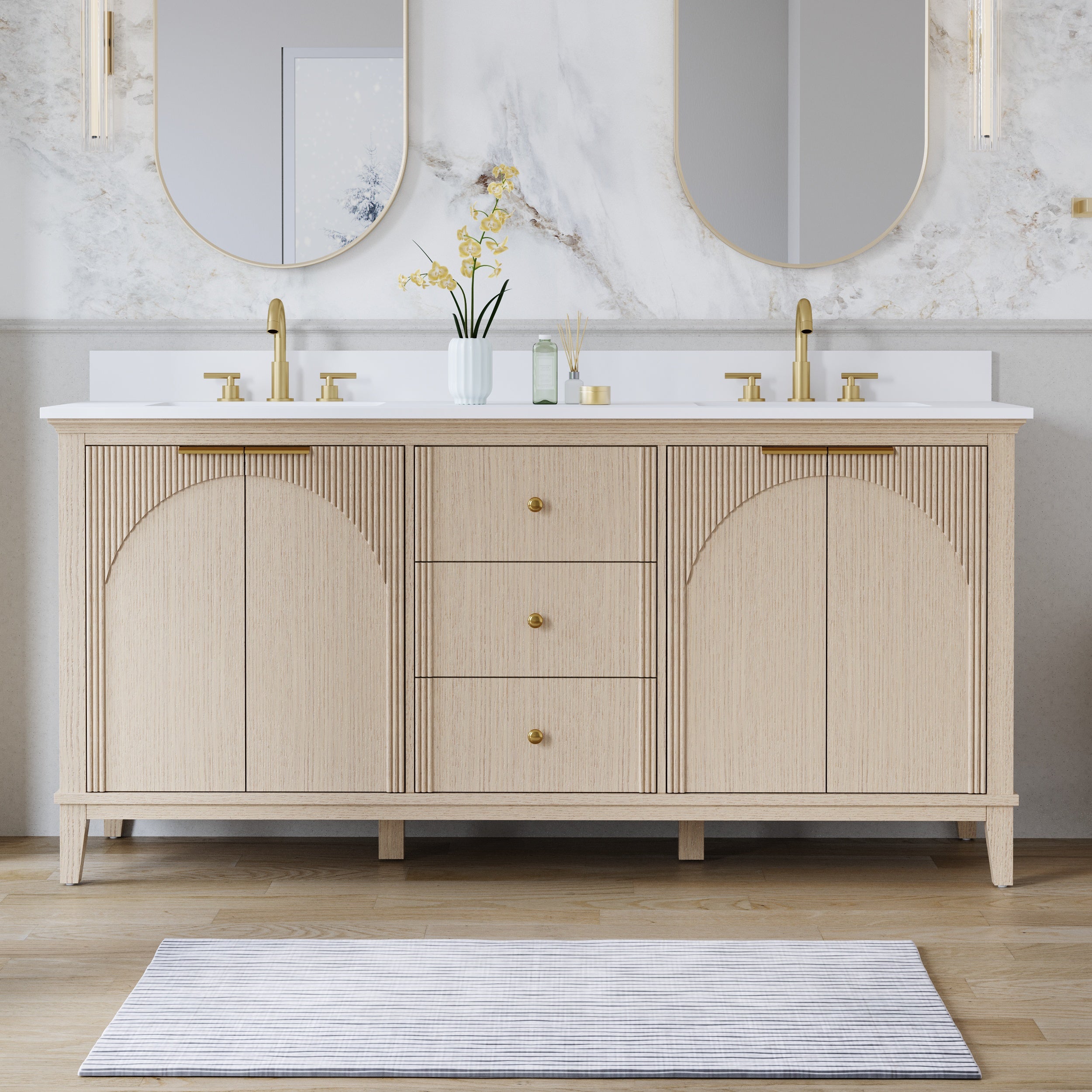
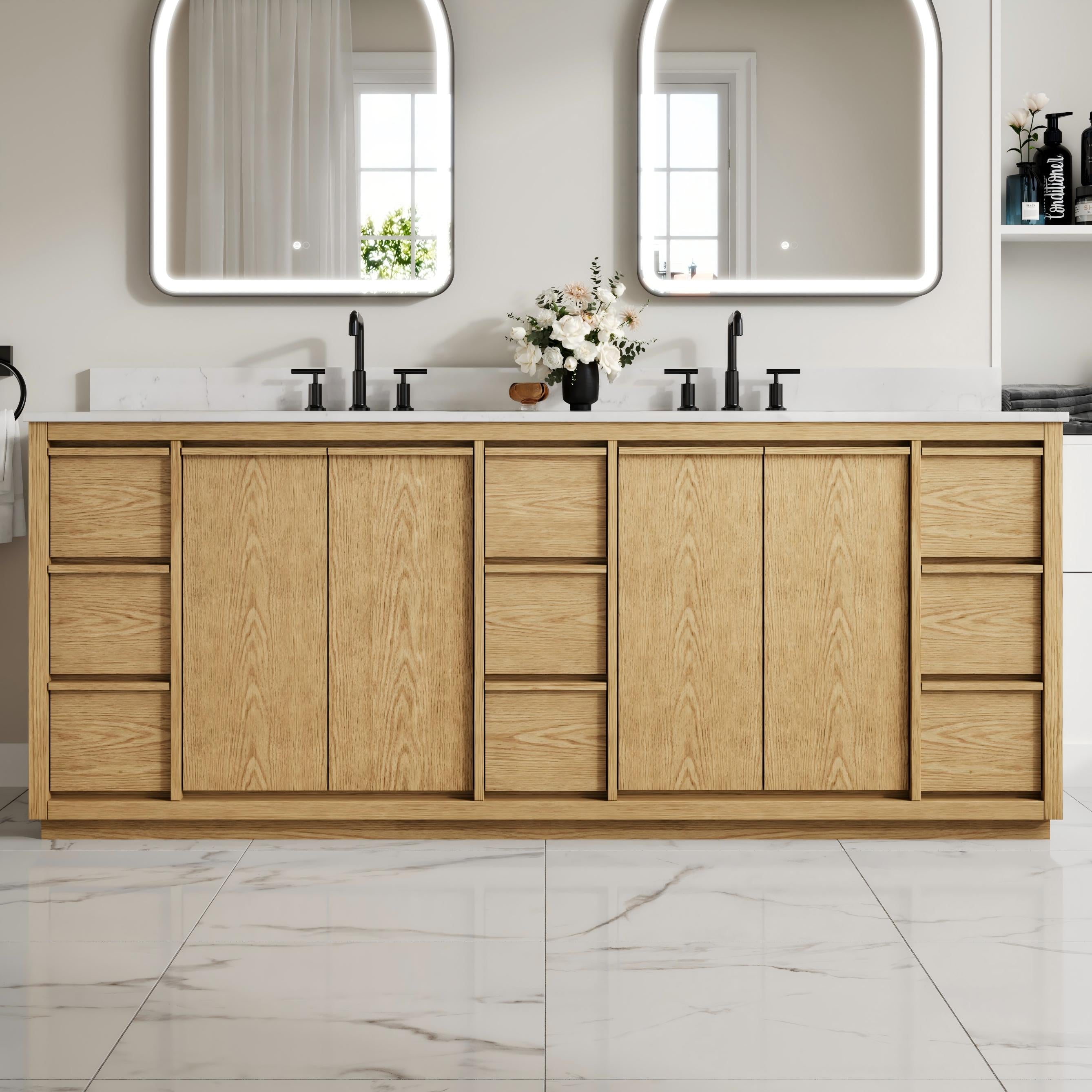
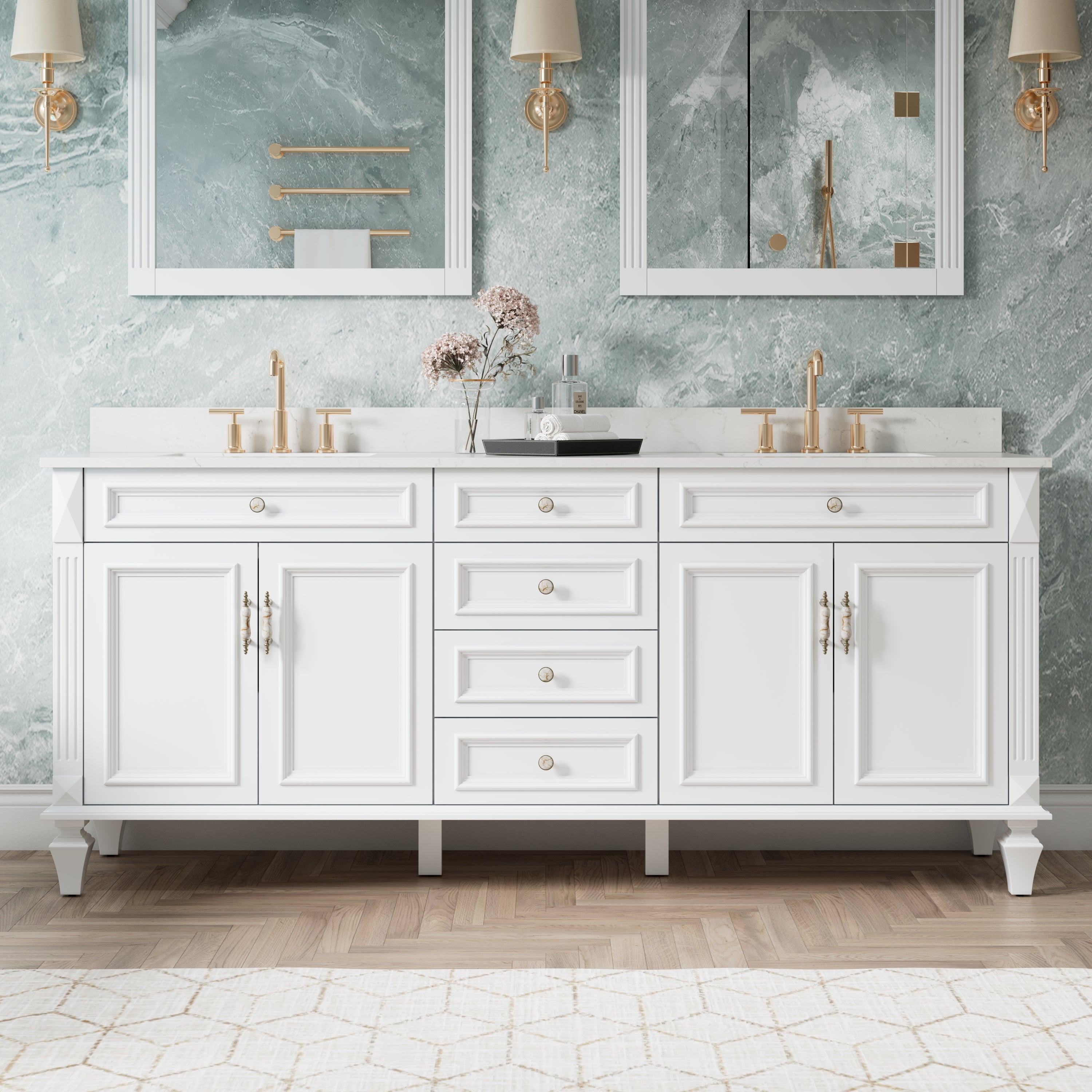
60-inch and 72-inch are common double basin sizes. There are two options at this time:
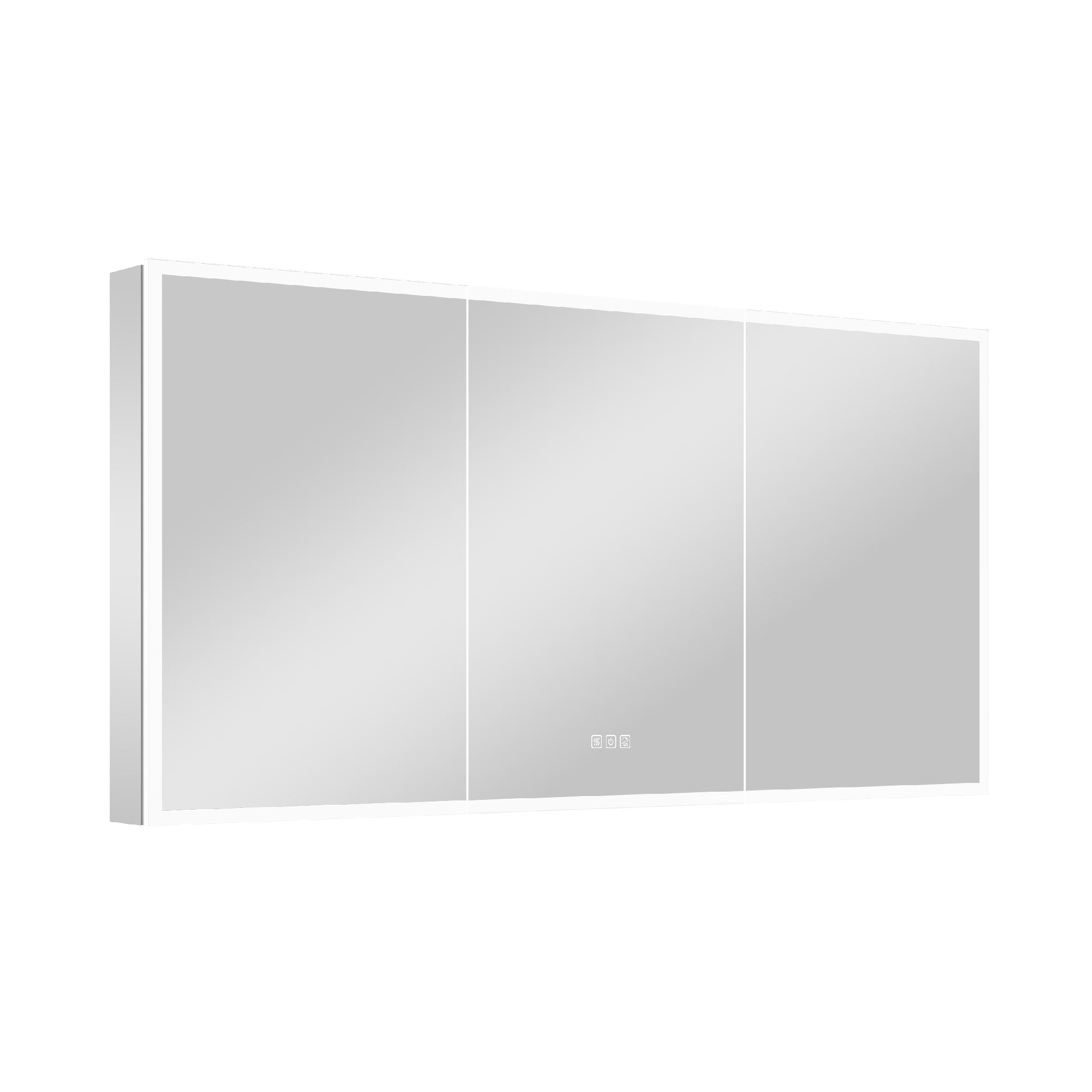
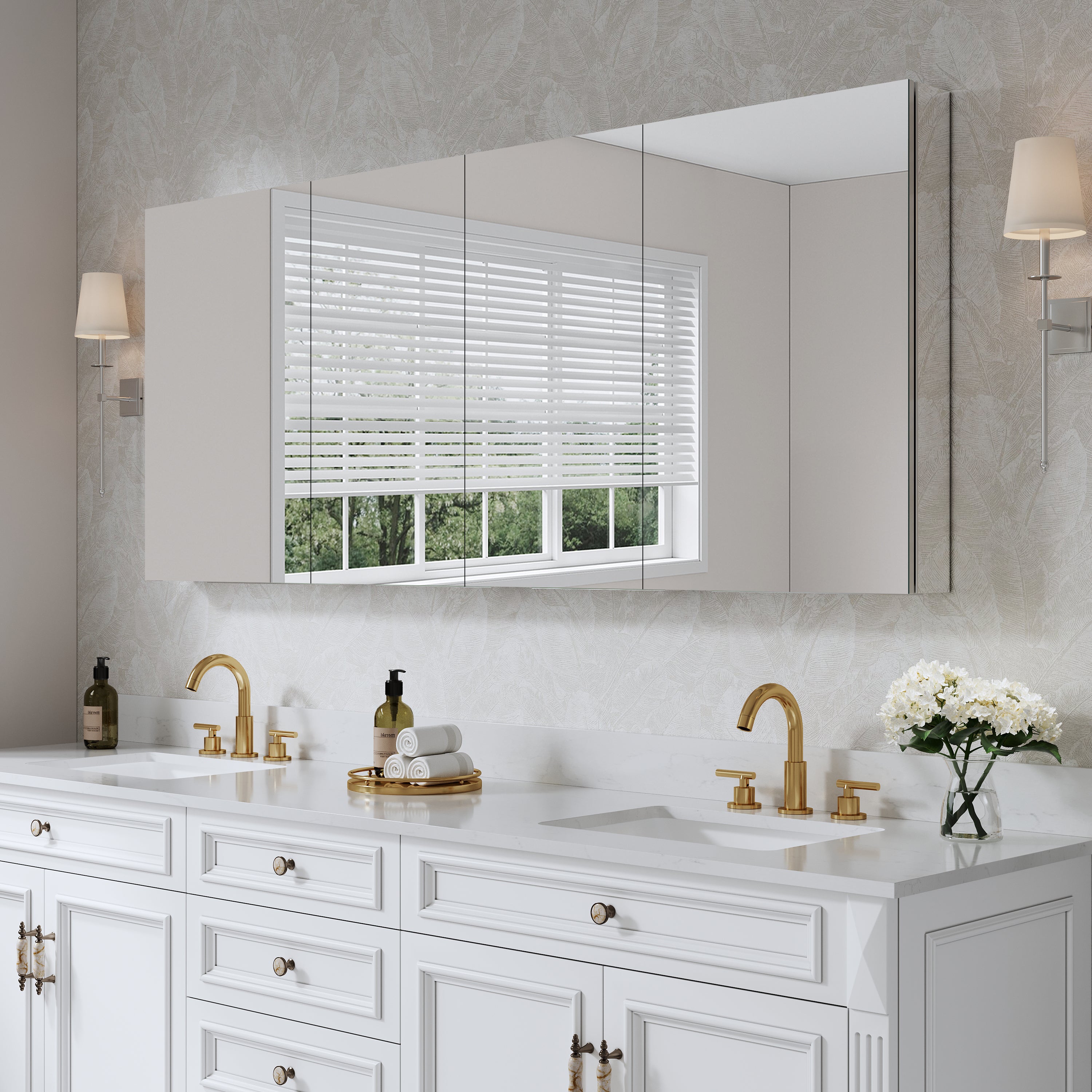
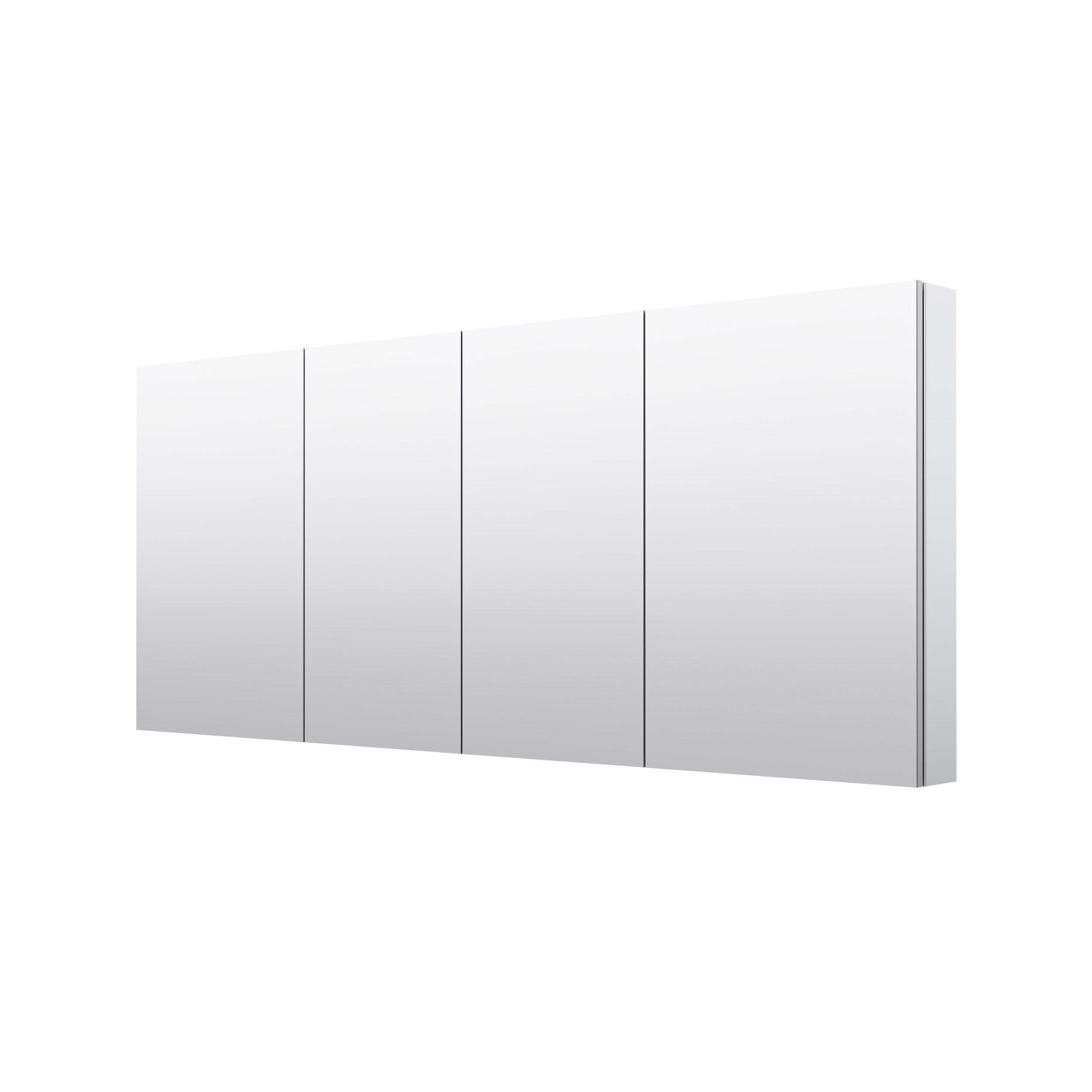
Integrated large mirror: with a width of up to 60 inches or 72 inches
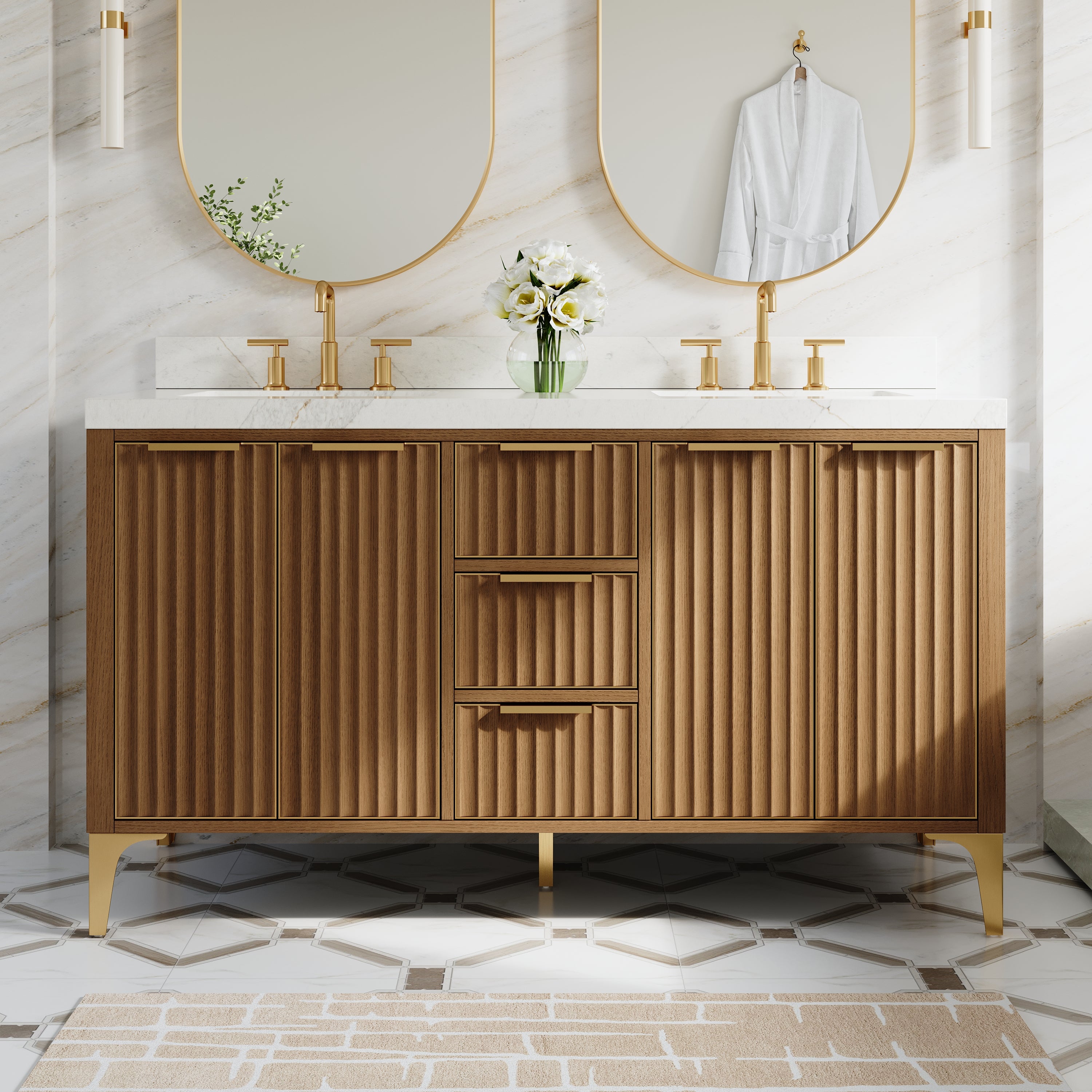
Dual independent mirrors: Each mirror is 28-36 inches wide, with a 4-8 inch gap reserved in the middle
Design data show that approximately 58% of high-end renovation projects in double-basin spaces prefer two independent mirrors to enhance the symmetrical structure and sense of hierarchy.
2. Proportional relationship: Relationship between mirror width and tabletop
Mirrors should not exceed the countertop's width; they will disrupt the visual center of gravity. Industry design experience generally follows the following proportionality principle:
Mirror width ≈ 80% -100% of tabletop width
The distance between the bottom of the mirror and the tabletop is 5-10 inches.
The mirror top should be at least 6 inches away from the ceiling.
In a space approximately 96 inches high, if the tabletop height is 34-36 inches, the mirror height is usually set between 30-40 inches for maximum comfort.
3. Do you need lighting integration?
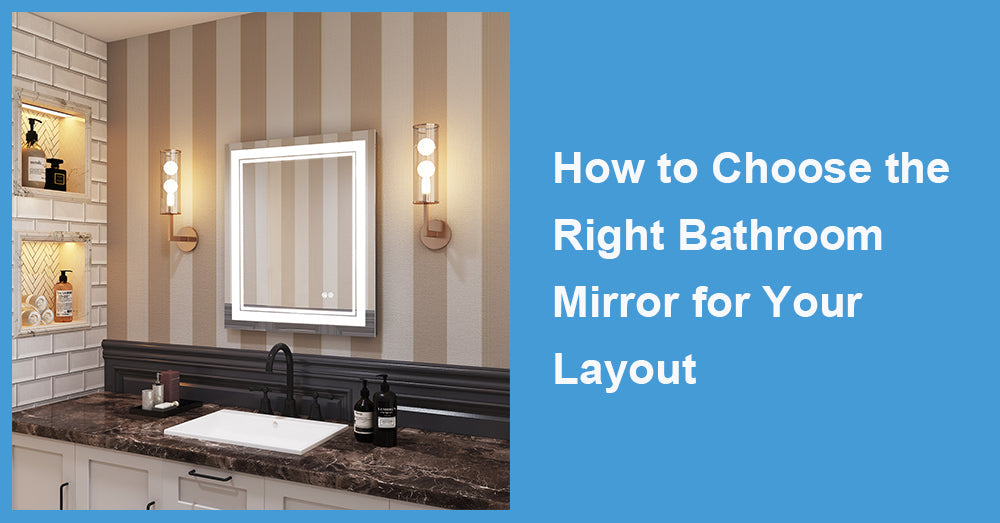
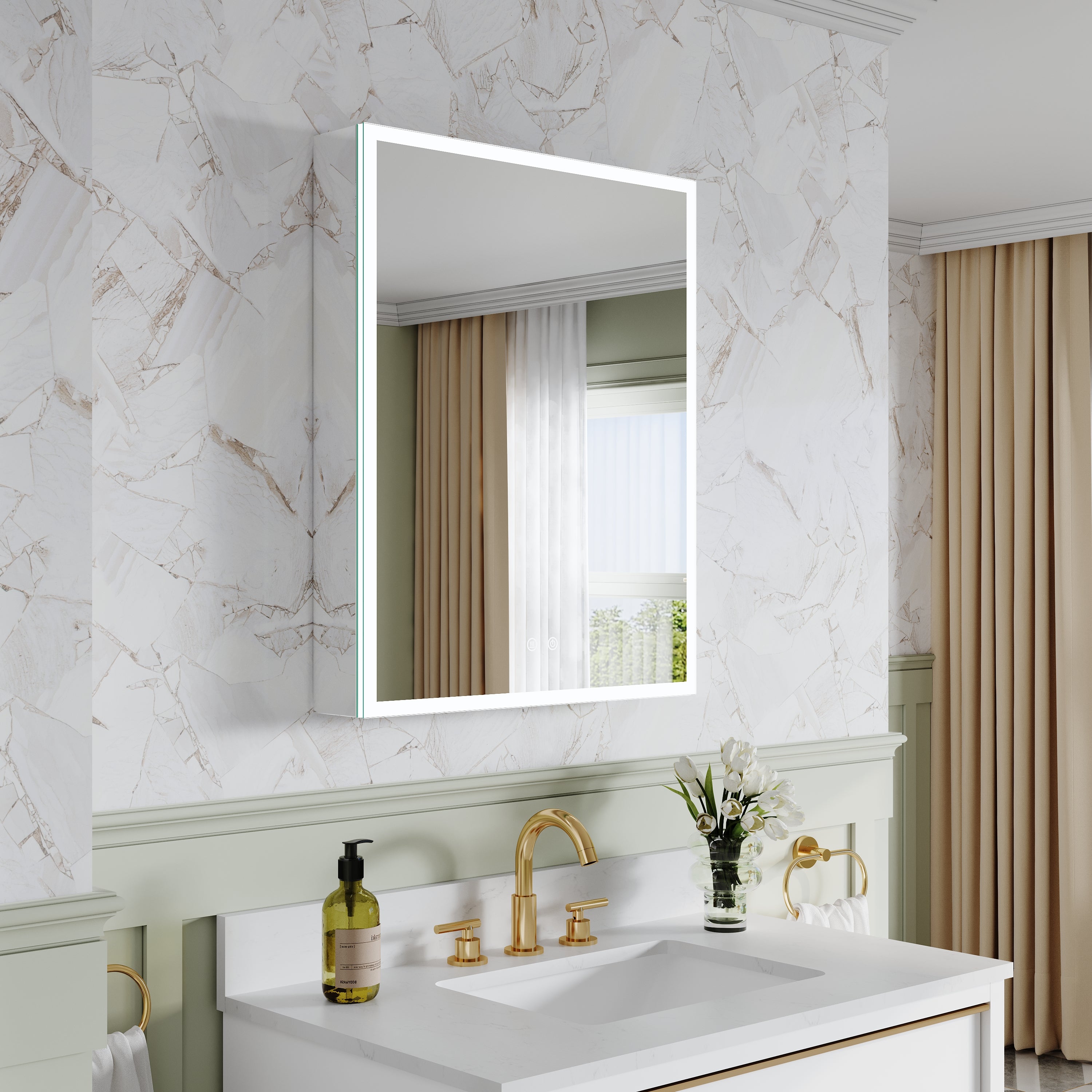
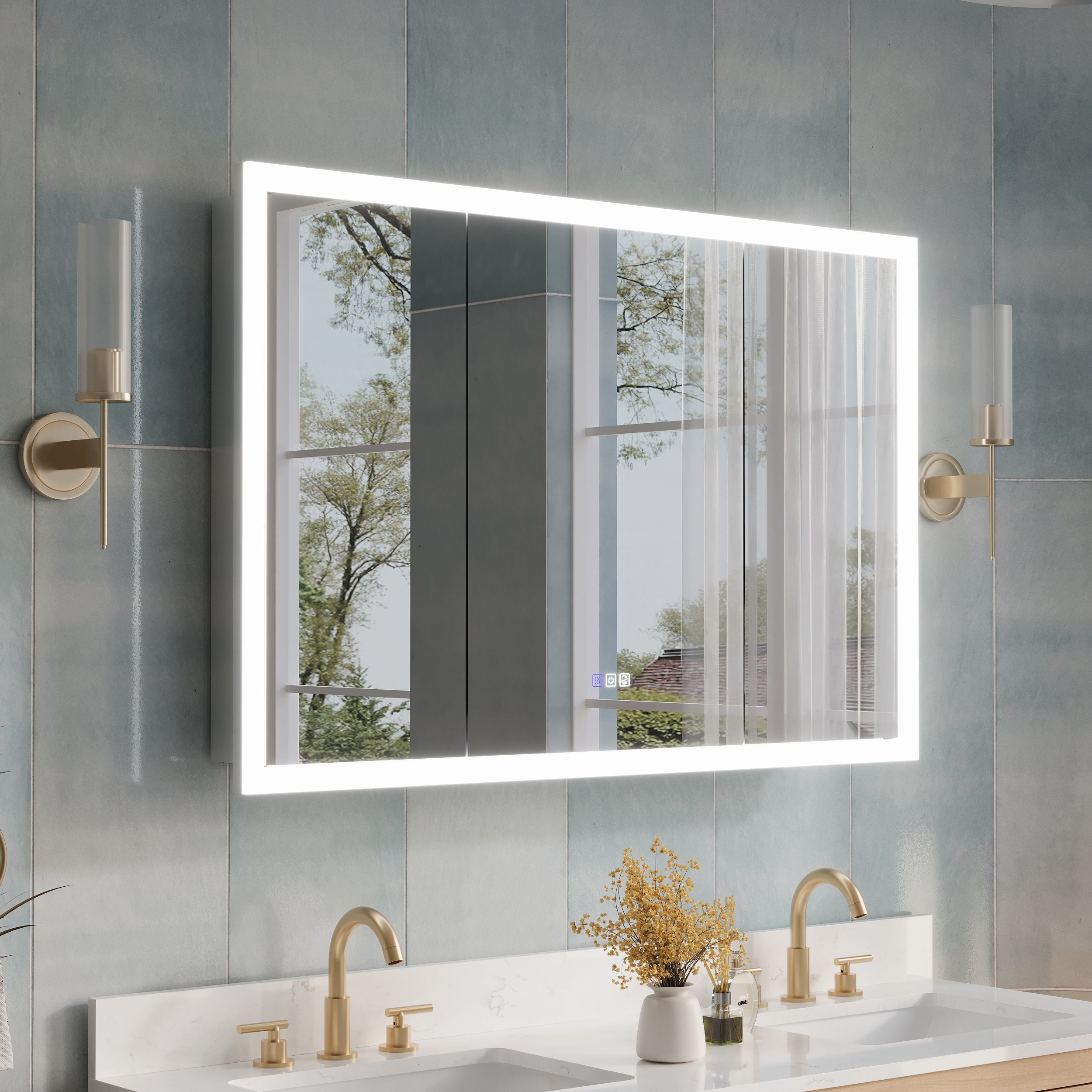
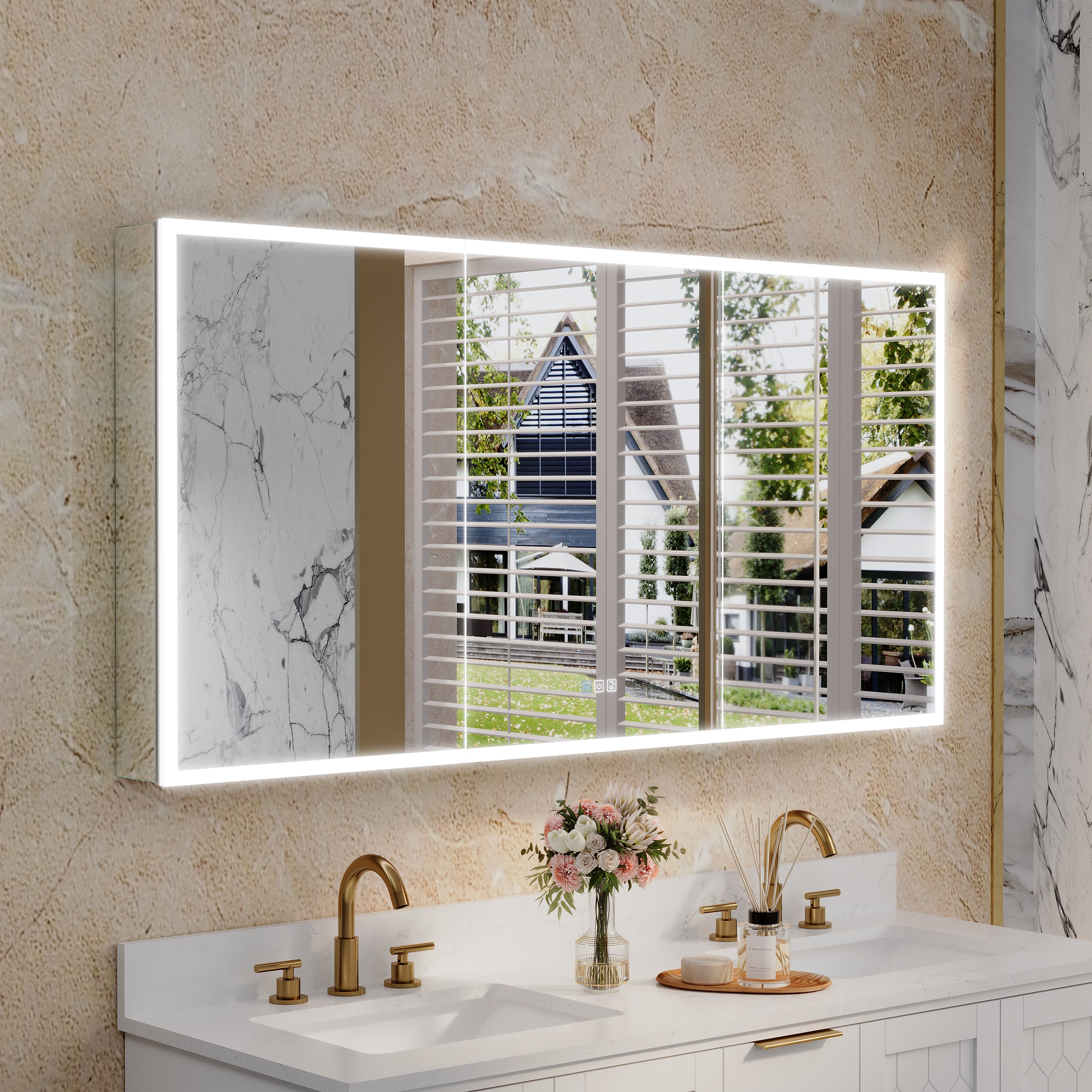
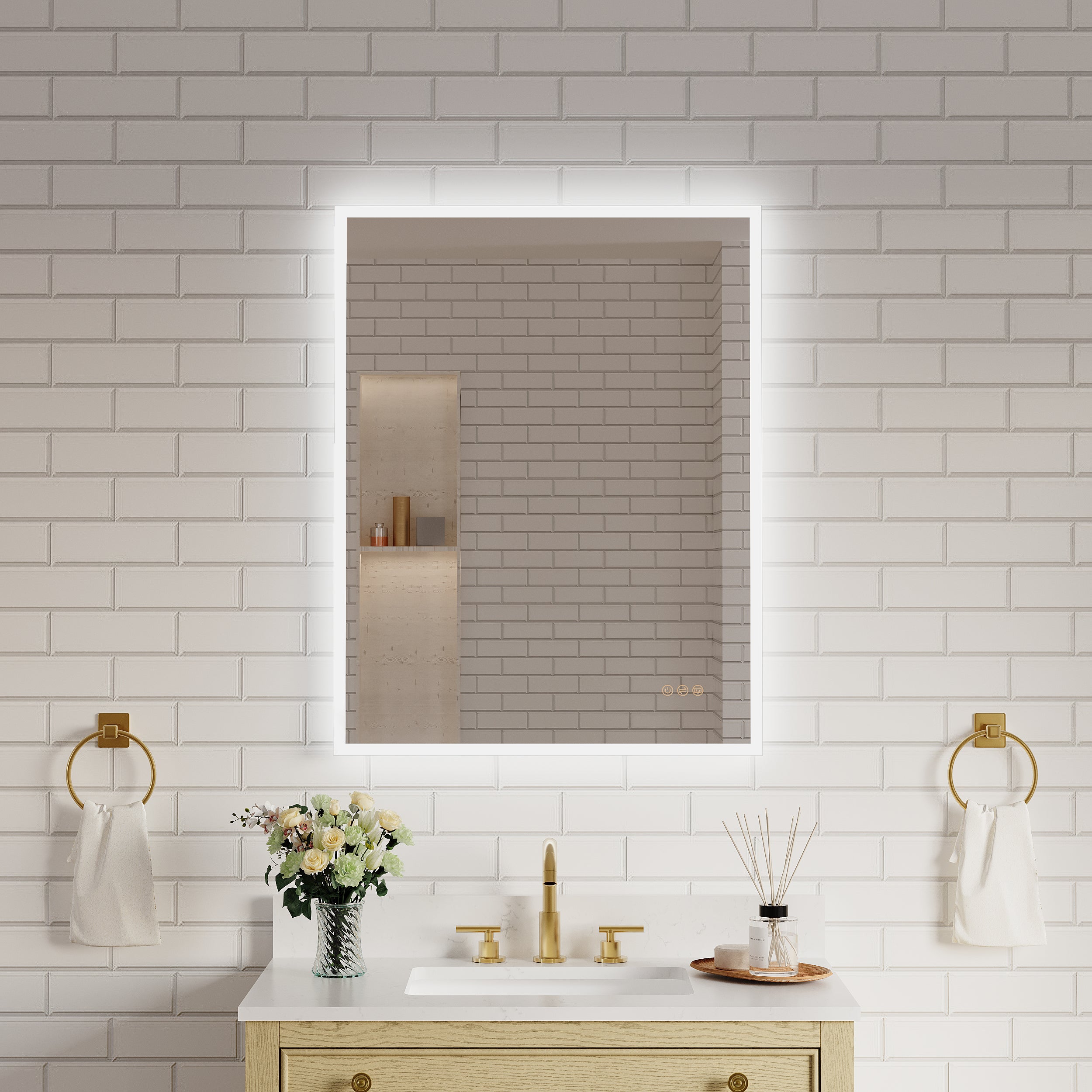
Modern bathroom lighting has increasingly high requirements for the color rendering index. According to lighting industry data, it is recommended to use light sources with a CRI of 90 or higher in dressing scenes to ensure a realistic restoration of skin tone. Mirrors with LED light strips are gradually becoming mainstream, and their advantages include:
Uniform surround light reduces facial shadows.
Adjustable color temperature (common range 3000K-6000K)
Save space for wall-mounted wall lamps.
In mid to high-end projects, over 60% of newly installed mirrors use embedded LED systems. For bathrooms with smaller spaces (less than 60 inches in width), integrated light mirrors are often more space-saving than external wall lamps.
4. Do you need a storage function?
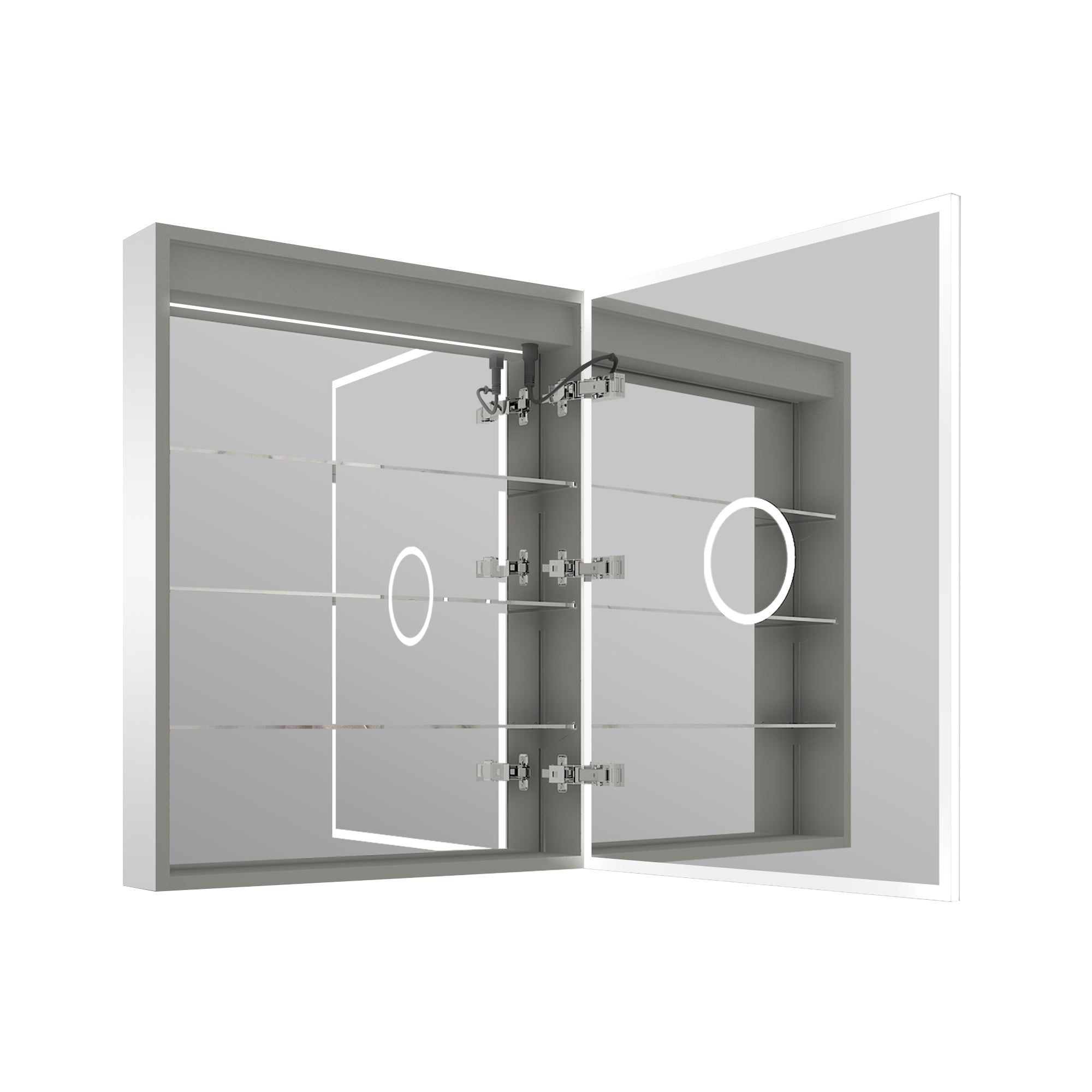
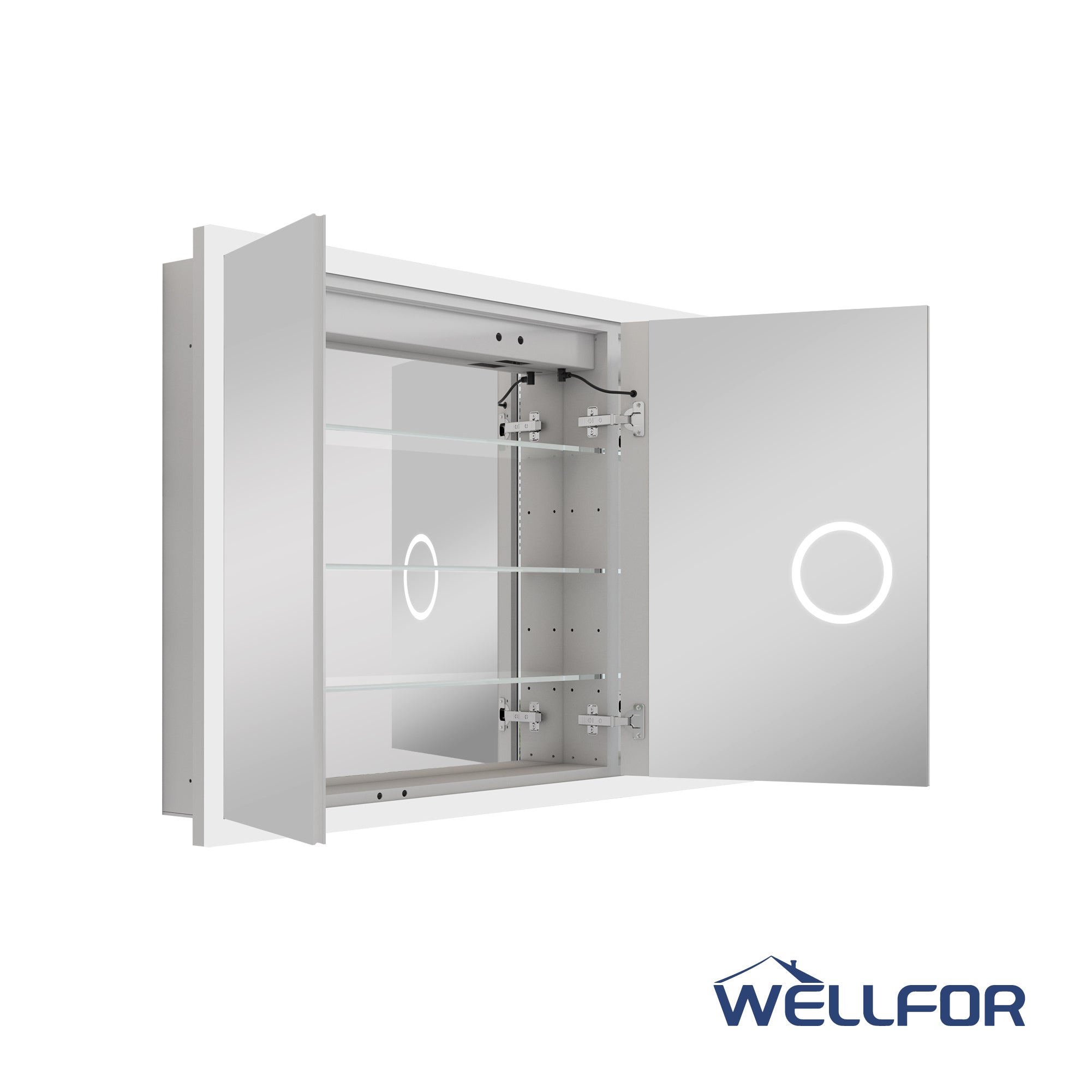
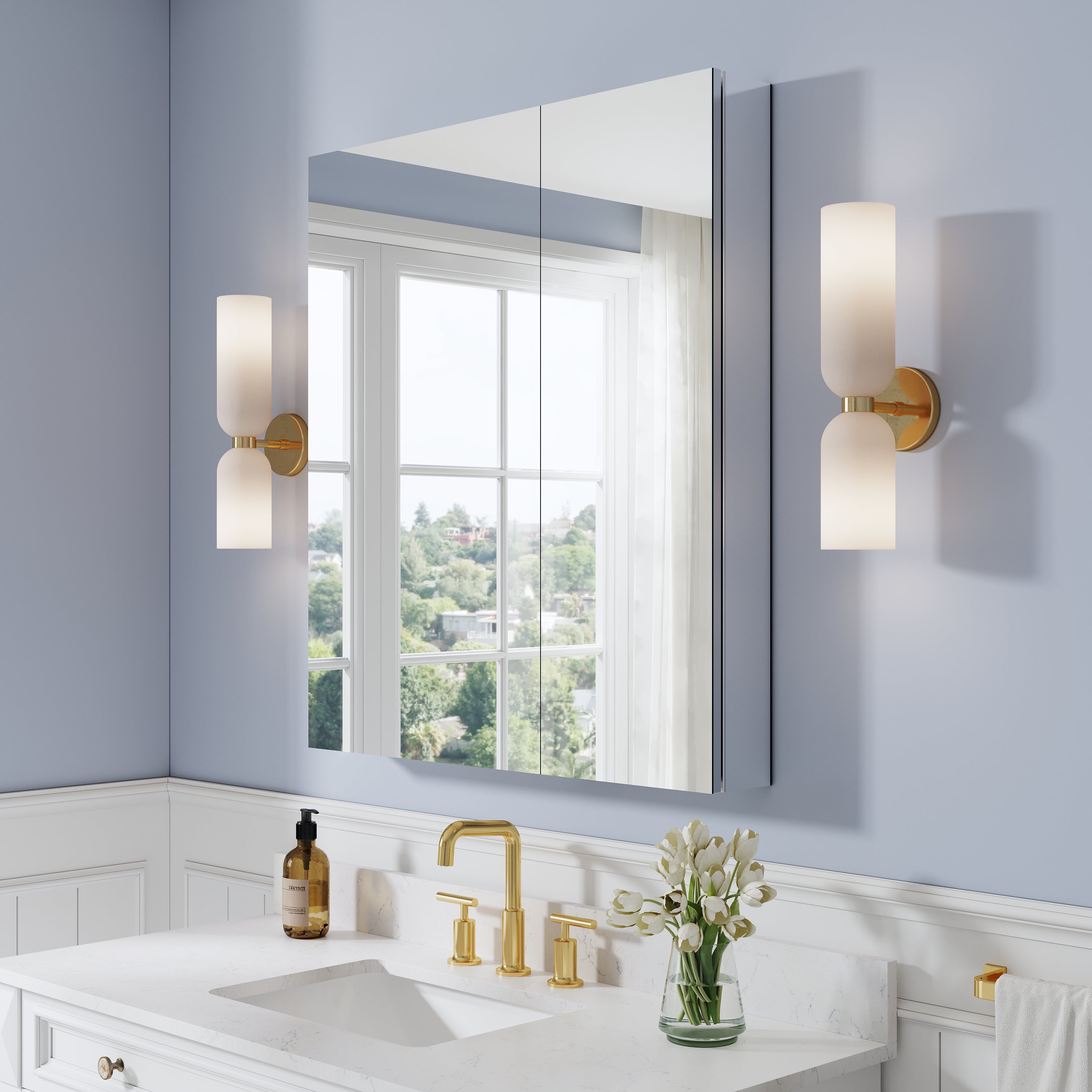
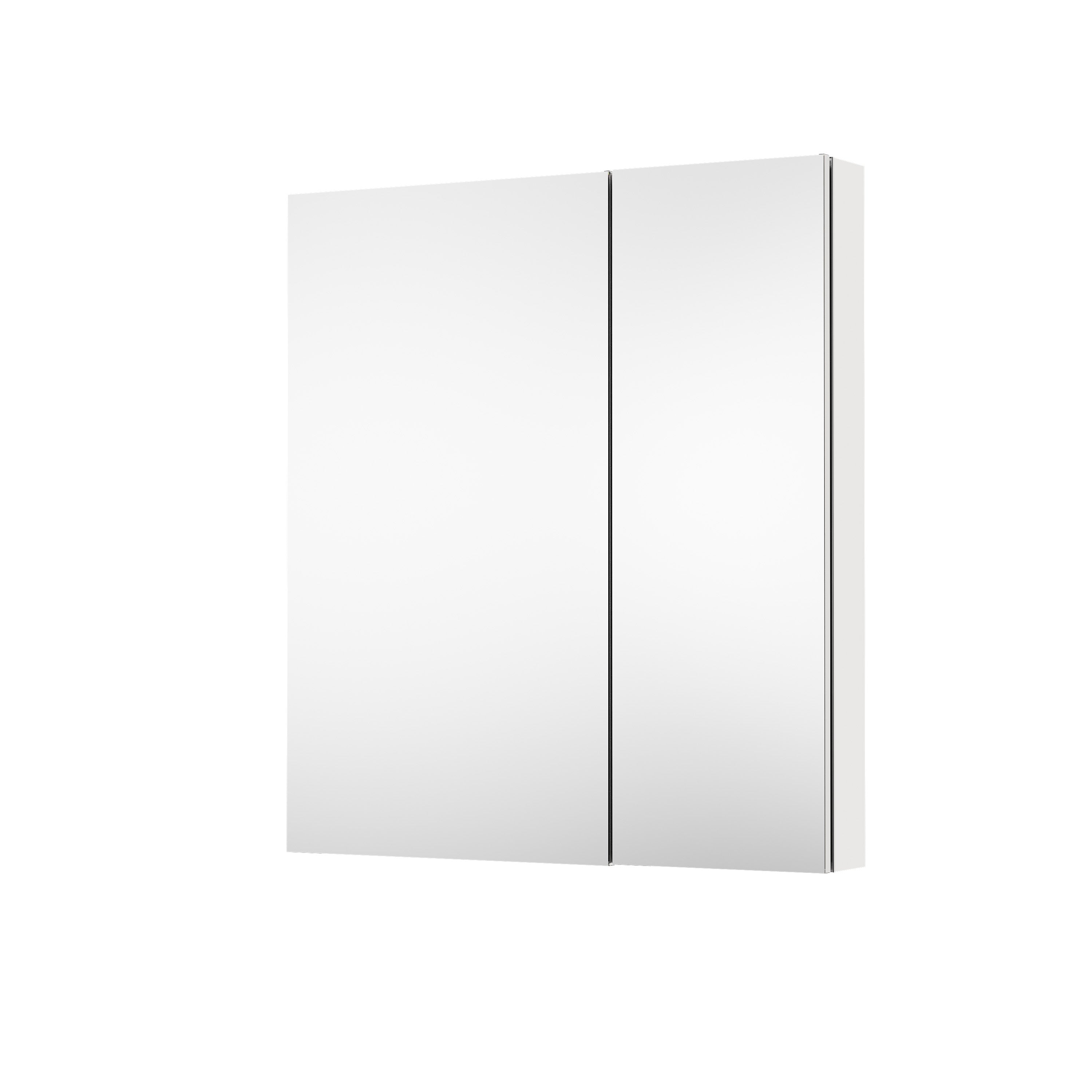
For bathrooms with limited storage space, a medicine cabinet becomes a practical solution. The common depth is 4-6 inches, which can be embedded in walls or surface-mounted.
Data shows that in bathrooms with an area of less than 50 square feet, about 45% of renovation projects choose mirror cabinets with storage. In the main bathroom, this proportion drops to about 28%, as large bathrooms are usually equipped with separate storage cabinets.
Attention should be paid when choosing:
Is an embedded installation allowed on the wall?
Does the opening and closing angle of the door hinge affect the space on both sides?
Does it have an anti-fog function?
5. Shape selection: rectangle, circle, or arch?
Shape not only affects style, but also changes spatial perception.
Rectangular mirror
The most common, accounting for over 65% of the market share. Suitable for modern and minimalist styles, with clear structure and easy proportion control.
Circular mirror
Suitable for breaking straight-line structures. 30-inch or 36-inch diameters are common sizes. Data shows that round mirrors are more popular in small bathrooms because they appear softer visually.
Arched mirror
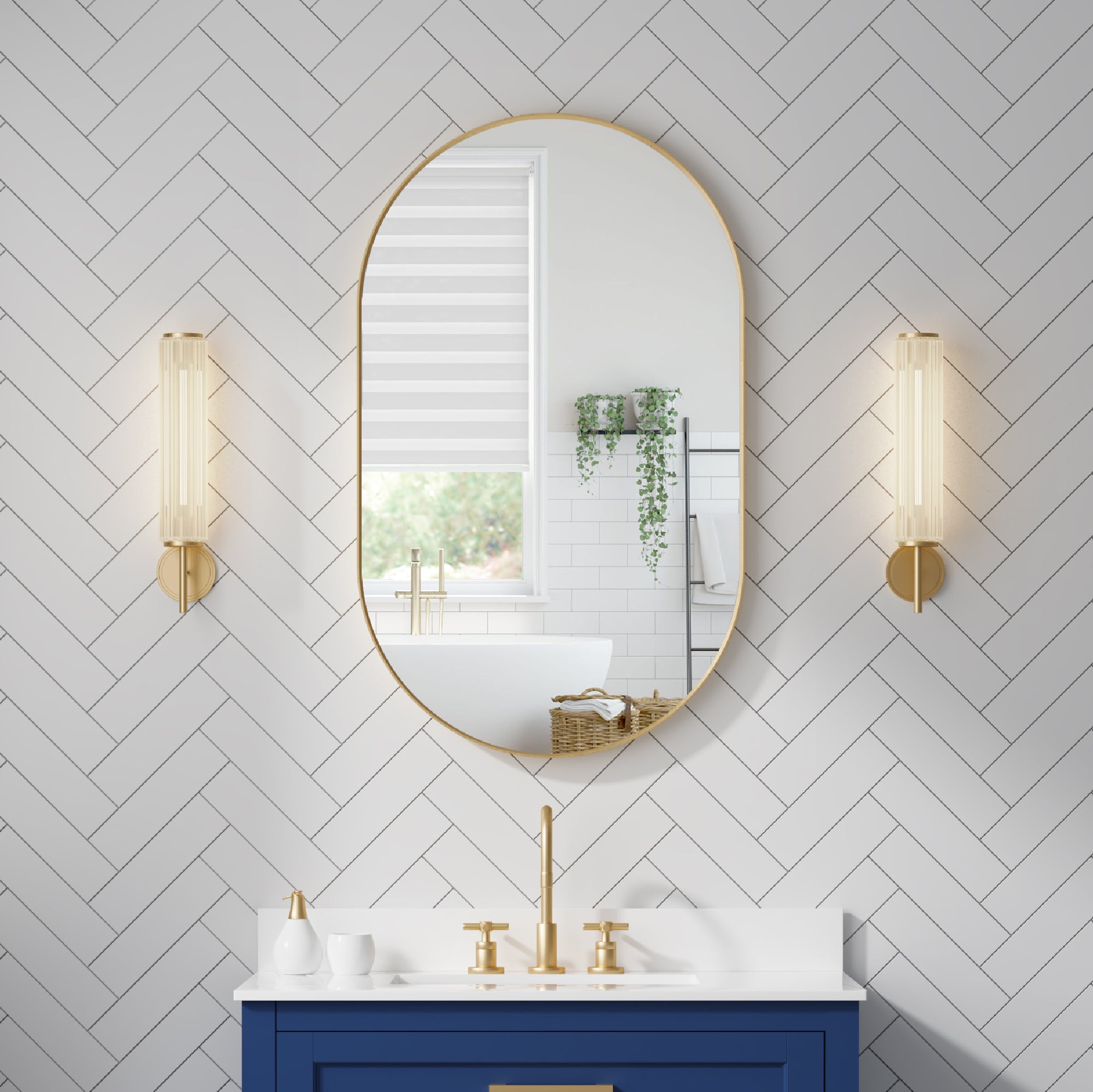
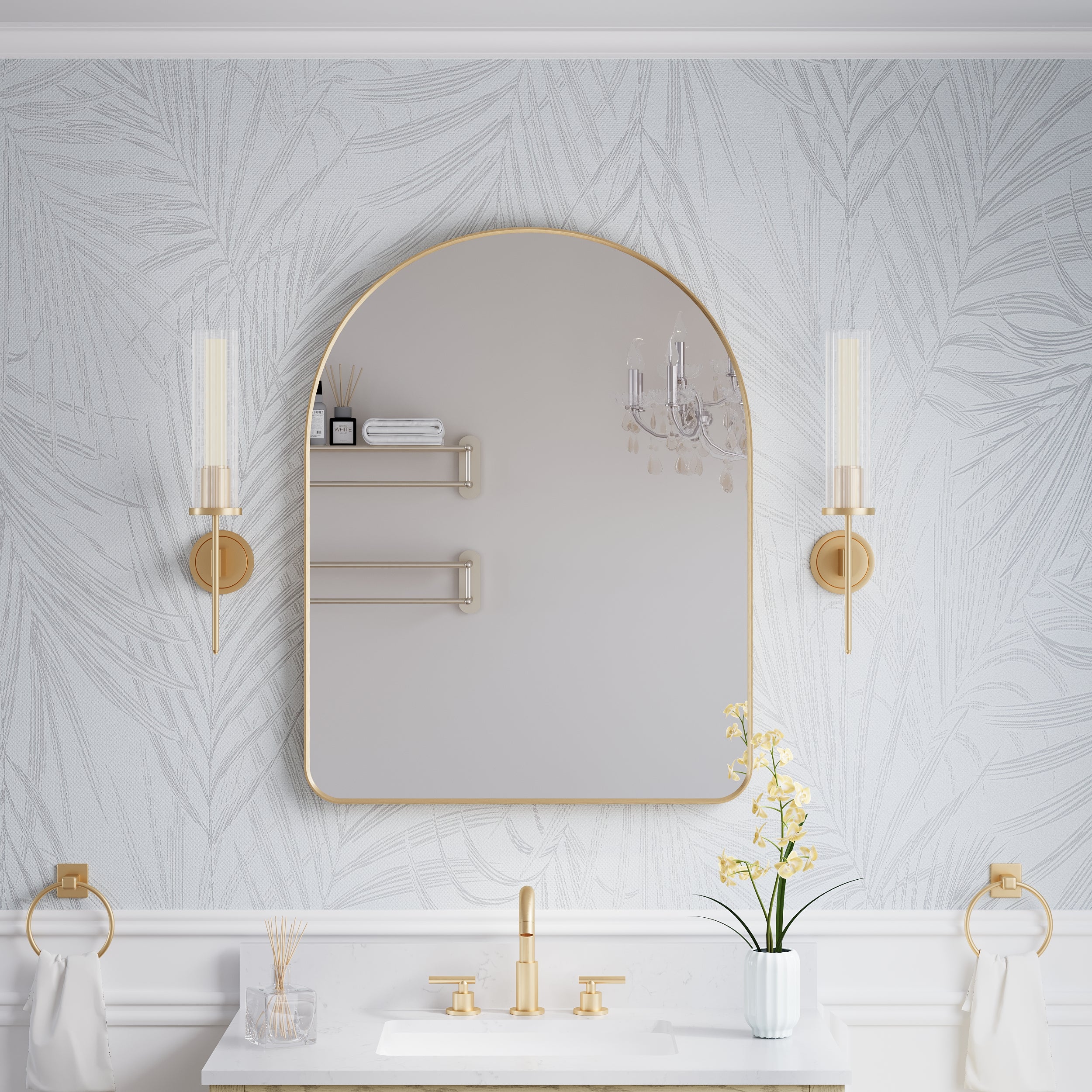
In recent years, there has been significant growth, especially in the design of light luxury and transitional styles. The top arc can enhance the vertical sense of space.
6. Anti-fog and intelligent trends
In high-humidity environments, mirror fogging negatively affects the user experience. Industry data shows that over 55% of high-end mirror products in main bathroom spaces with showers or bathtubs are equipped with heating and defogging functions.
The smart mirror also includes:
Touch dimming
Bluetooth audio
Time and temperature display
However, in actual installation, designers suggest prioritizing core functions (lighting, anti-fog) over excessive stacking of intelligent modules.
7. Material and border selection
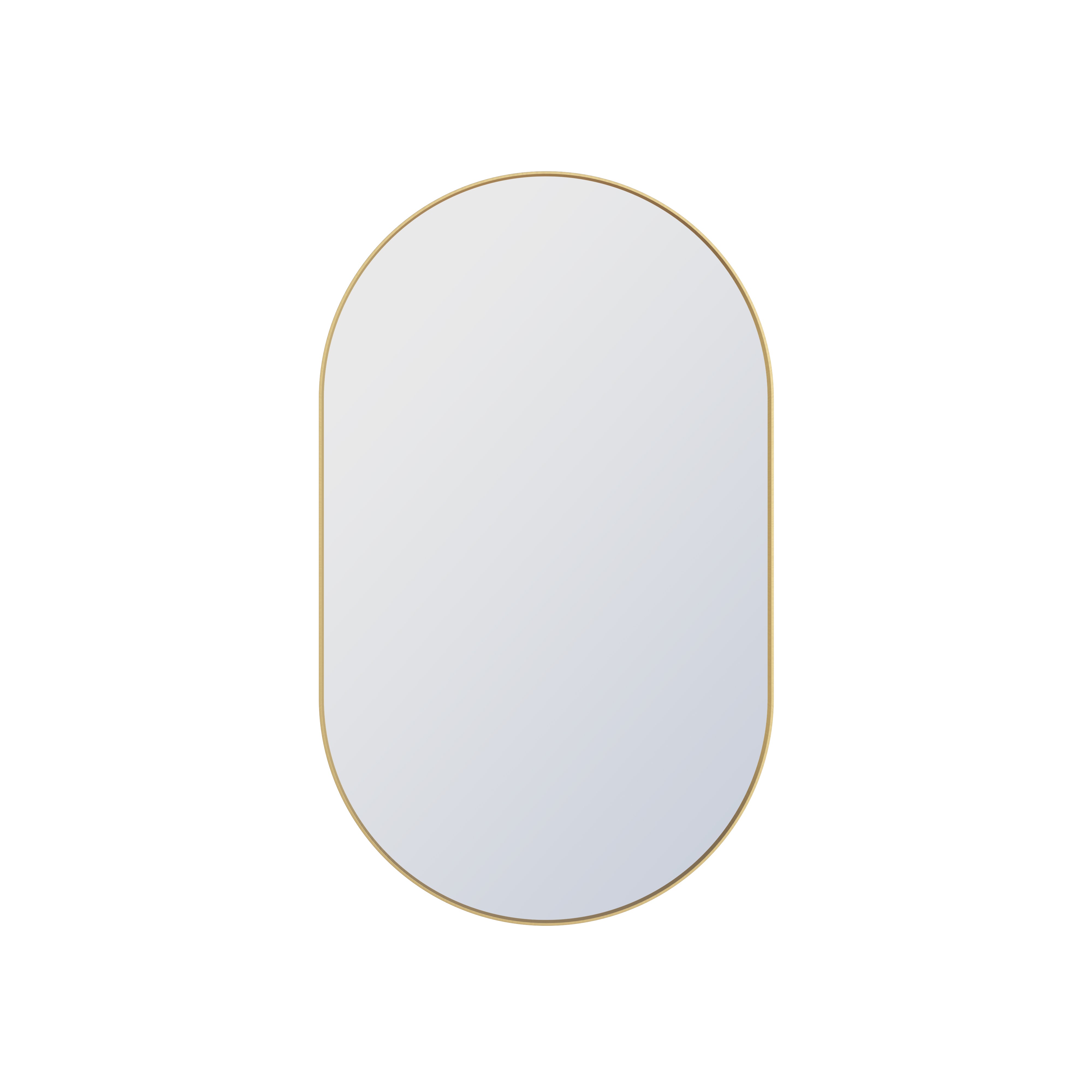
Borderless mirrors occupy about 60% of the market share and are suitable for modern minimalist styles. Metal frames (black or brushed gold) are commonly used in industrial or modern, light-luxury spaces.
The border thickness is generally between 1 and 2 inches. Overly wide borders may weaken the mirror's visual area.
8. Details of installation height
The industry generally recommends a mirror centerline height of 60-65 inches above the ground, which accommodates most adult heights. If there is a significant difference in height among family members, they can be slightly adjusted up or down by 1-2 inches.
9. The relationship between spatial lighting and mirror finish
Mirrors not only reflect people, but also magnify space. Data shows that adding high reflective mirrors in windowless bathrooms can increase overall brightness by about 20% -30%. Therefore, in dark-colored spaces, it is recommended to choose large-area or illuminated mirrors.

10. Conclusion
The selection of bathroom mirrors is never simply a matter of size matching, but a comprehensive judgment of proportion, function, lighting, and style. Whether it is a 30-inch single-basin space or a 72-inch dual-basin main bathroom layout, the mirror serves as the visual core of the space. With the popularization of lighting integration, anti-fog technology, and intelligent control, modern mirrors are becoming an important component of bathroom systems.
When planning, starting from the layout, combining proportion and functional requirements, and considering style and materials, one can truly achieve a coordinated and efficient spatial design.












Leave a comment
This site is protected by hCaptcha and the hCaptcha Privacy Policy and Terms of Service apply.