
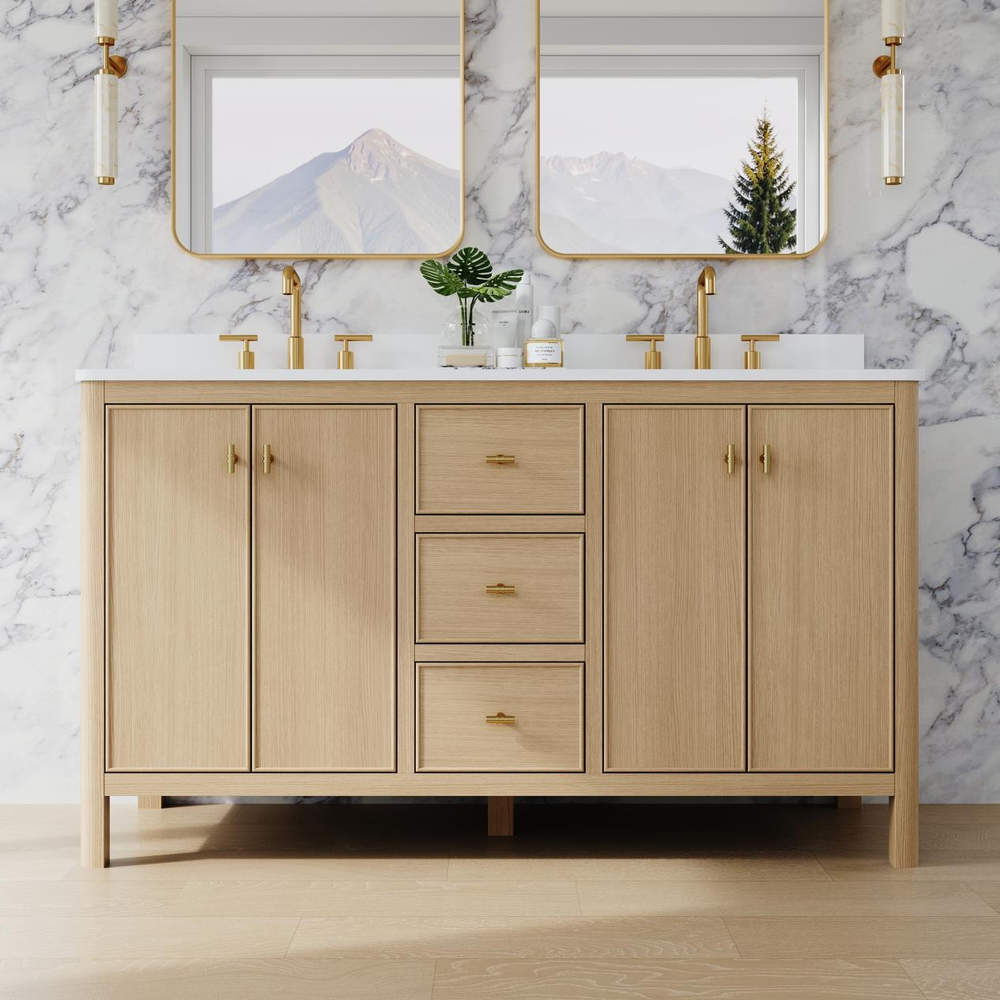
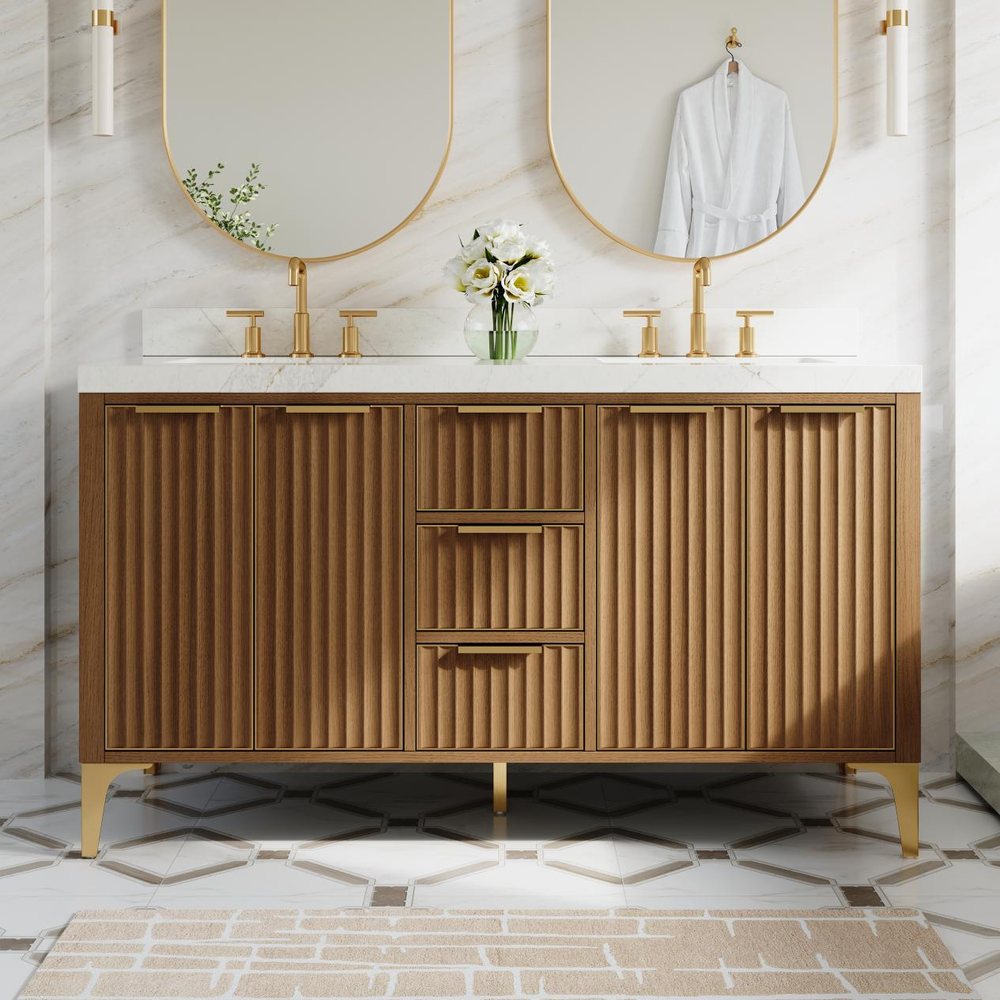
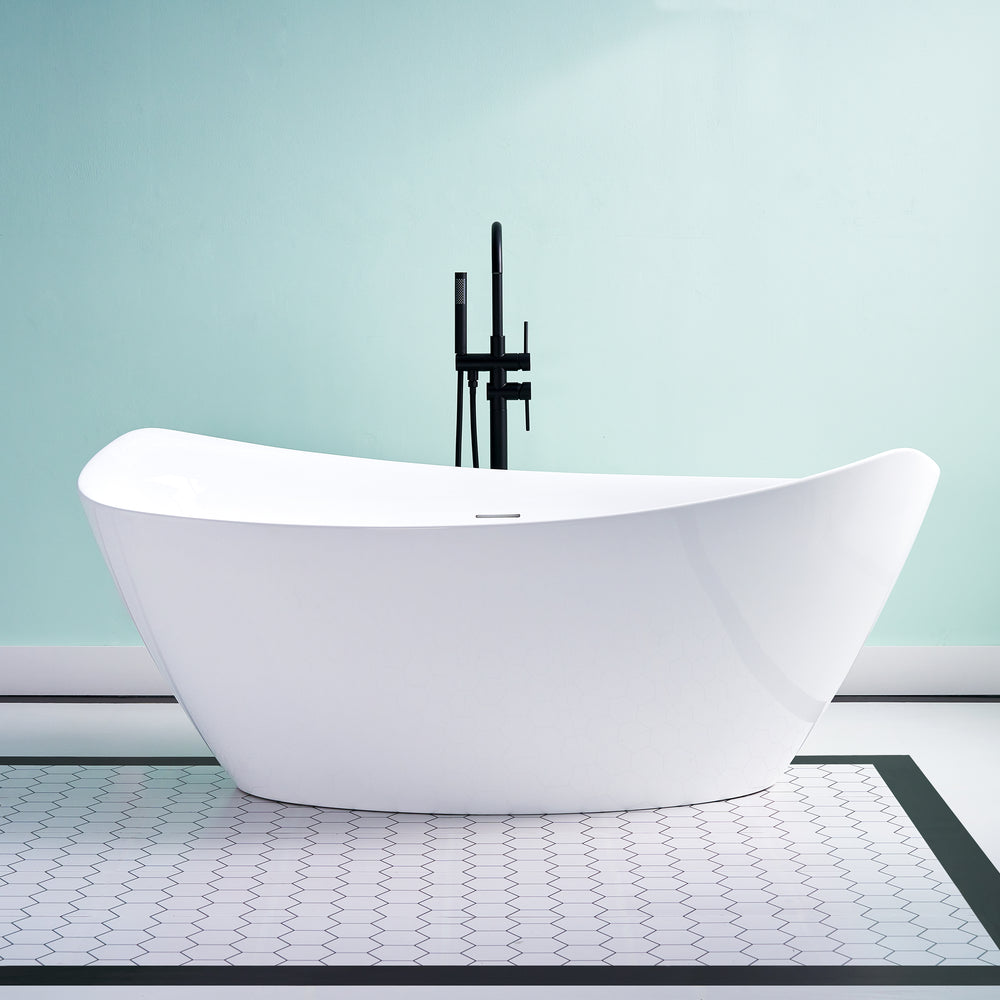
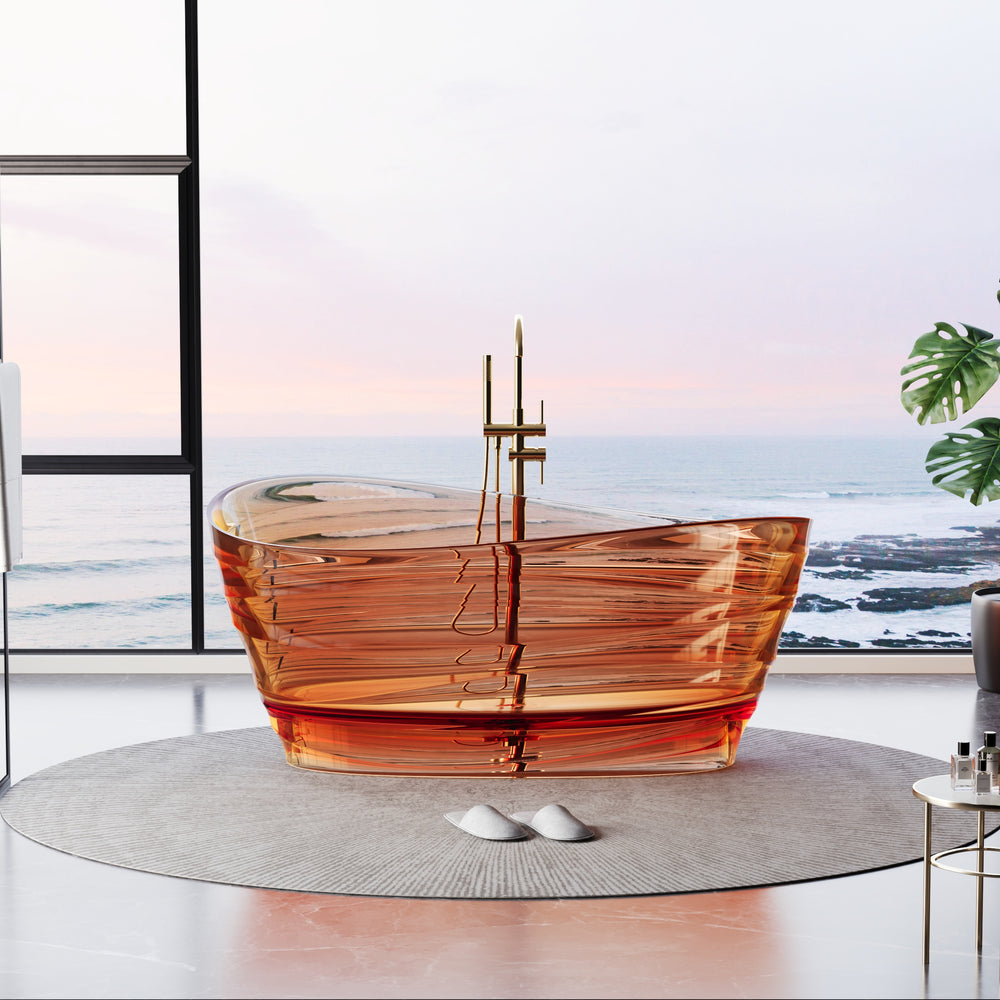
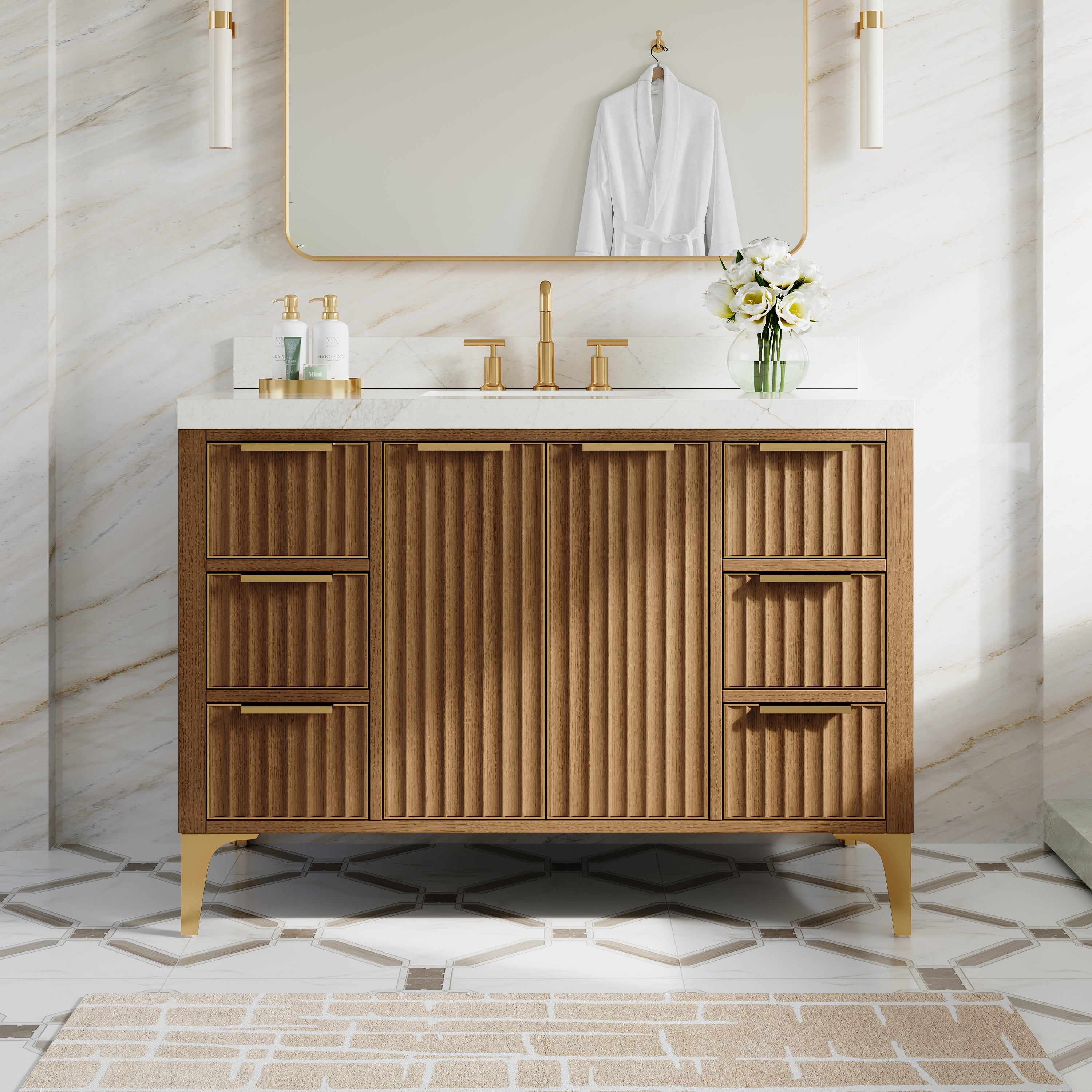
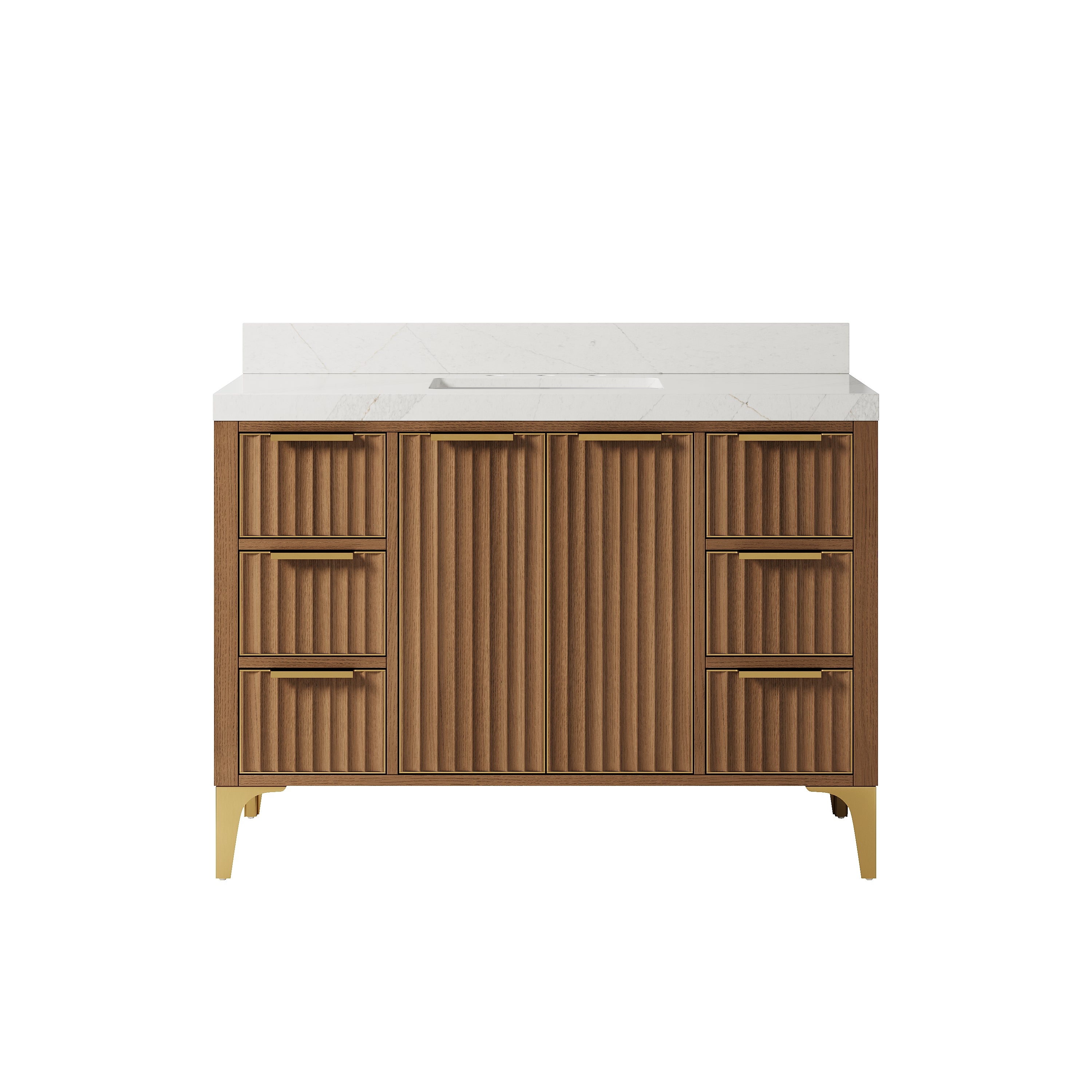
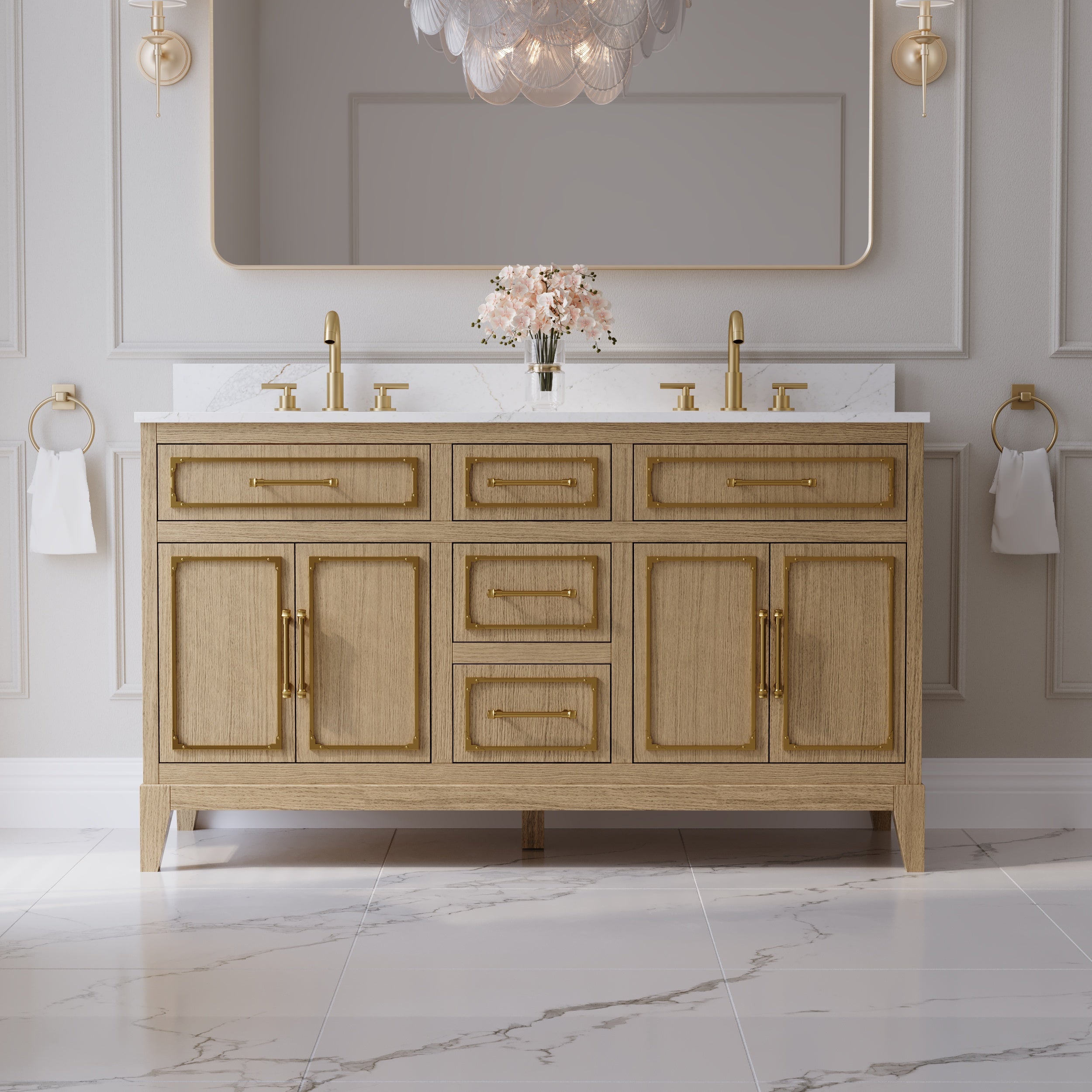
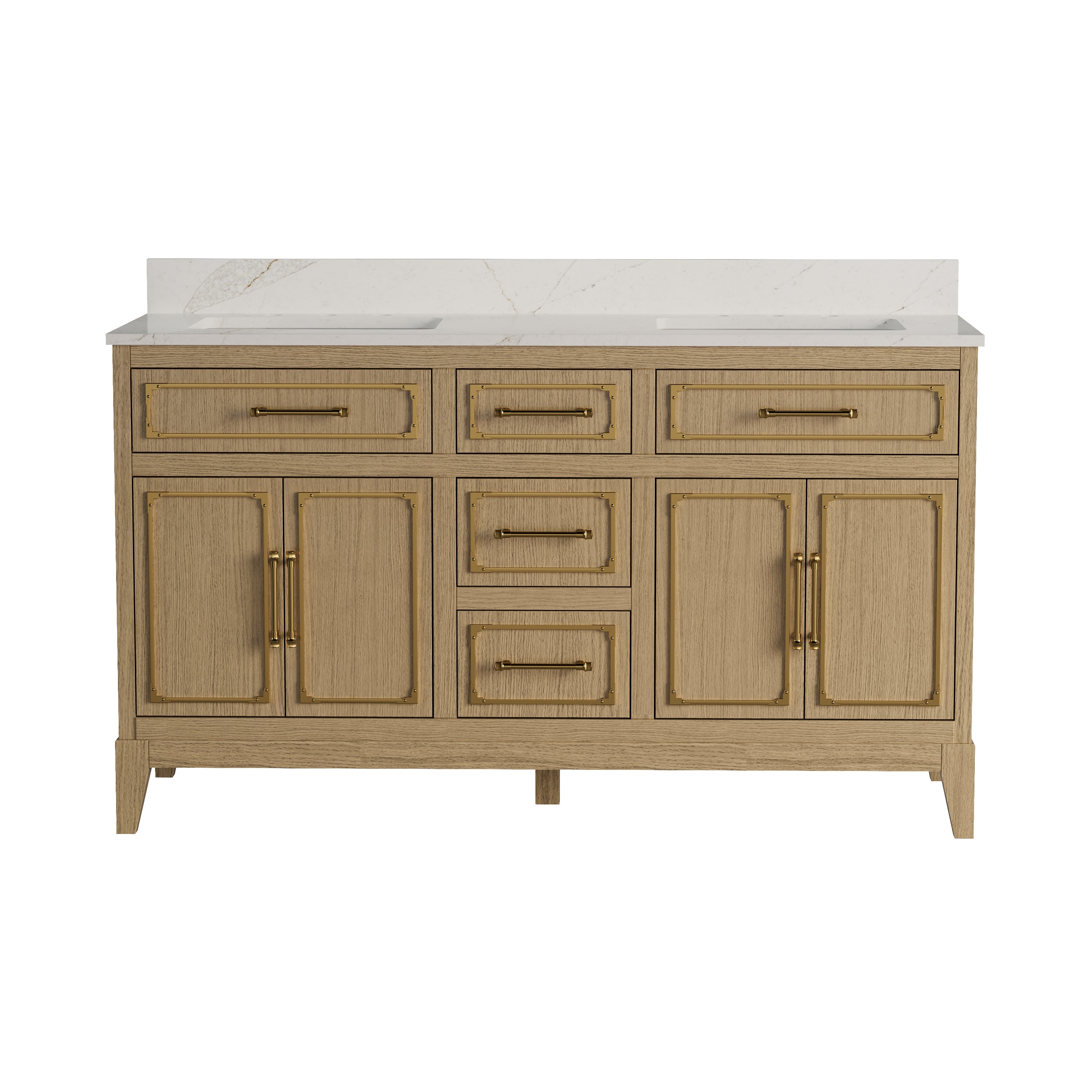
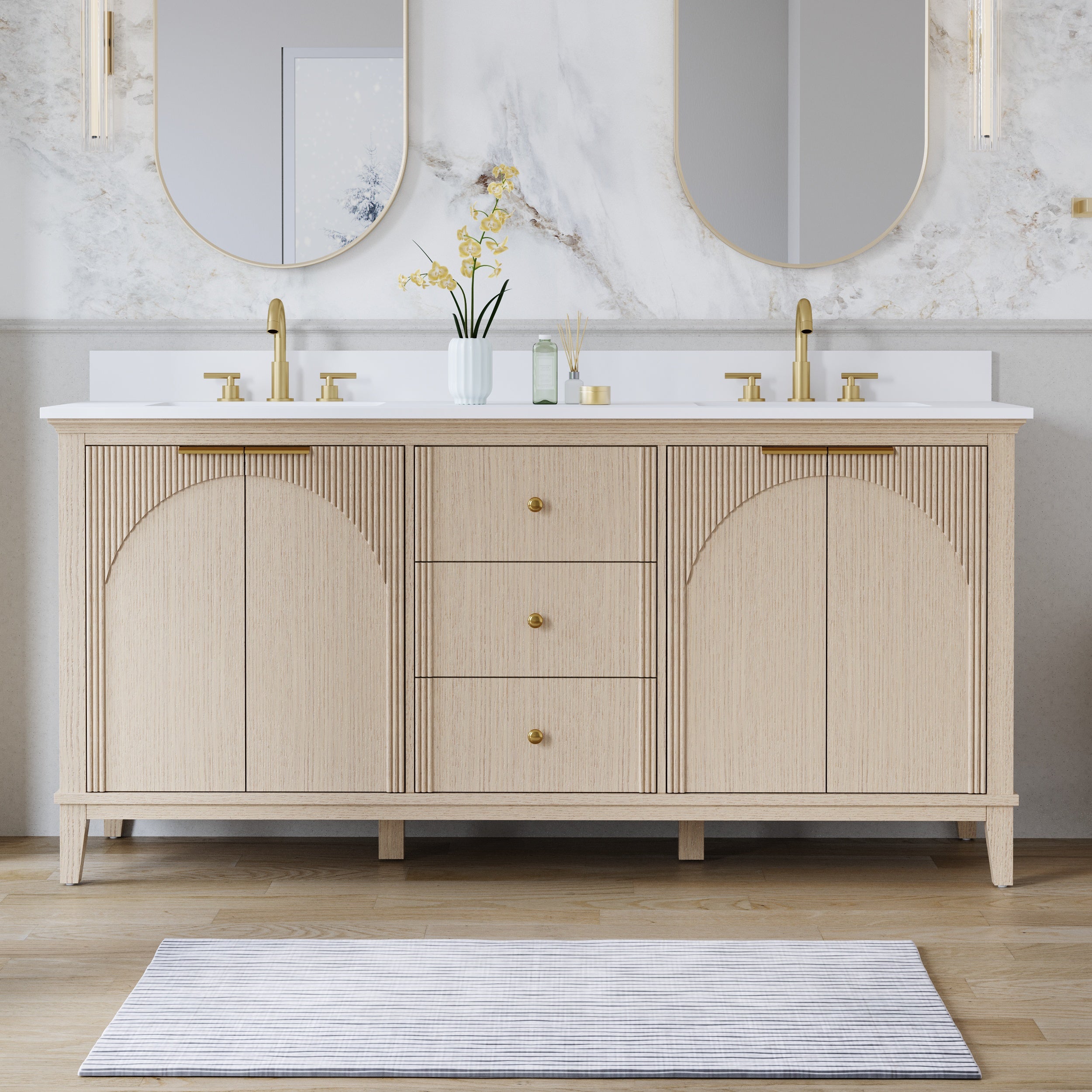
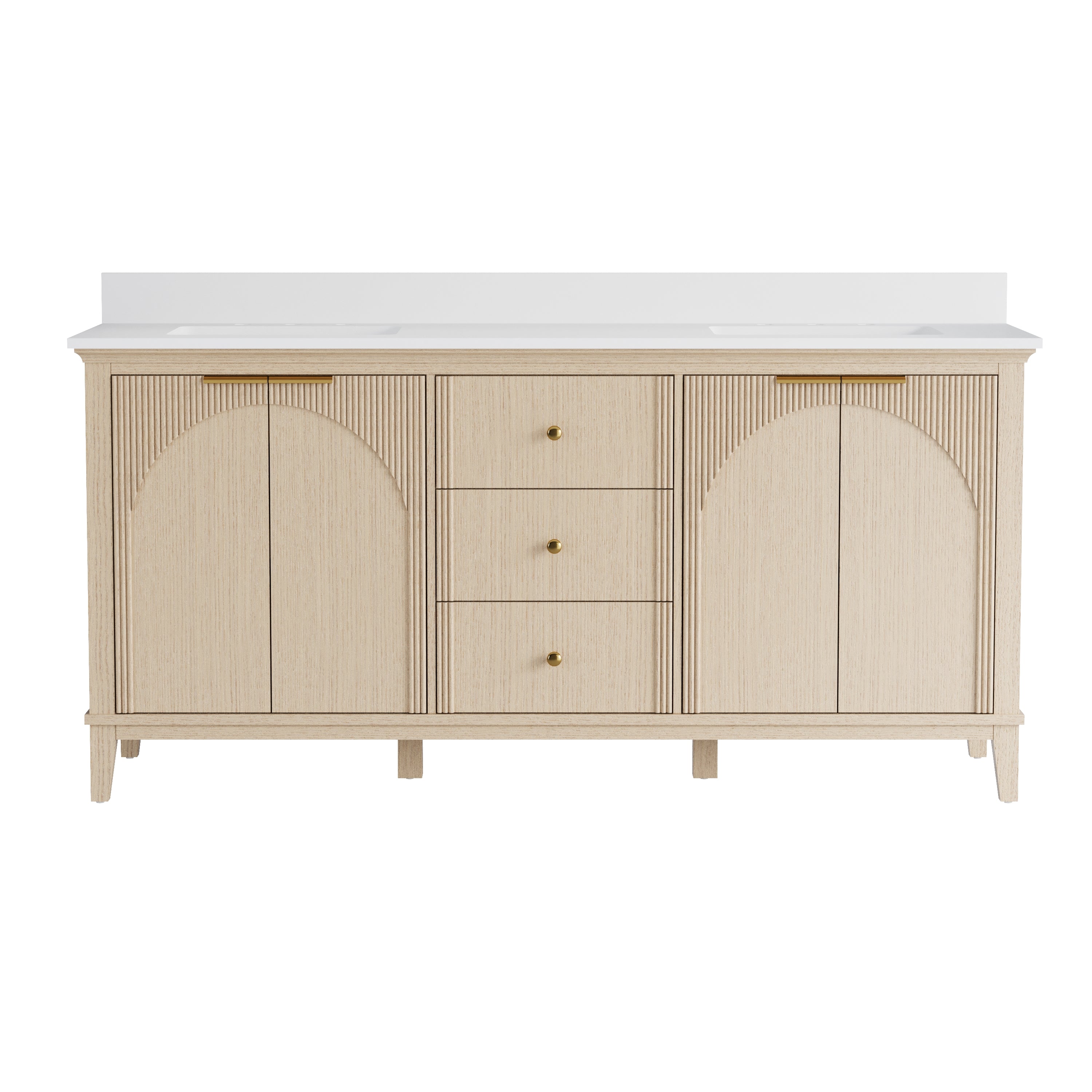
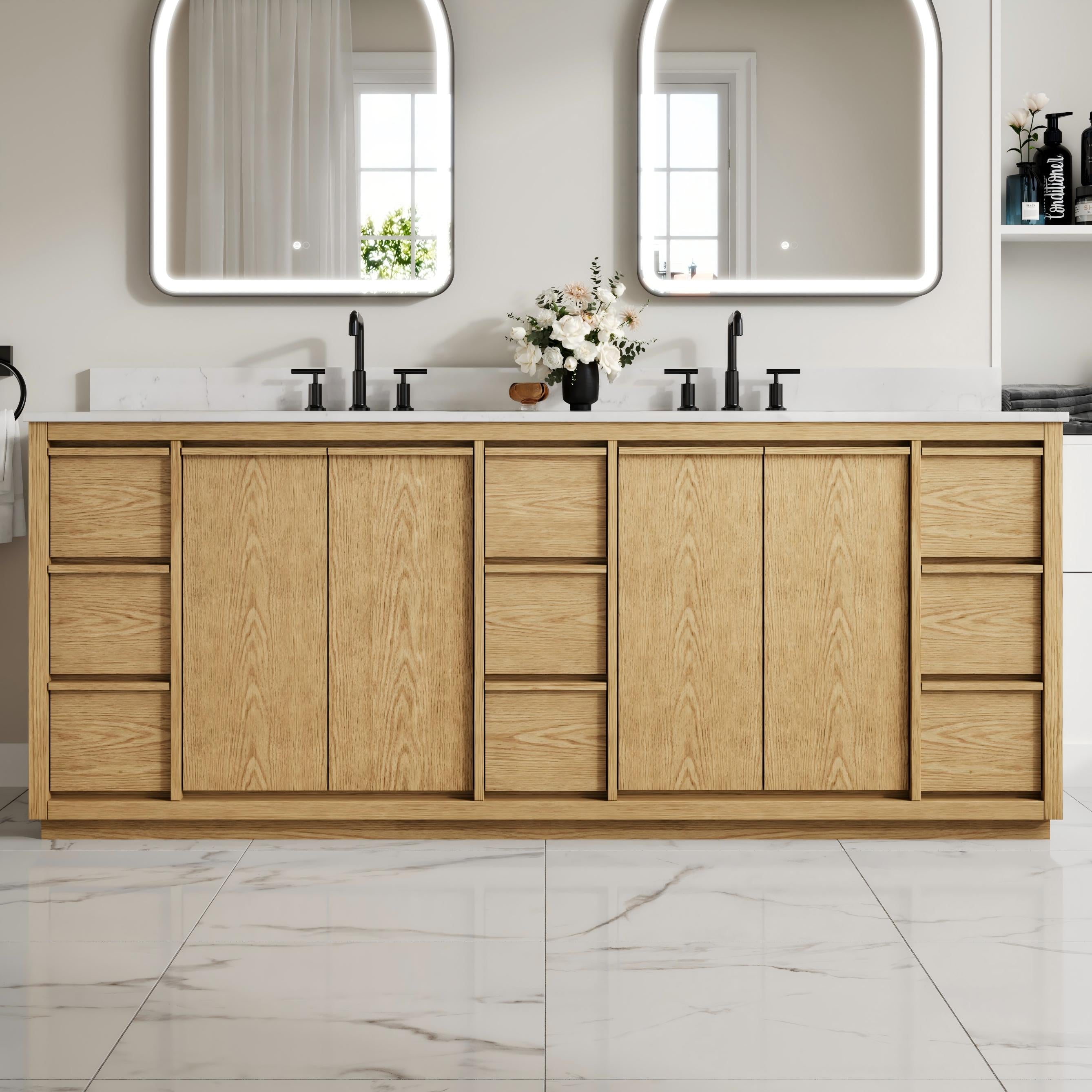
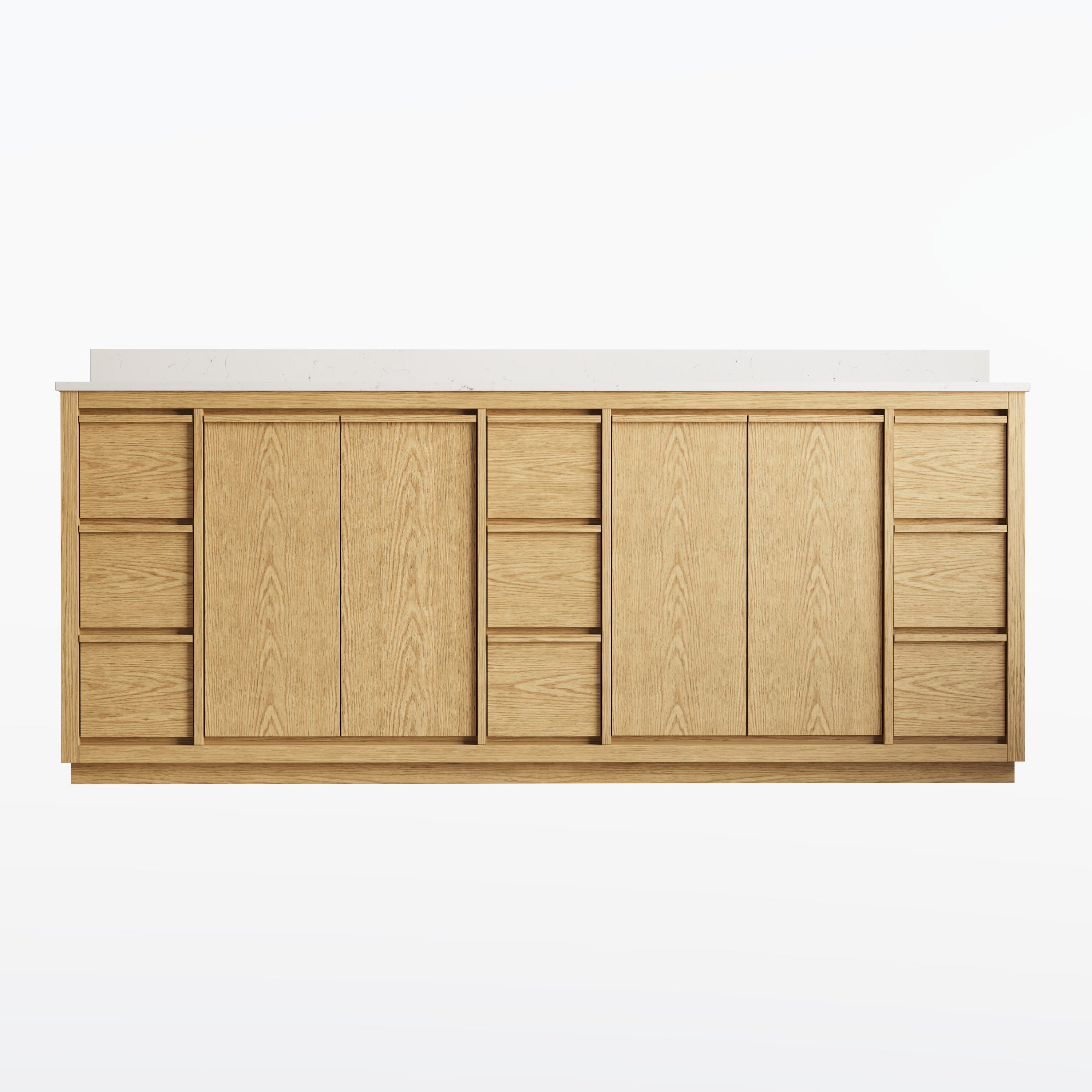
In contemporary home decoration, the design of the bathroom has long surpassed the scope of a single function and has become an important space for displaying life taste and personal style. Among the many bathroom elements, freestanding bathroom vanity is becoming the first choice of more and more families and designers with its flexibility, high appearance and versatility.
However, how to reasonably lay out a freestanding vanity to balance its function and beauty? This article will comprehensively analyze the practical tips for creating a perfect bathroom layout, from design, space planning, and style matching to detailed storage.
1. Clarify the spatial pattern: choose the appropriate size and position of the vanity
Before choosing a freestanding vanity, you first need to evaluate the actual space size and pattern of the bathroom. Generally speaking, small bathrooms (3-5㎡) are suitable for single-basin vanity within 60cm, while medium and large bathrooms can boldly choose double basins or wide-body styles of 80cm to 120cm.
When laying out, pay attention to:
- Keep a walking distance of at least 60cm from the toilet and shower area to avoid a sense of oppression during use.
- Make sure there is enough door opening and standing space in front of the washbasin. It is recommended to reserve an activity area of more than 80cm.
- If installed against the wall, avoid unreasonable gaps between the corners and the wall, which will affect cleaning and appearance.
2. Pay attention to the compatibility of the drainage system
Unlike the integrated washbasin vanity, the installation of the freestanding vanity has higher requirements for the location of the upper and lower water pipes. Before purchasing, you should confirm the following points:
- Whether there is a drainage pipe opening at the bottom of the vanity or whether it supports wall/floor drainage.
- Whether the position of the washbasin is aligned with the original drainage pipe. If not, secondary modification or extension of the pipe may be required.
- Whether the back of the vanity is convenient for hiding pipes to avoid exposed pipes affecting the overall appearance.
3. Unified style, highlighting the overall space aesthetics
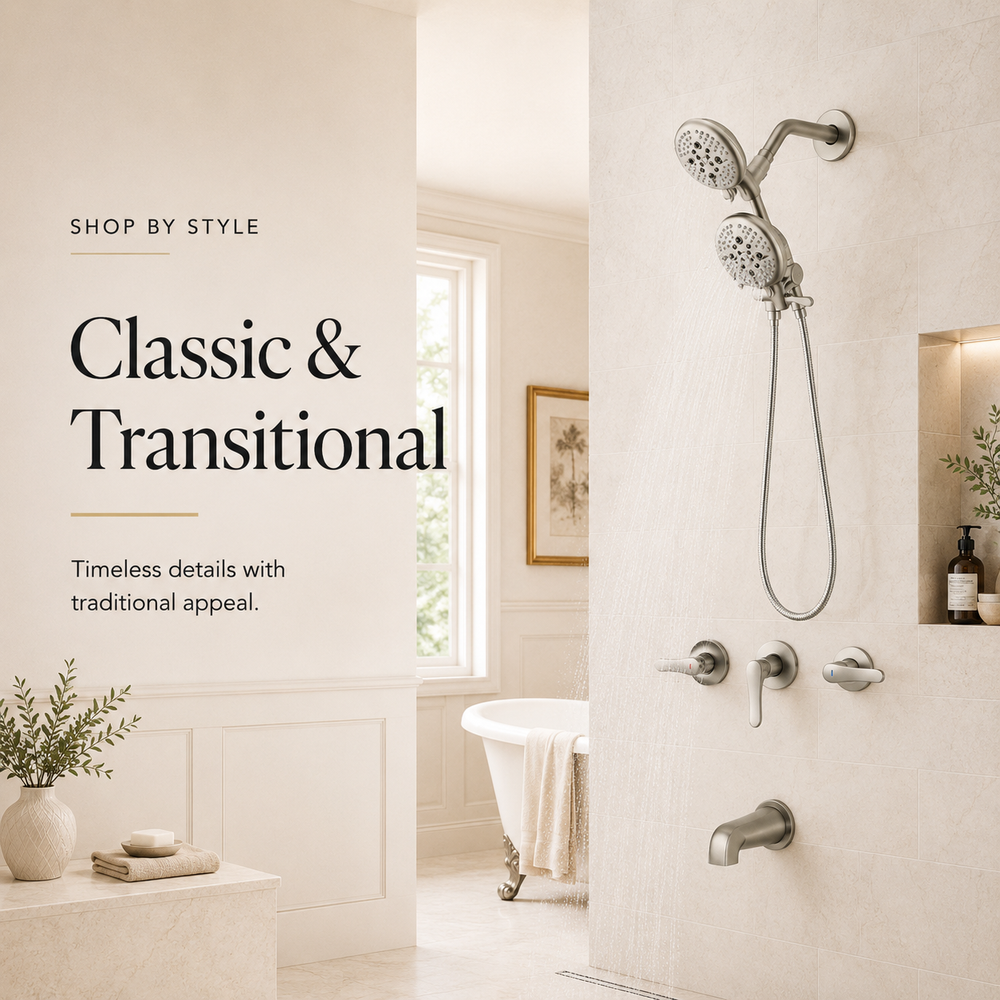
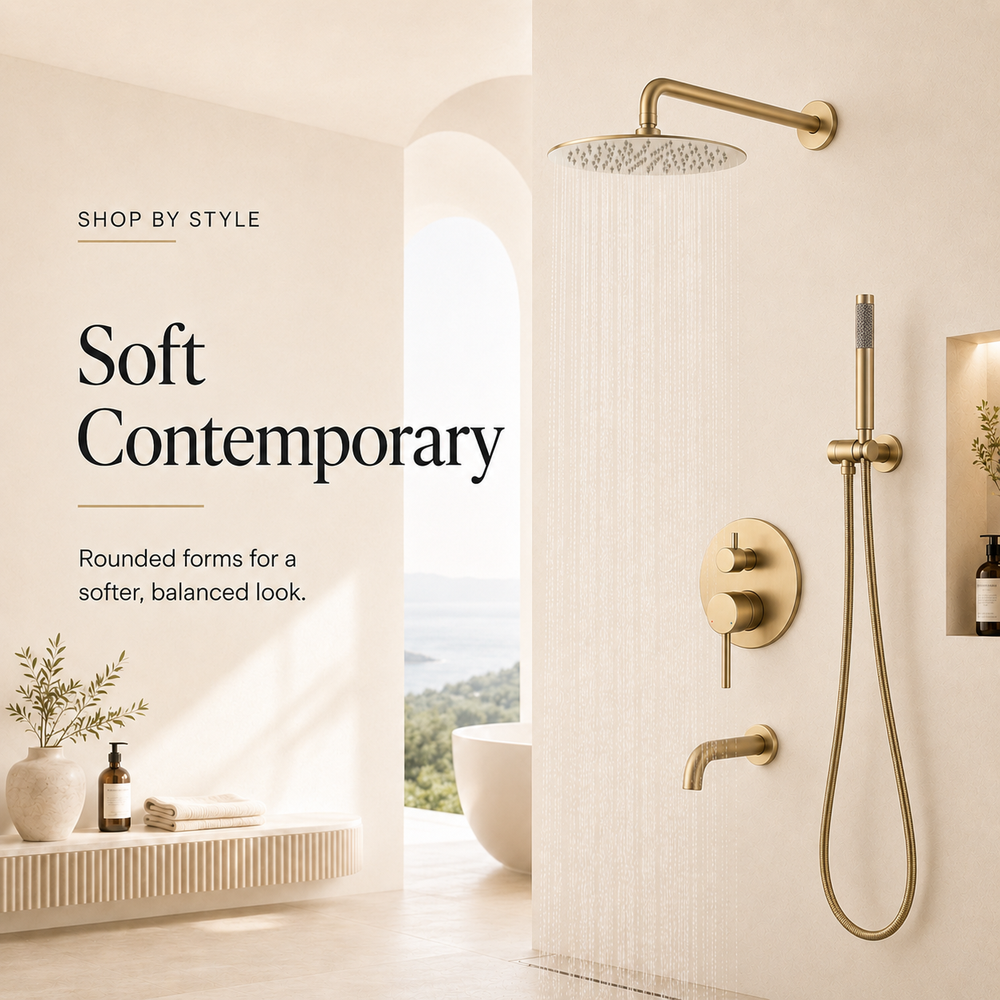
Although the bathroom has limited space, the style expression is extremely strong. As a visual focus, the appearance design of the freestanding washbasin vanity should be consistent with the overall style of the bathroom. Common matching suggestions are as follows:
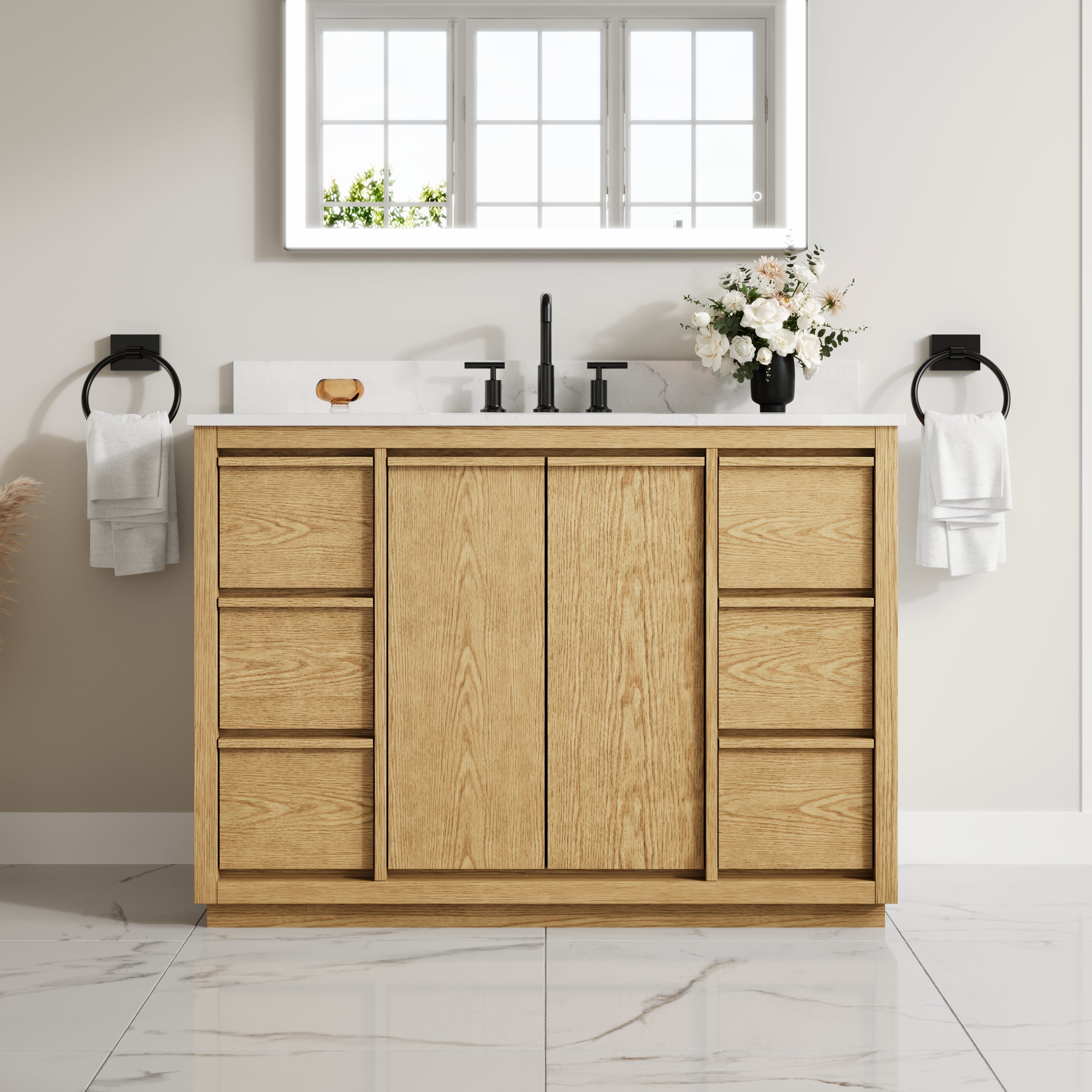
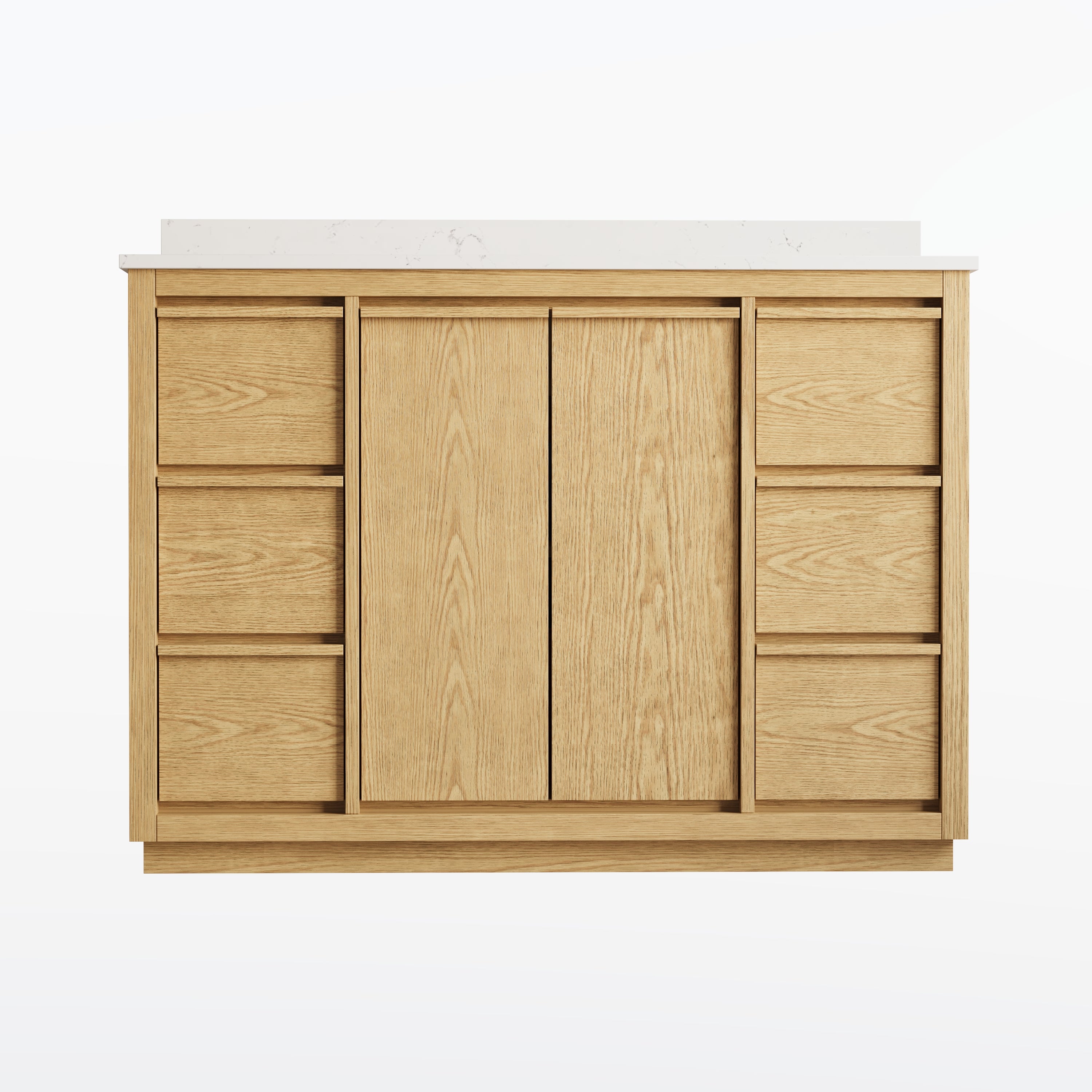
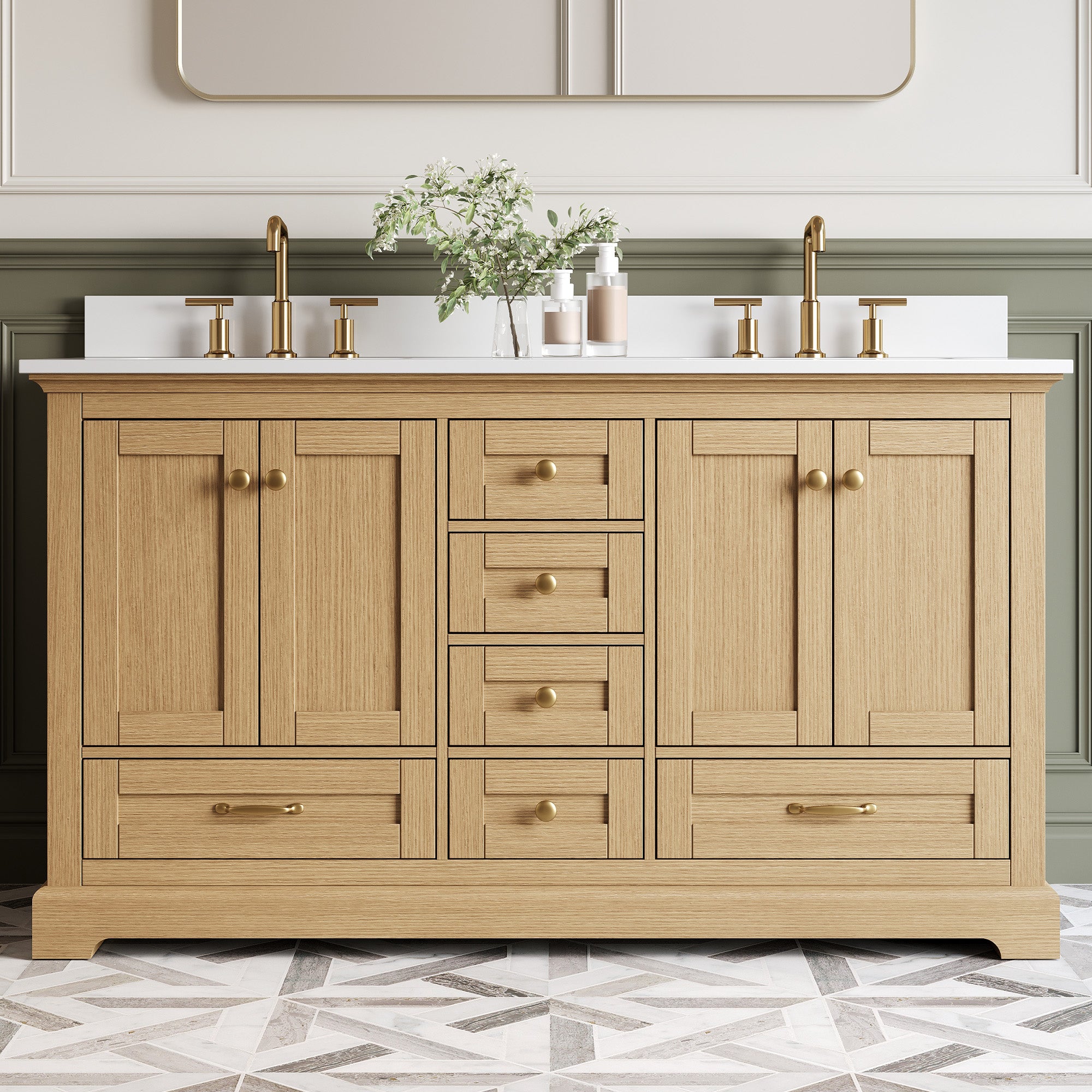
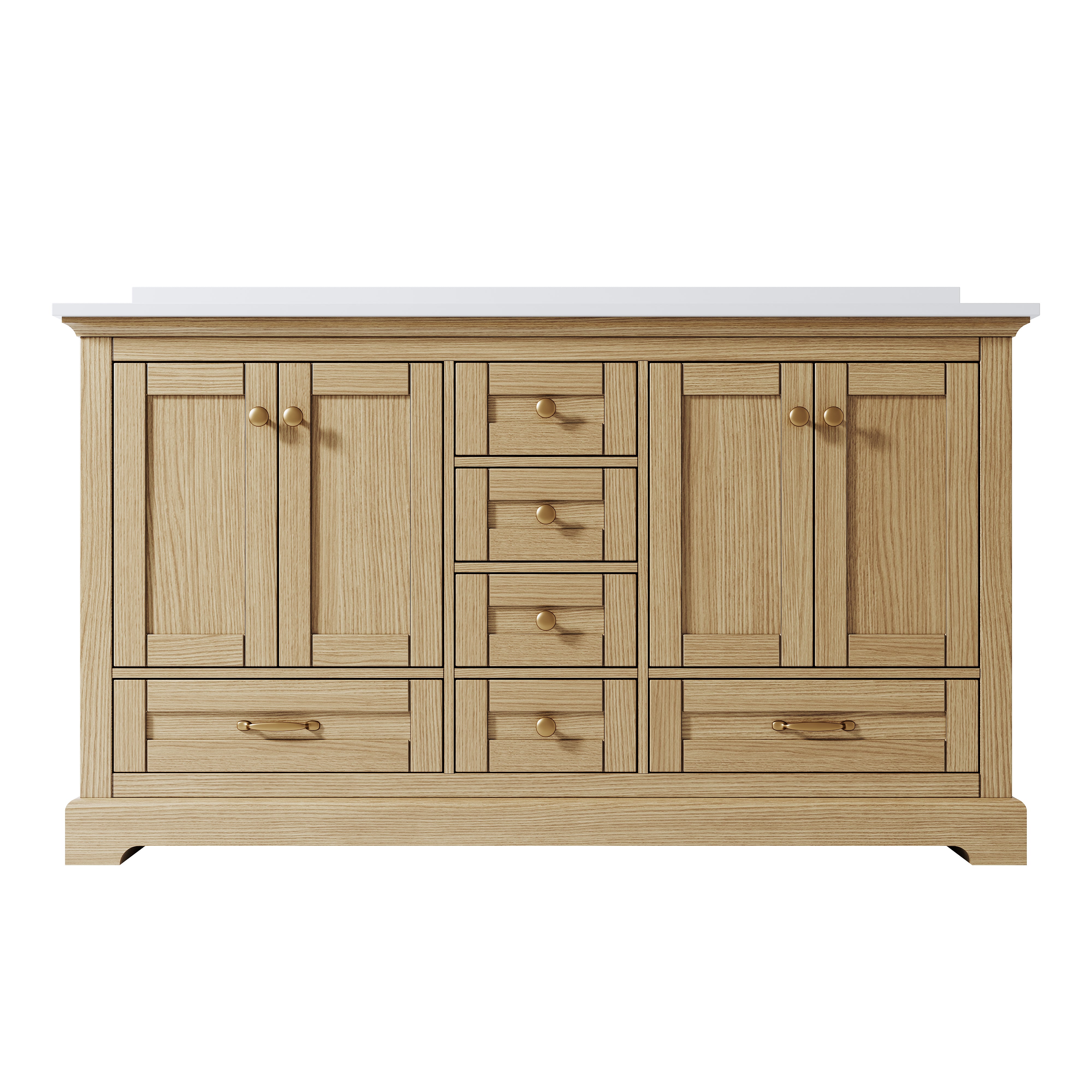
Nordic simplicity: white oak, linen grey, matte white, with thin foot structure.
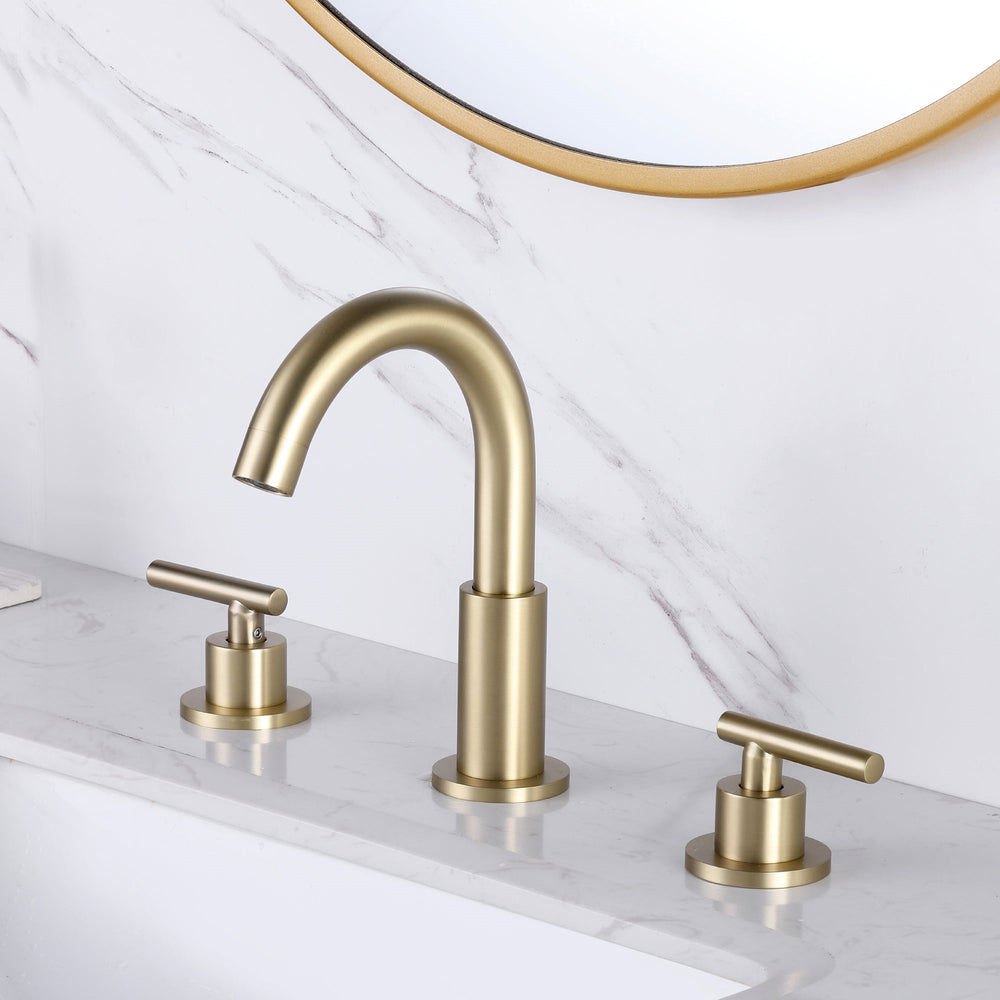
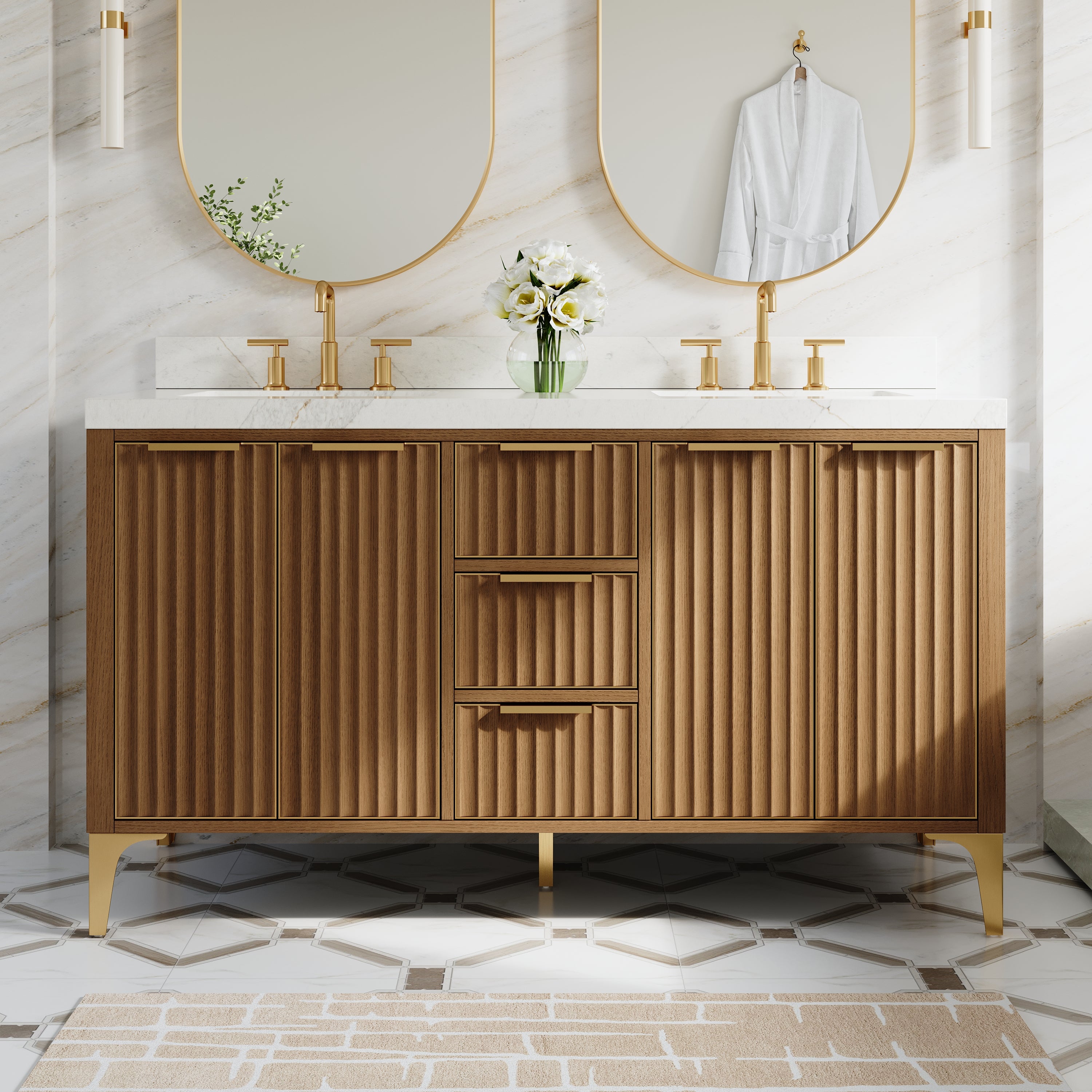
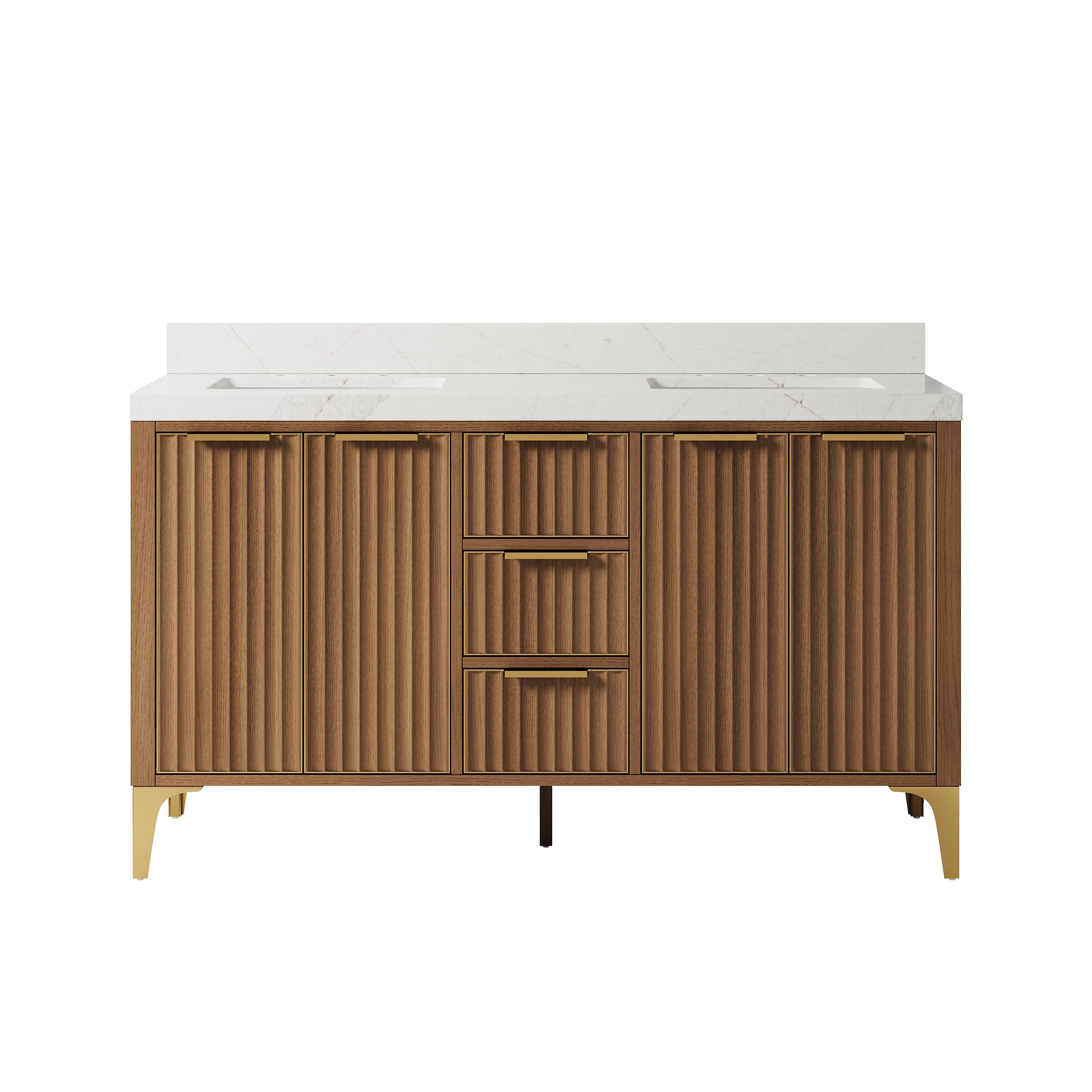
Modern light luxury: painted panel + metal handle, black, white and grey as the main colours.
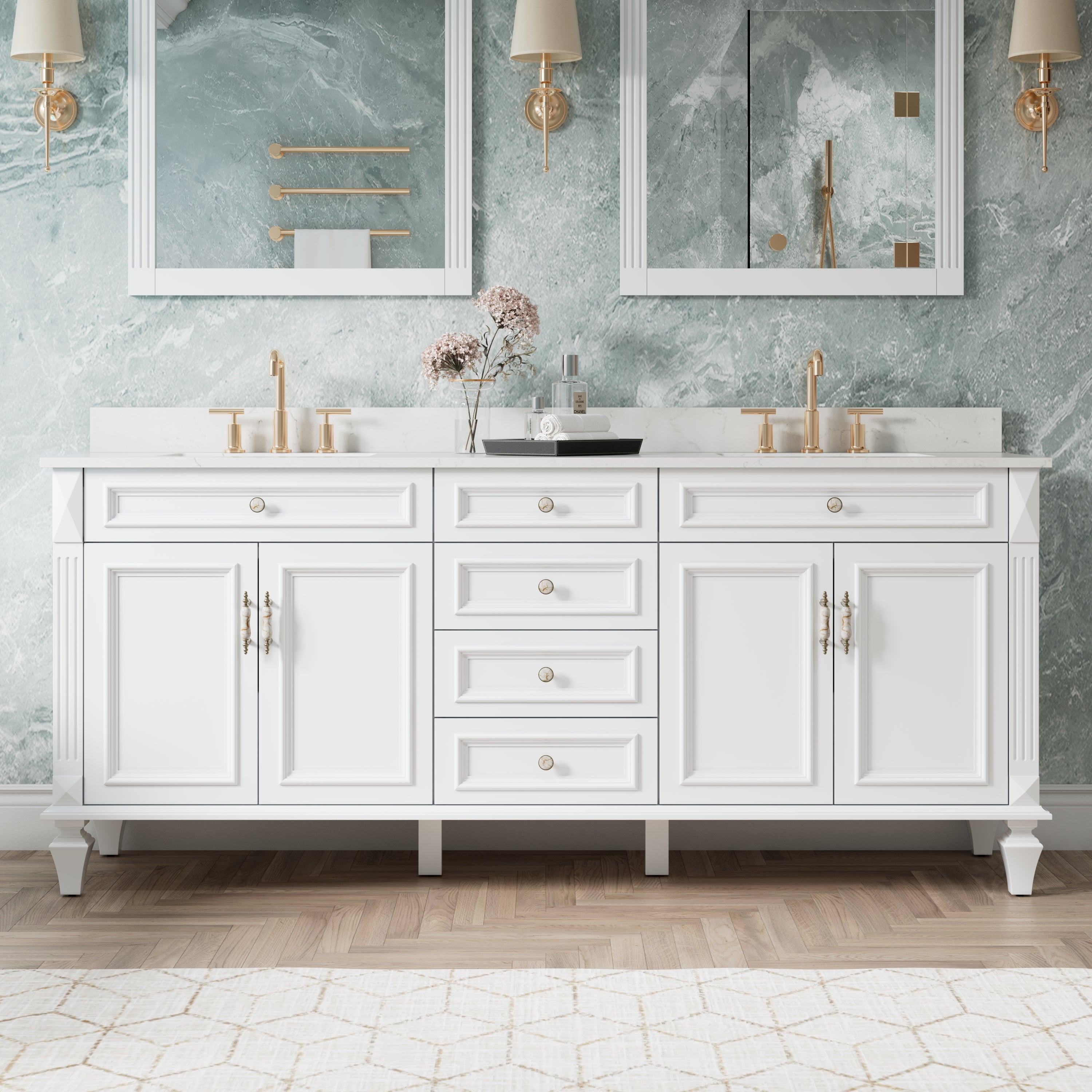
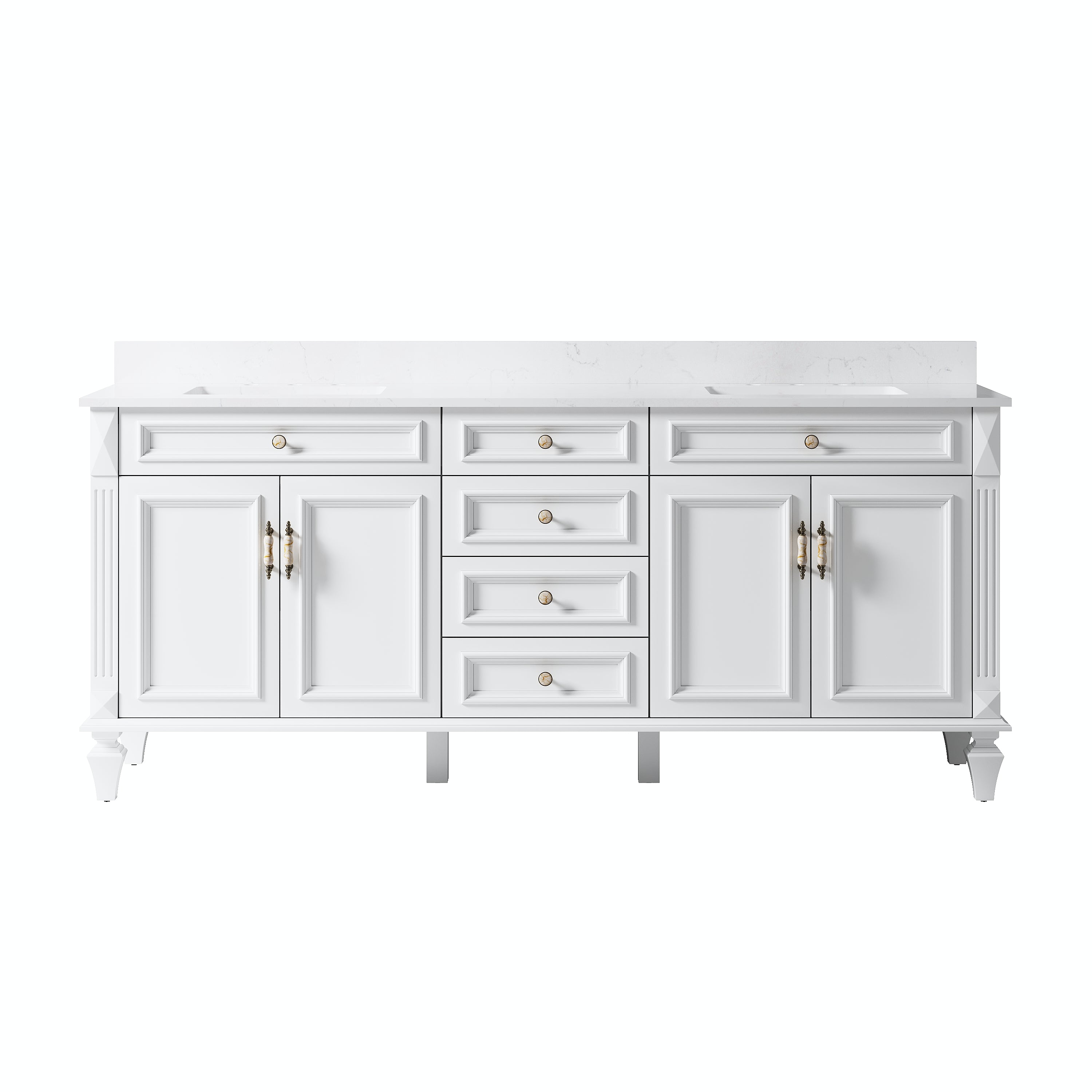
Retro-American style: solid wood vanity, carved footline, antique copper accessories.
Industrial style: black steel frame + solid wood board, exposed water pipe design.

4. Storage optimization: taking into account functionality and neatness
A good washbasin is not only a washing platform but also a core unit for bathroom storage. Independent washbasin vanities usually have a strong adjustable structure, and their internal and surface space should be fully utilized:
- Drawer storage: suitable for classified placement of cosmetics and daily toiletries to avoid clutter on the countertop.
- Open grid or side vanity: suitable for placing towels, green plants or aromatherapy to enhance the level of space.
- Built-in power socket: convenient for the use of electrical appliances such as hair dryers and shavers, more humane.
- Hidden handle design: simple and beautiful, but also avoids bumps.
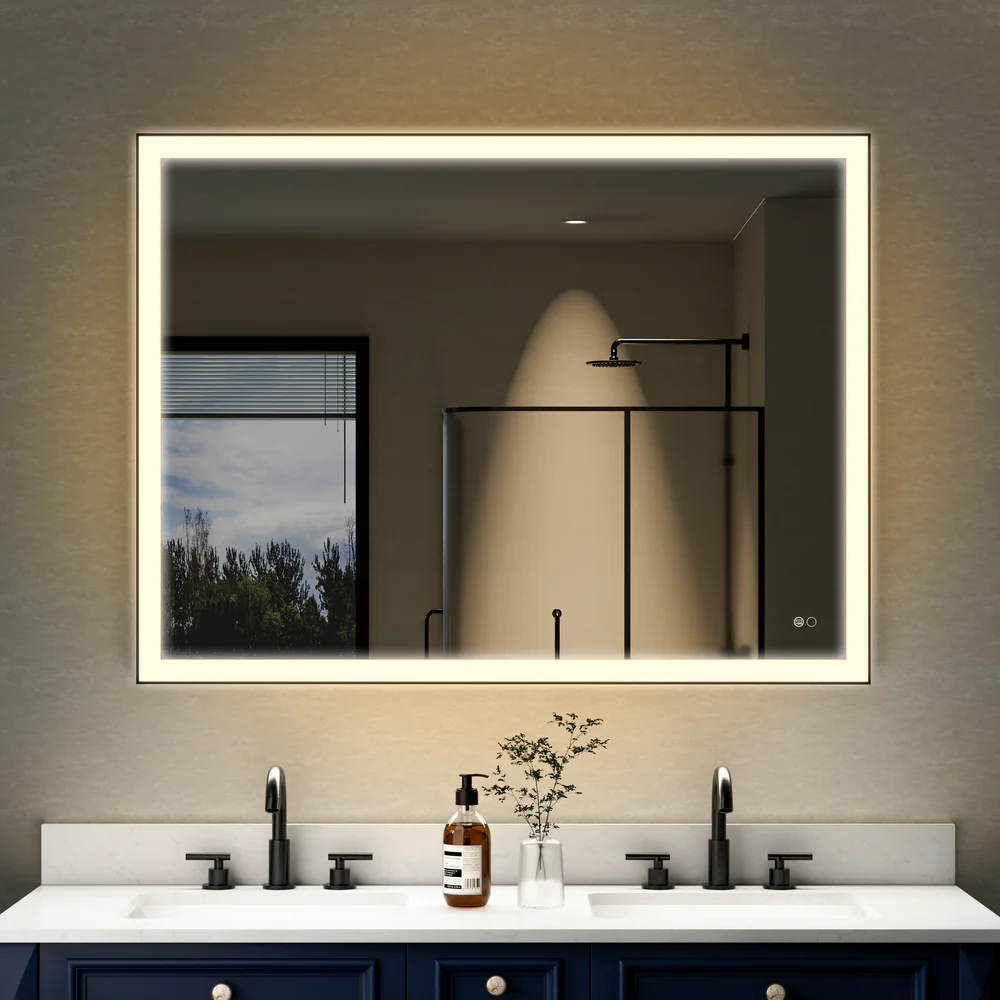
5. Lighting and mirror matching: creating a wash area with both practicality and atmosphere
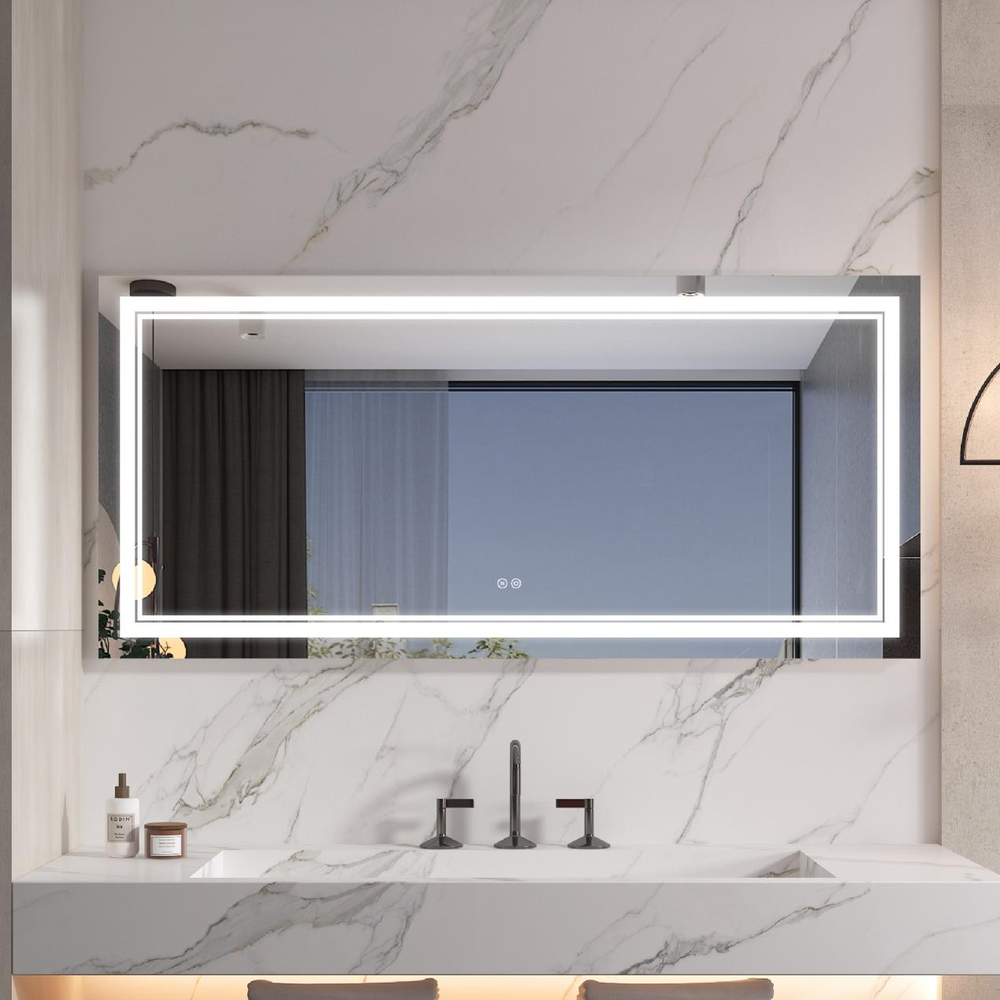
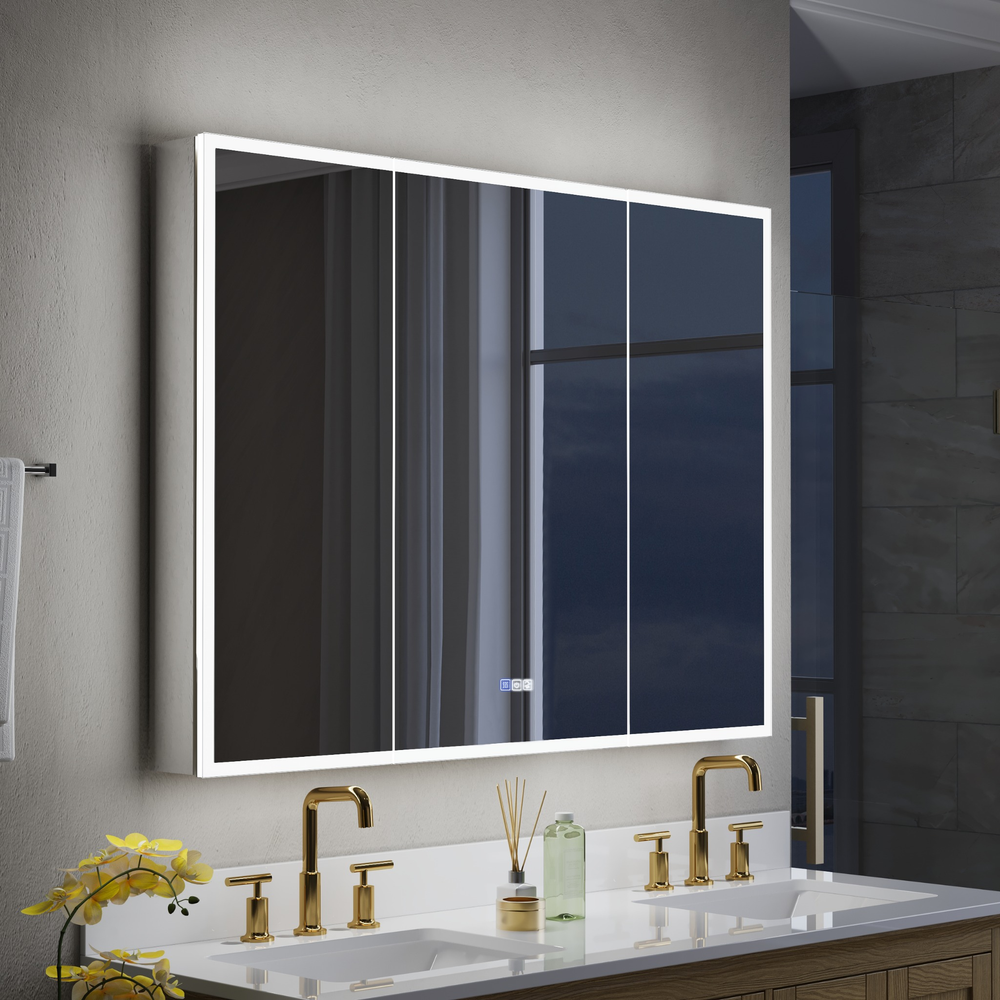
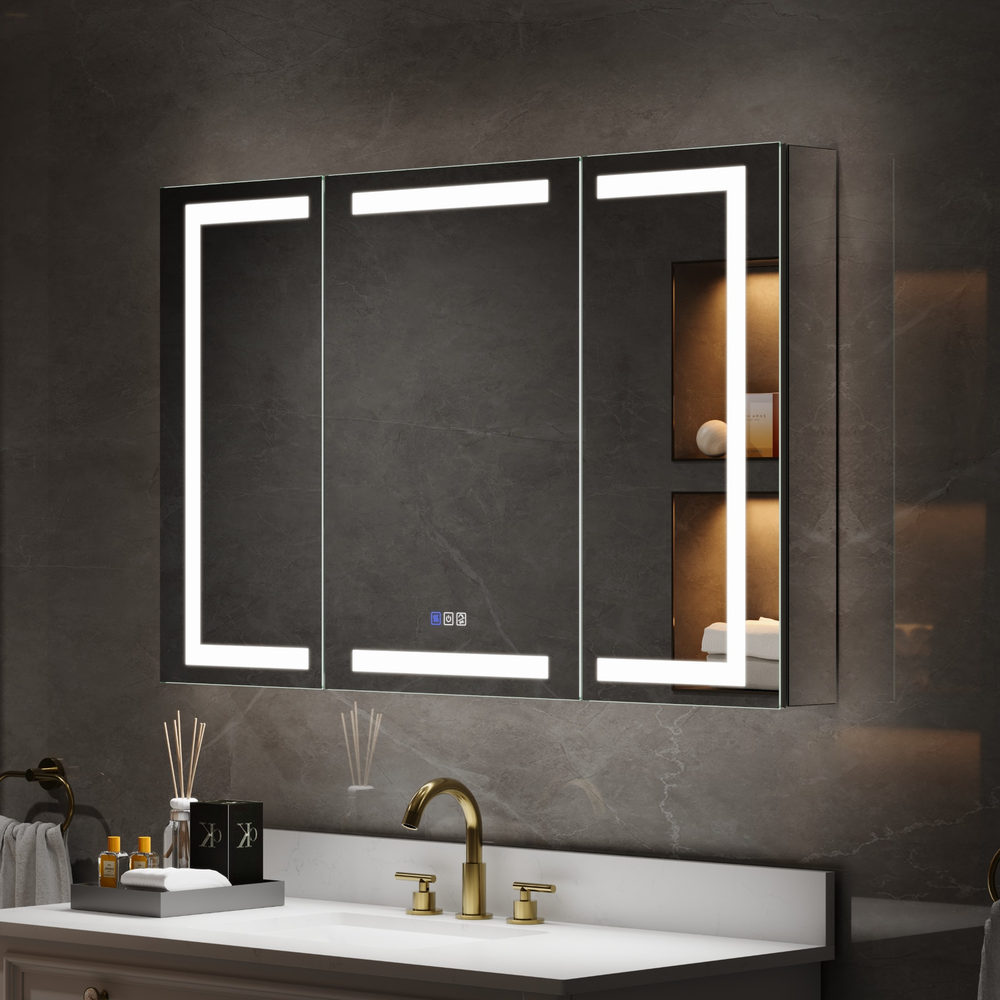
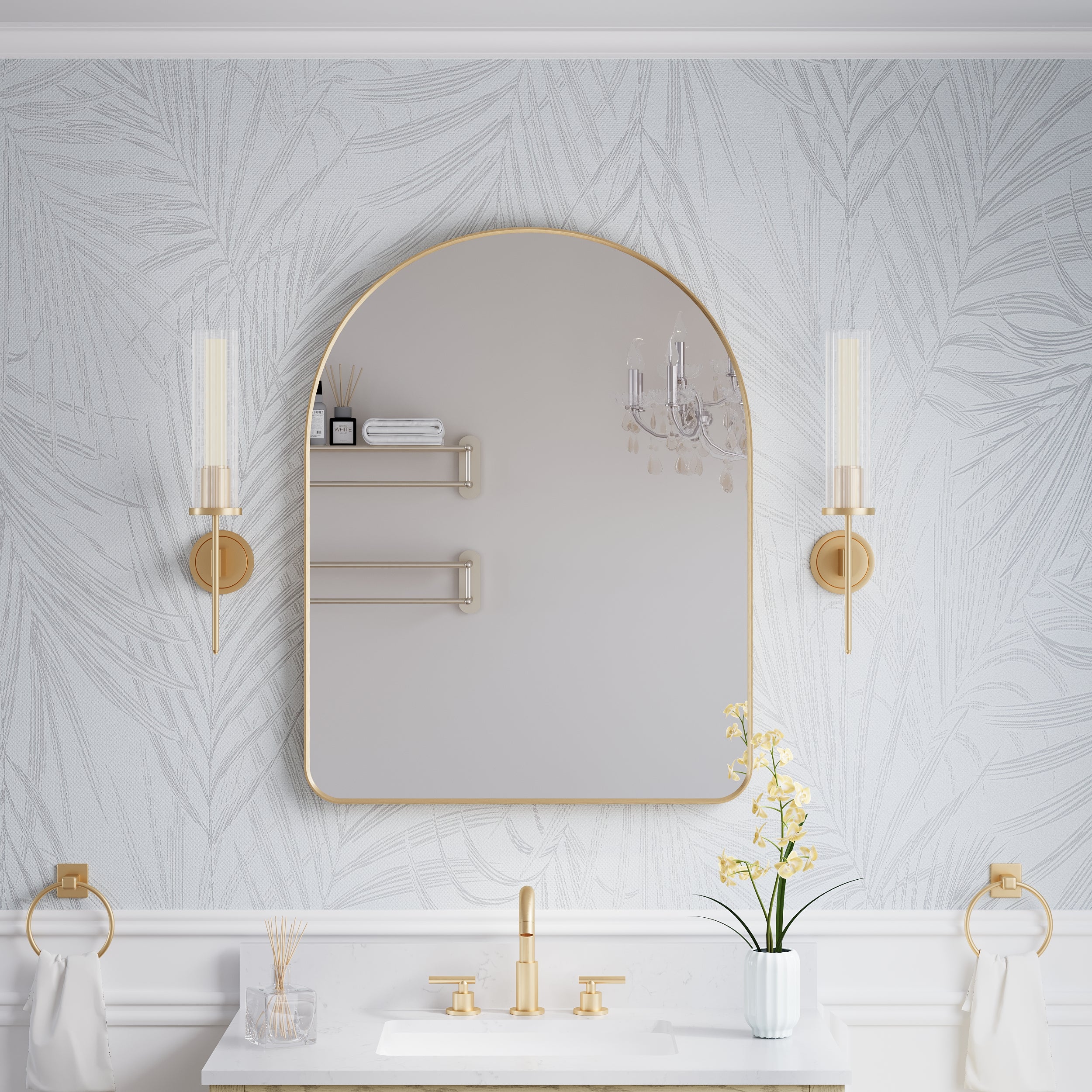
In addition to the washbasin itself, the design of mirrors and lighting has a decisive influence on the overall layout effect. Reasonable mirror and lighting combination can not only improve the convenience of washing but also create a warm and comfortable space atmosphere.
Suggestions:
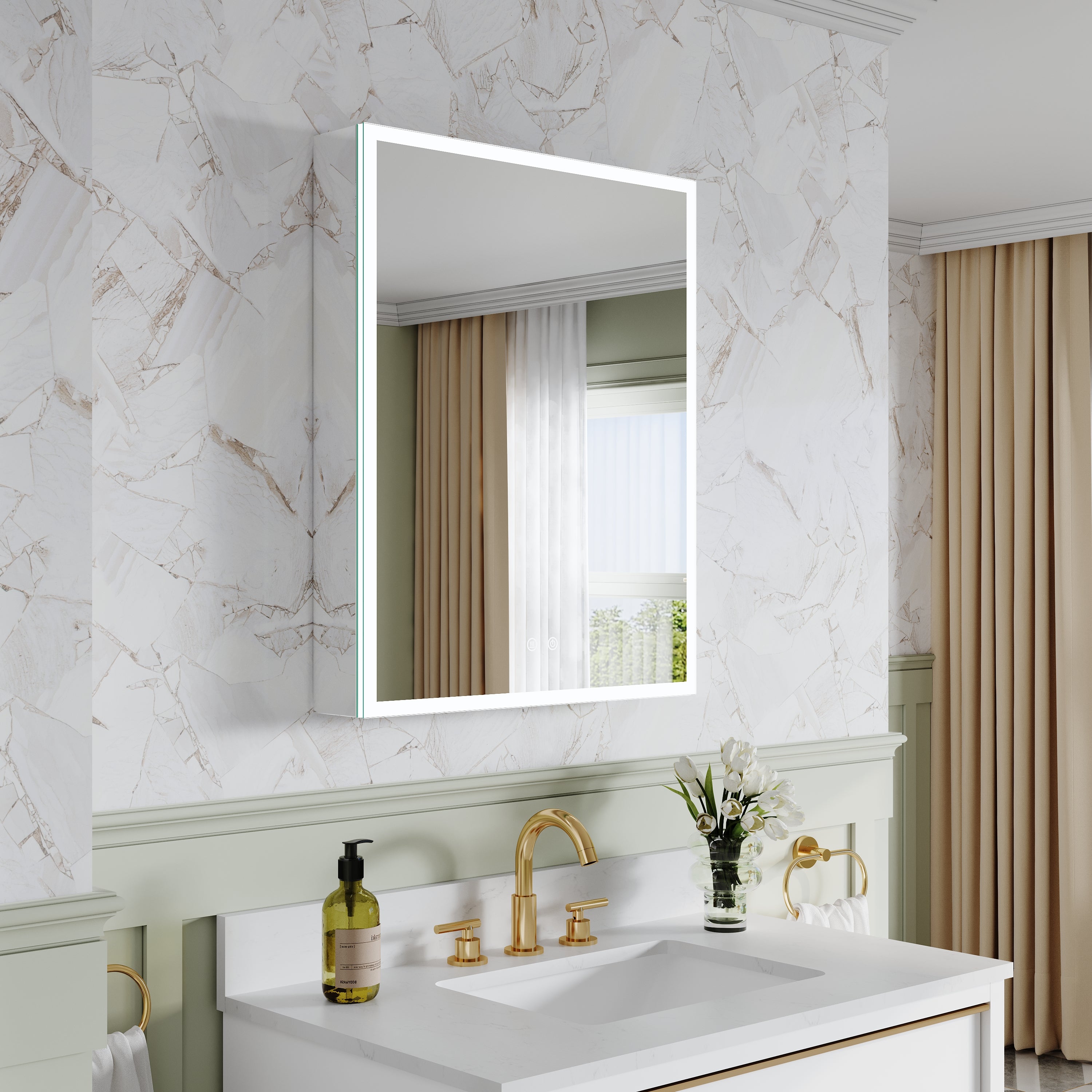
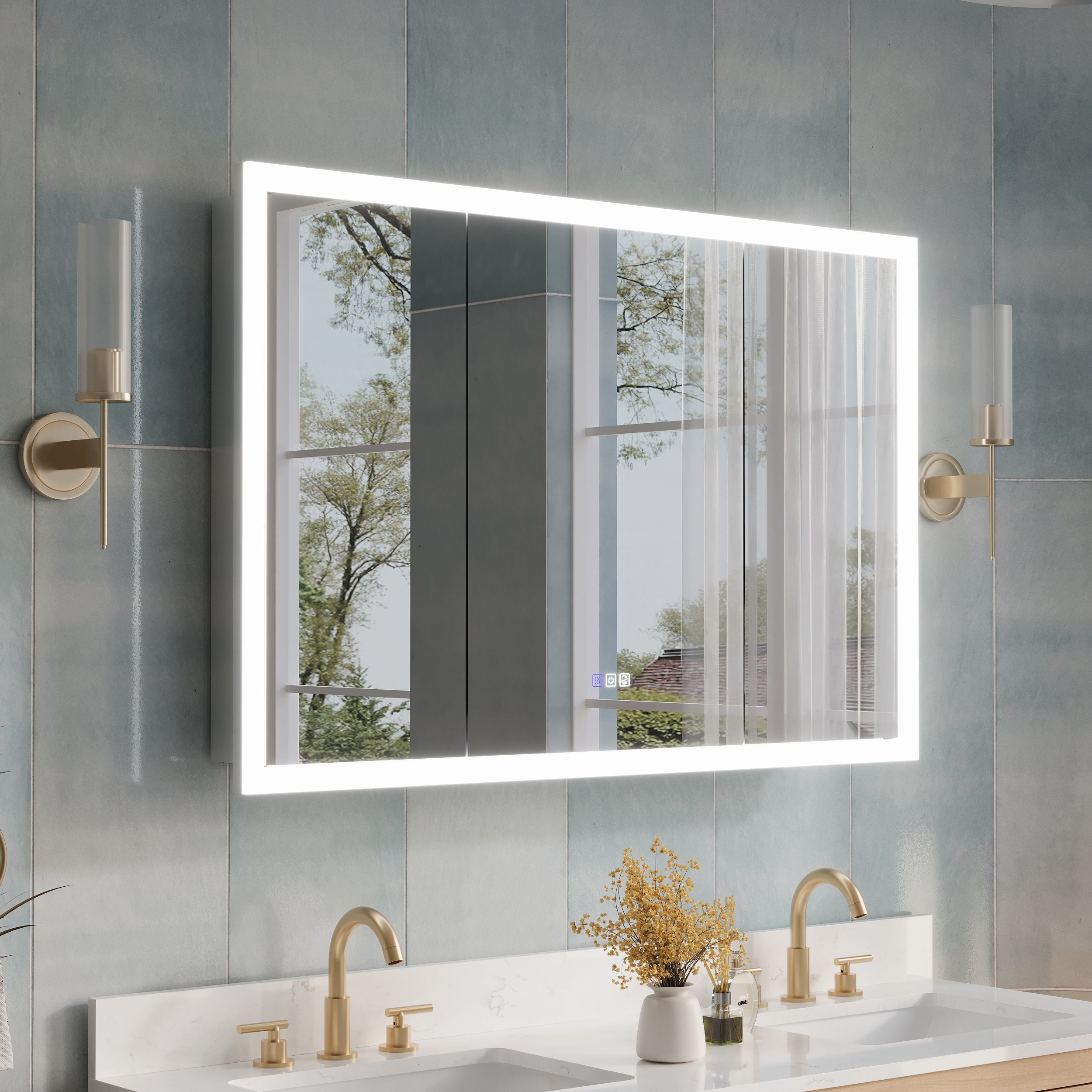
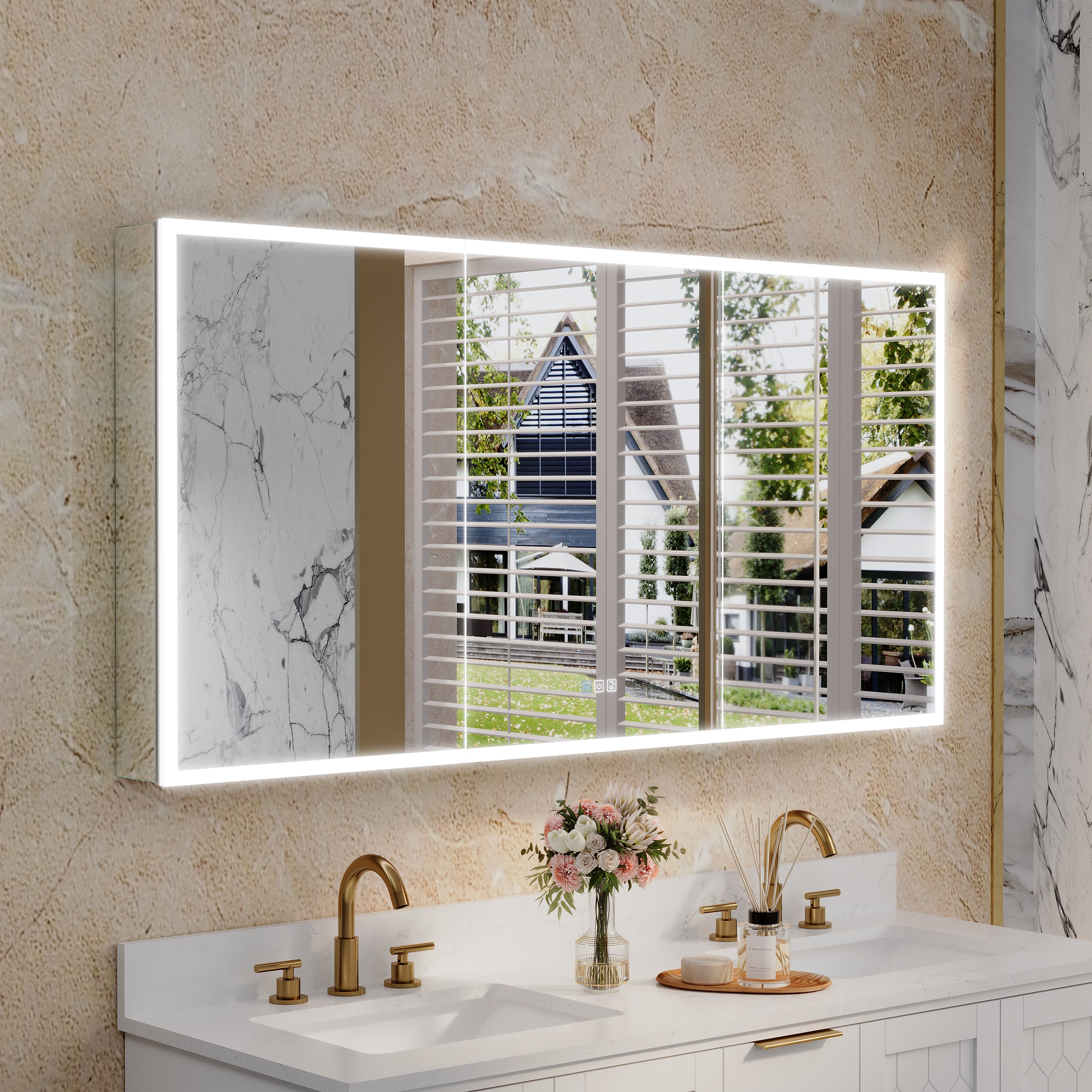
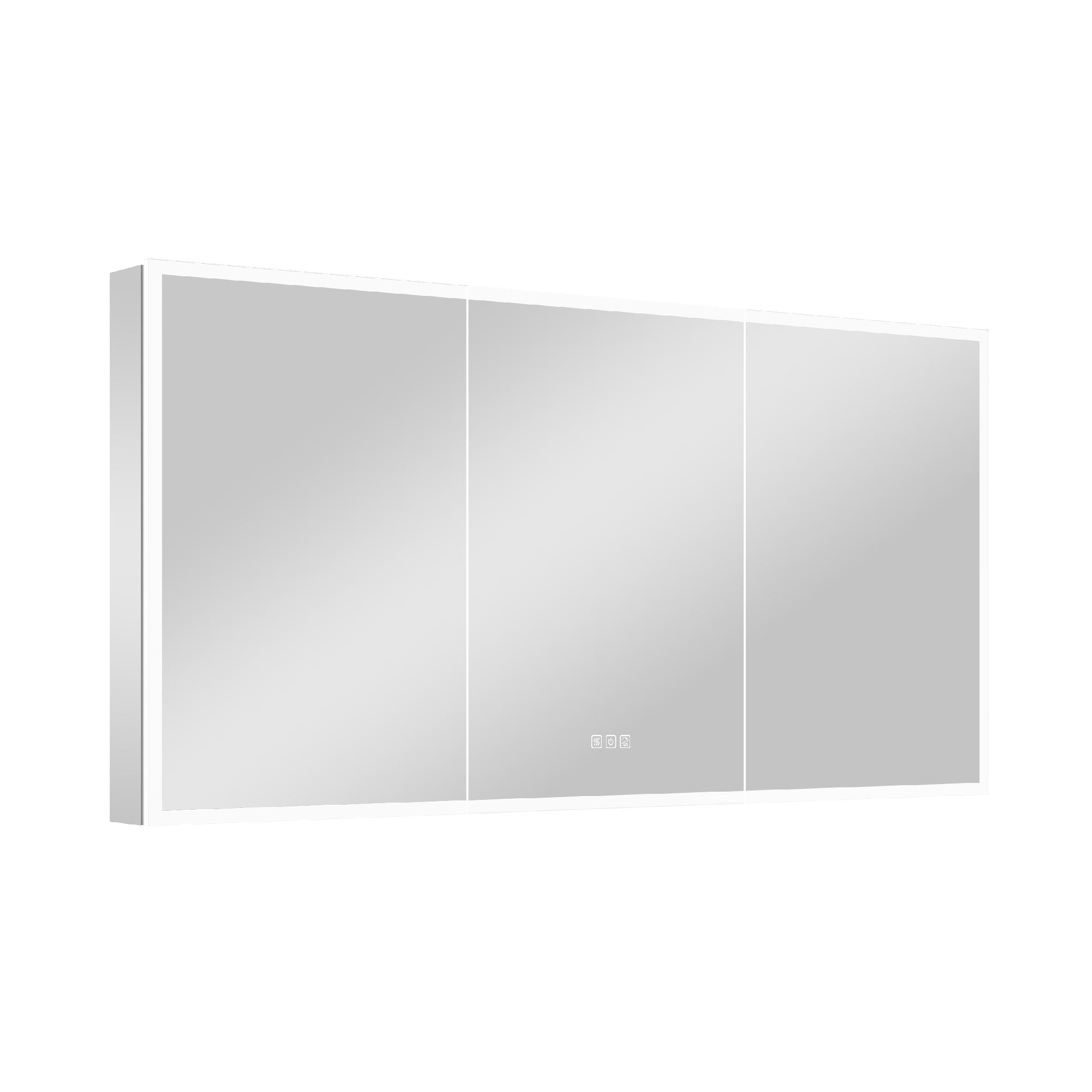
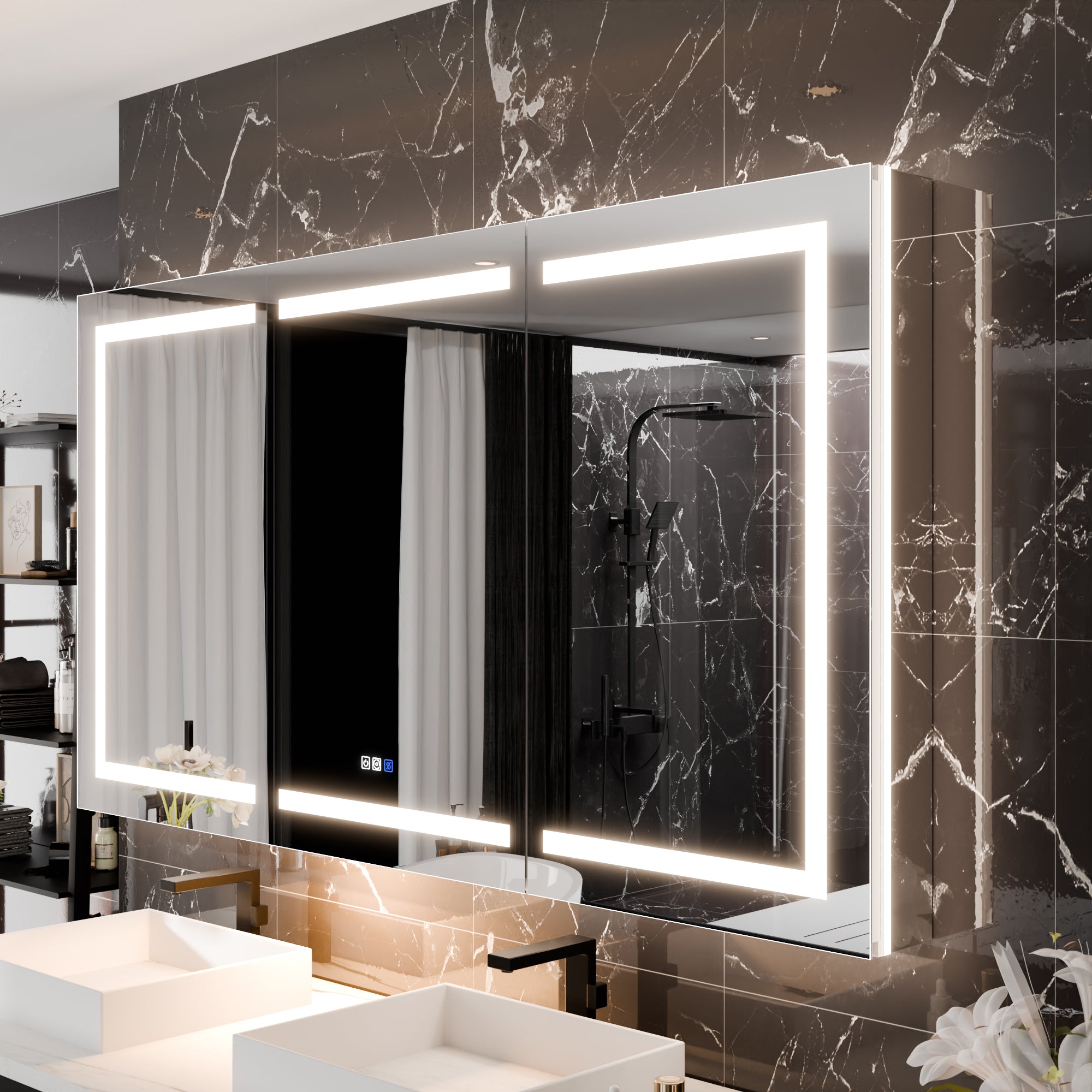
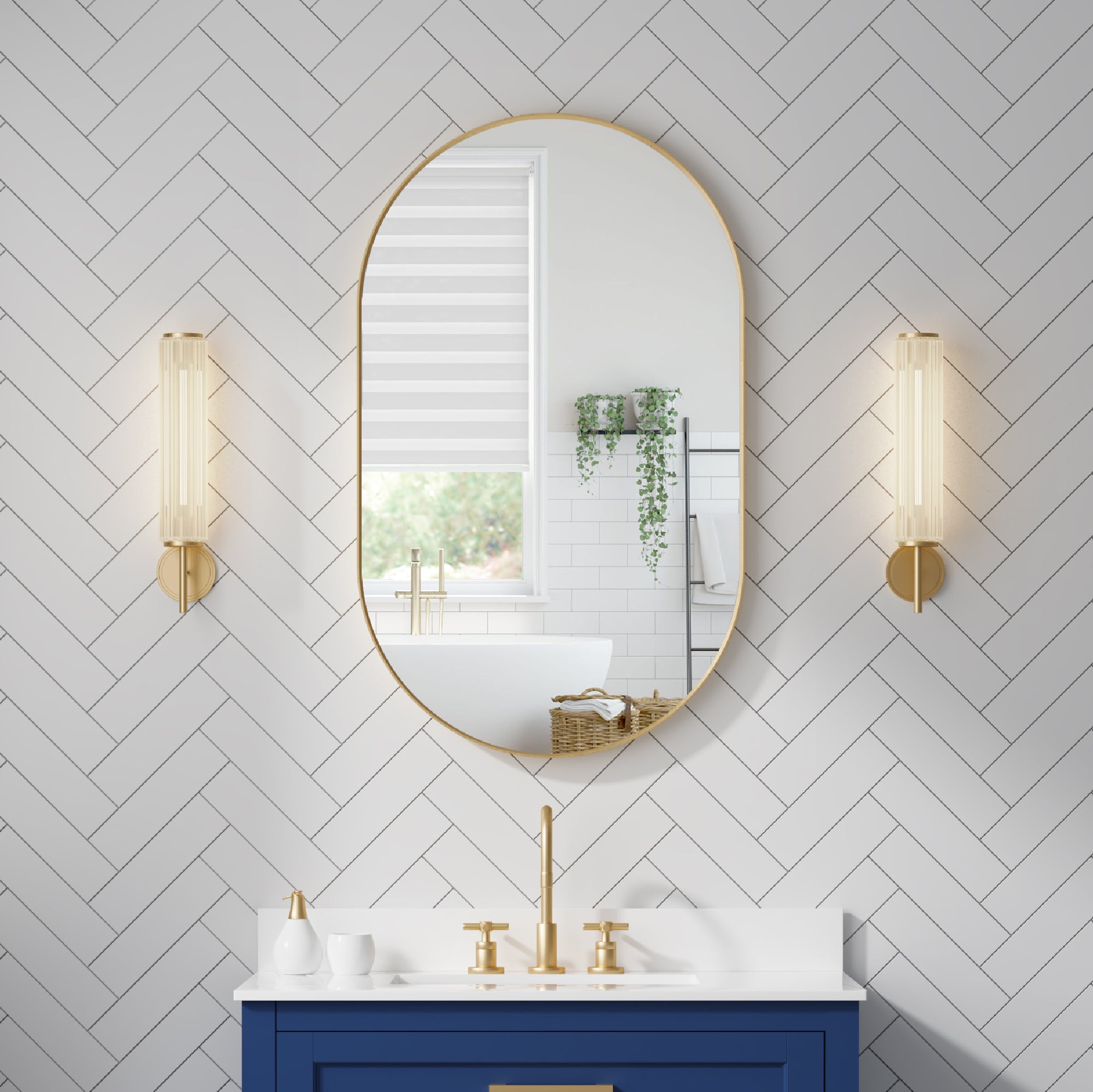
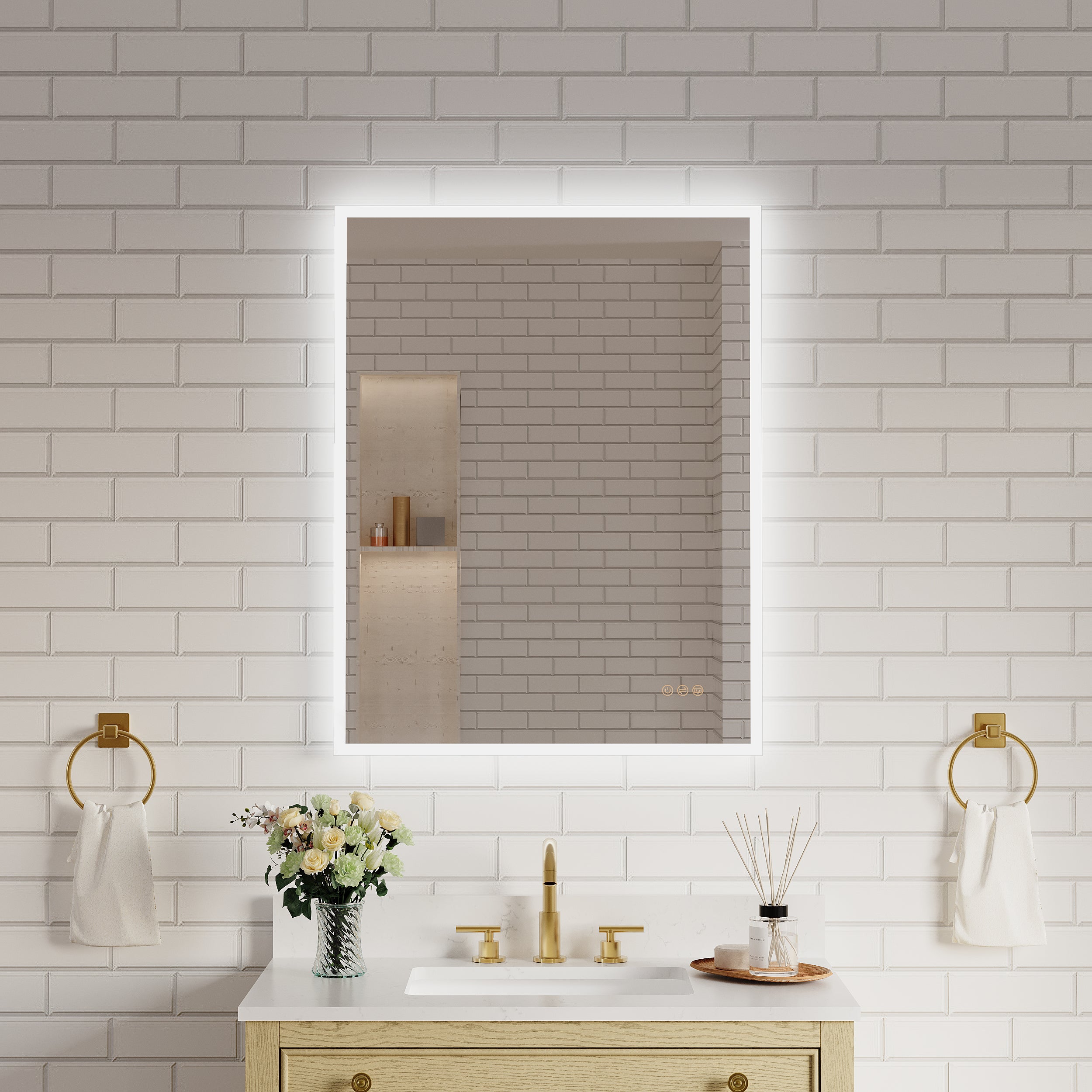
- Choose a lighted mirror or a mirror front light, and control the colour temperature at around 4000K, which is neither too cold white nor dim.
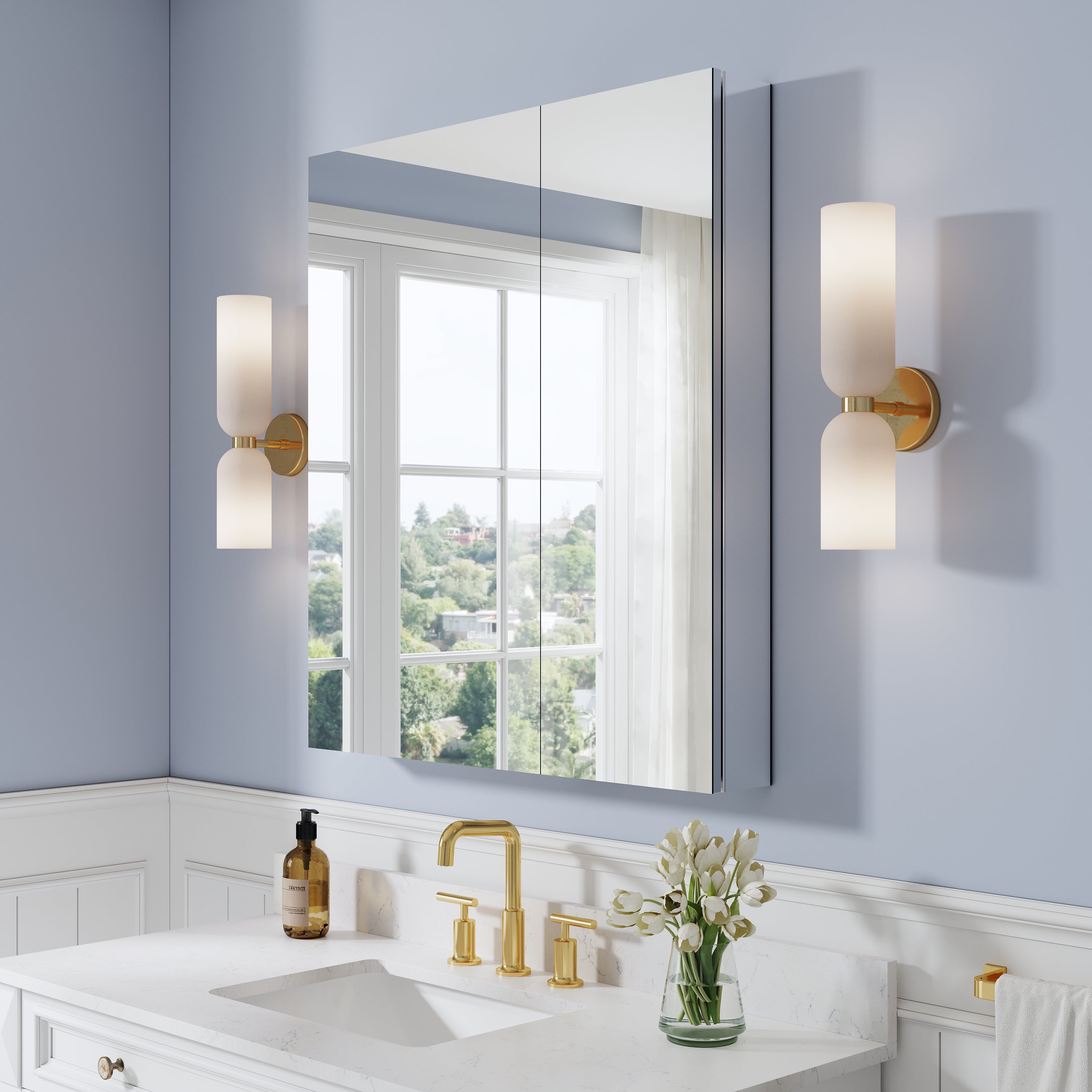
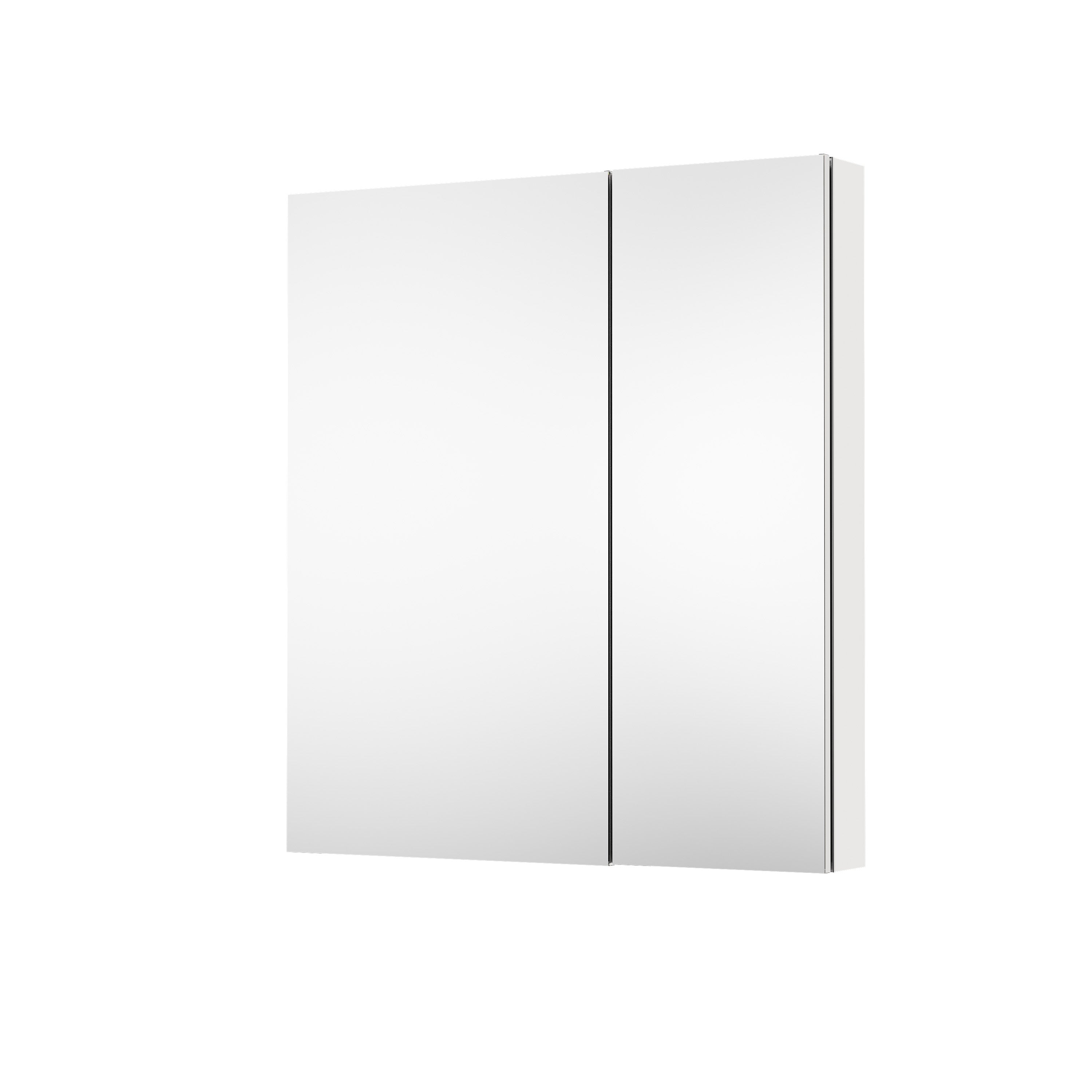
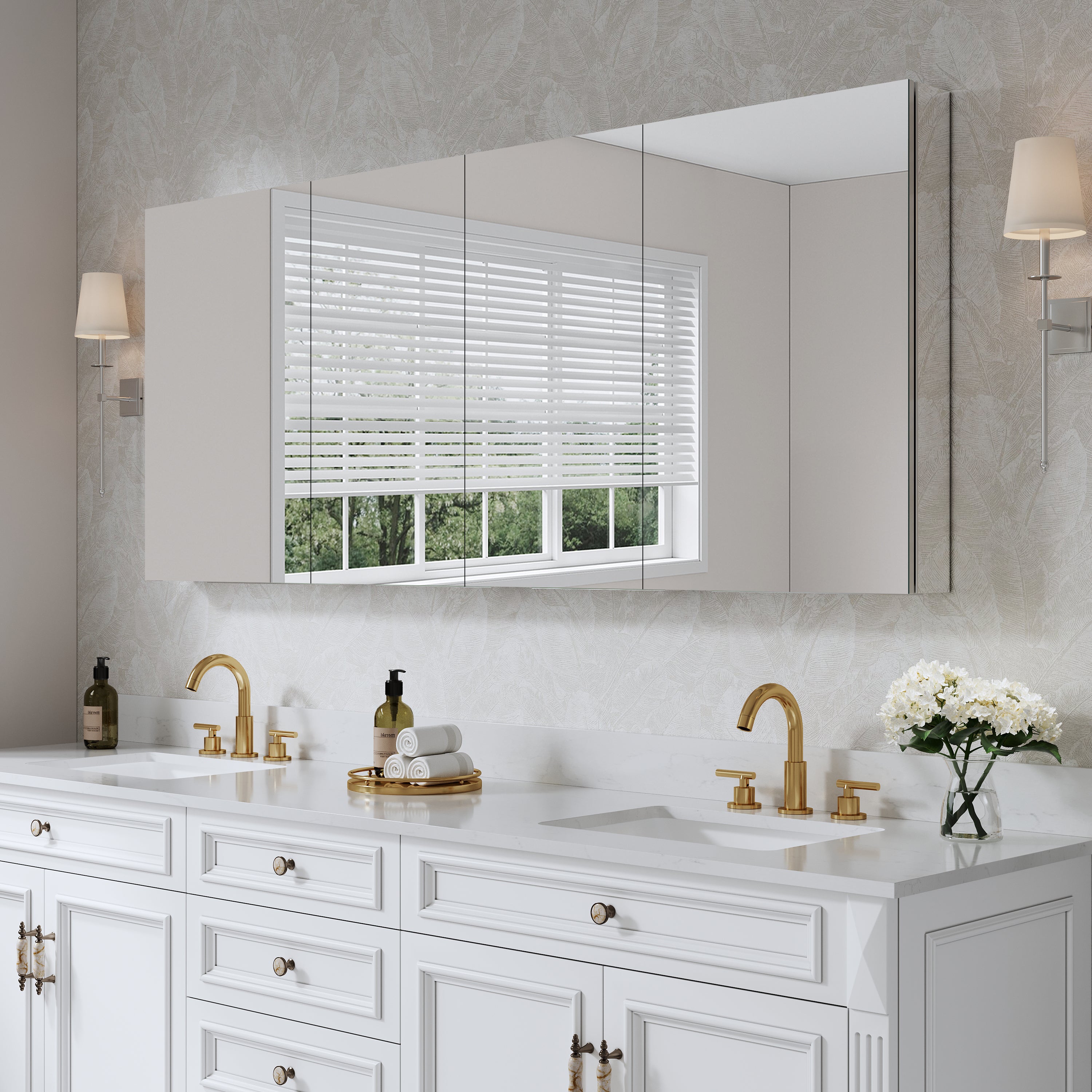
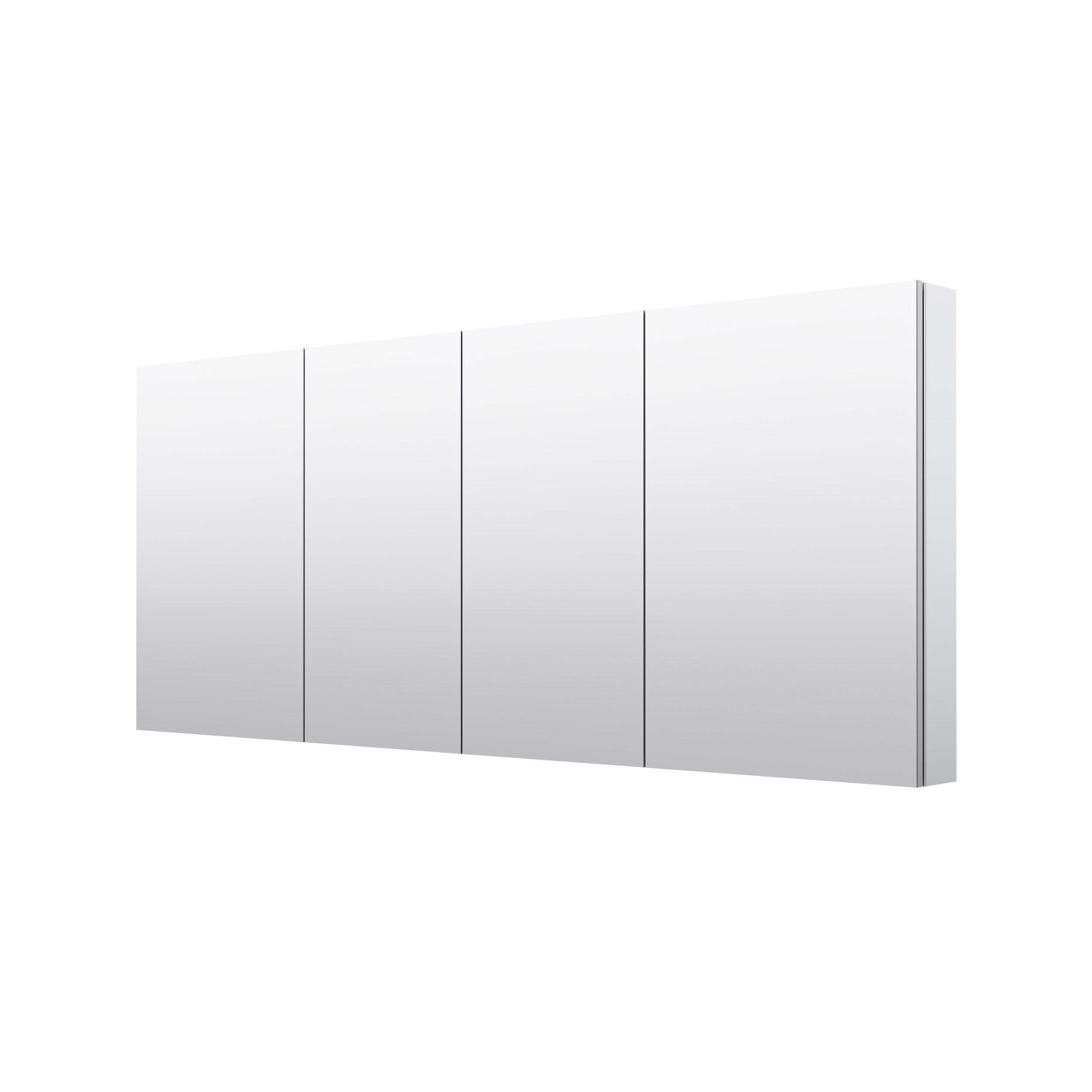
- The size of the mirror should be aligned with the wash vanity or slightly wider to enhance the sense of symmetry.
- If space permits, consider adding side lights or atmosphere lights to enhance the night-use experience.
6. Installation and daily maintenance
Although the installation of a stand-alone wash vanity is relatively simple, the following matters still need to be noted:
- The ground should be levelled to avoid shaking of the vanity or misalignment of the door gap.
- All hardware should be installed firmly, and the connection between the basin and the vanity should be tightly sealed to prevent water seepage.
- The vanity material should have moisture-proof and mildew-proof properties, especially for installation environments close to wet areas.
Regularly checking the sealant on the edge of the basin and cleaning the accumulated water and mildew inside the vanity can greatly extend the service life.
Conclusion: Balance beauty and practicality to create an ideal bathroom experience
The biggest advantage of a freestanding bathroom vanity is its flexible, independent and personalized design possibilities. Whether you are pursuing minimalist modernity, retro elegance, or a small and practical layout, through reasonable space planning, style matching and detail design, you can create an ideal bathroom environment that takes into account functionality, aesthetics and comfort.
Choosing a suitable freestanding vanity is not merely an aesthetic upgrade—it is a deliberate investment in daily well-being, a quiet promise that every hurried morning and every slow evening ritual will unfold against a backdrop of order, beauty, and ease.













Leave a comment
This site is protected by hCaptcha and the hCaptcha Privacy Policy and Terms of Service apply.