






















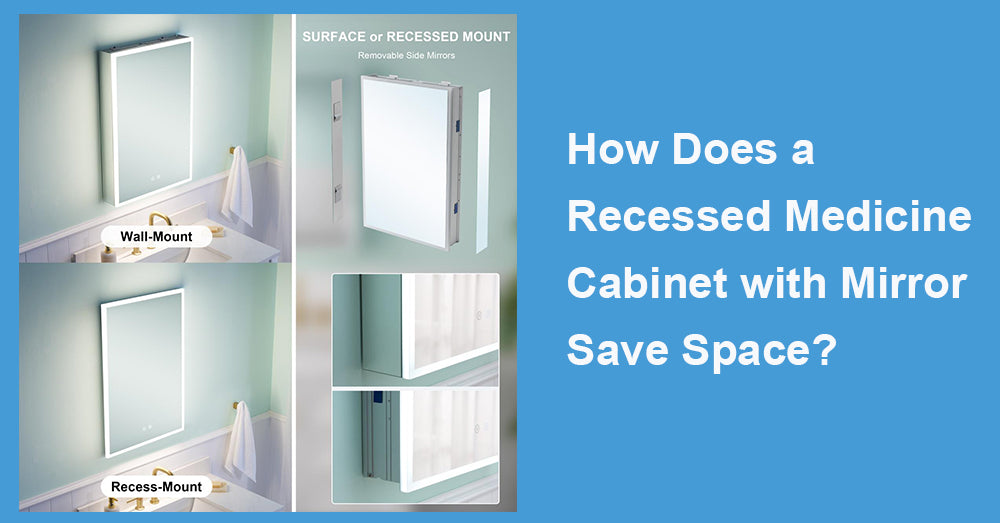
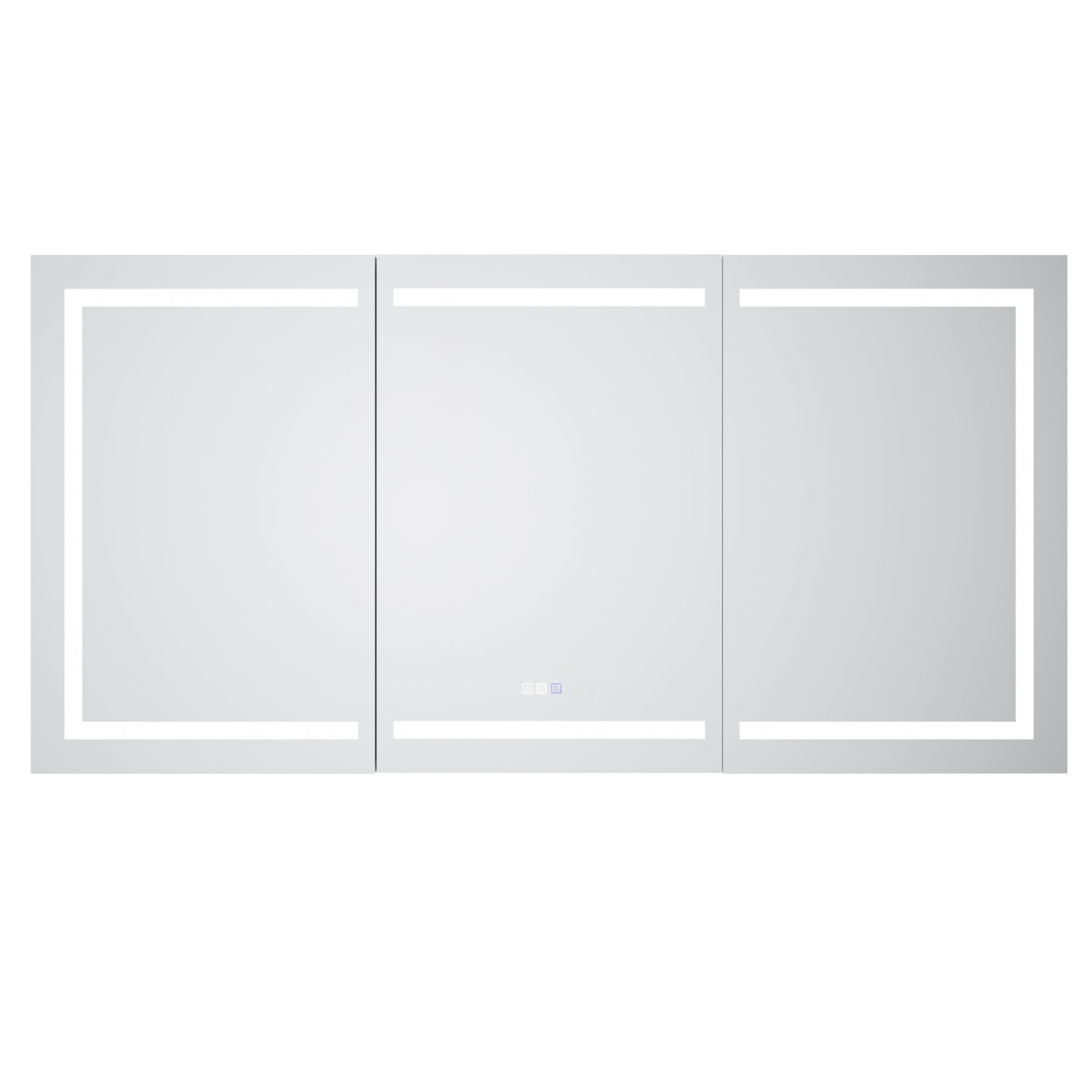
A recessed medicine cabinet with mirror is one of the most efficient ways to add bathroom storage without making the room feel more crowded. Instead of projecting several inches from the wall like a traditional surface-mounted cabinet, most of the cabinet body sits inside the wall cavity. You still get a full mirror and useful shelving, but the storage is tucked away where it takes up very little visible space. In smaller bathrooms, that difference is easy to appreciate.
After years of working with bathroom fixtures, I have found that homeowners often underestimate vertical storage. They focus on vanity drawers and floor cabinets first, even though the wall above the sink may offer some of the most convenient storage in the room.
1. Why a Recessed Medicine Cabinet with Mirror Saves More Usable Space
The main advantage is simple: the cabinet uses space inside the wall instead of extending significantly into the bathroom.
A surface-mounted cabinet can work perfectly well, but its depth is always visible. In a narrow bathroom, that projection may make the vanity area feel tighter than it really is. A recessed cabinet keeps the front profile much flatter.
This is particularly useful in powder rooms, small apartments, guest bathrooms, and narrow primary bathrooms.
The mirror also replaces the separate wall mirror you would normally need. One fixture performs two jobs, while the shelves behind it store toiletries, skincare products, razors, medications, and other everyday items.
2. Better Storage Does Not Always Mean a Bigger Cabinet
One of the most common mistakes I see is assuming that maximum storage requires the largest possible cabinet.
It does not.
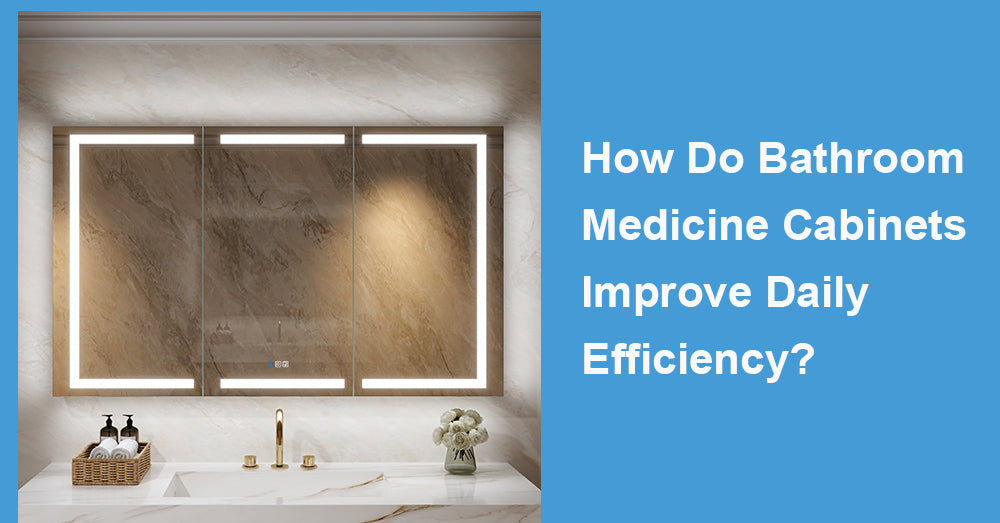
Good bathroom storage is about accessibility as much as capacity. A medicine cabinet places smaller items near eye level, where they are easier to see and reach.
That can be more practical than a deep vanity drawer filled with bottles, tubes, and grooming tools stacked on top of one another.
Shallow Shelves Can Be an Advantage
Medicine cabinet shelves are usually not very deep, and some buyers initially see this as a limitation.
For everyday toiletries, shallow shelves can actually work better.
Products remain visible instead of disappearing behind one another. Toothpaste, shaving supplies, skincare bottles, contact lens products, and first-aid items can each have a clear place.
Adjustable shelves are especially useful because bottle heights vary considerably.
3. A Cleaner Vanity Can Make the Bathroom Feel Larger
Visual clutter affects how spacious a bathroom feels.
When the countertop is covered with bottles, makeup, toothbrushes, and personal-care products, even a reasonably large vanity can look cramped. Moving those items behind a mirrored door immediately creates a cleaner surface.
That does not increase the room's square footage, of course.
It simply makes better use of the space you already have.
From a design perspective, recessed cabinets also suit modern bathrooms because very little hardware needs to remain visible. When installed correctly, the mirror can appear almost flush with the wall.
4. The Wall Determines Whether Recessed Installation Is Practical
This is where buying decisions need to become more realistic.
A recessed medicine cabinet cannot simply be installed anywhere you want.
The wall may contain plumbing pipes, electrical wiring, ductwork, or structural framing. Stud spacing can also affect the size and placement of the opening.
I always recommend checking wall conditions before ordering a cabinet based solely on appearance.
If major plumbing or electrical work is required to create the recess, the installation cost can quickly outweigh the space-saving benefit.
In that situation, a surface-mounted cabinet may be the smarter choice.
5. Measure More Than the Cabinet Opening
Accurate measurements are essential.
You need to consider the rough opening required by the manufacturer, but that is only part of the job.
Measure the vanity width, sink position, faucet height, backsplash, ceiling clearance, and any lighting fixtures around the cabinet.
Check the Door Swing
This detail is frequently overlooked.
A mirrored door needs enough clearance to open without hitting a side wall, sconce, shelving unit, or nearby cabinet.
If the cabinet has two or three doors, check how they interact when opened at the same time.
Placement should feel natural during daily use, not merely fit on paper.
6. Know the Advantages and the Trade-Offs
The advantages are easy to understand.
A recessed cabinet creates concealed storage, keeps the vanity cleaner, reduces visual bulk, and combines a mirror with shelving in one compact fixture.
It can also give a remodeled bathroom a more built-in, finished appearance.
There are drawbacks.
Installation is more involved than hanging a standard mirror. Cutting into the wrong wall can expose unexpected pipes or wiring. Recessed cabinets also have a fixed depth determined partly by the wall cavity, so they are not ideal for storing large containers or bulky appliances.
Hair dryers, towels, cleaning products, and large refill bottles usually belong elsewhere.
7. Choose the Interior Layout Carefully
Exterior dimensions get most of the attention during shopping, but I recommend studying the inside just as closely.
Look for adjustable shelves, usable shelf depth, hinge placement, and enough vertical room for the products you use most.
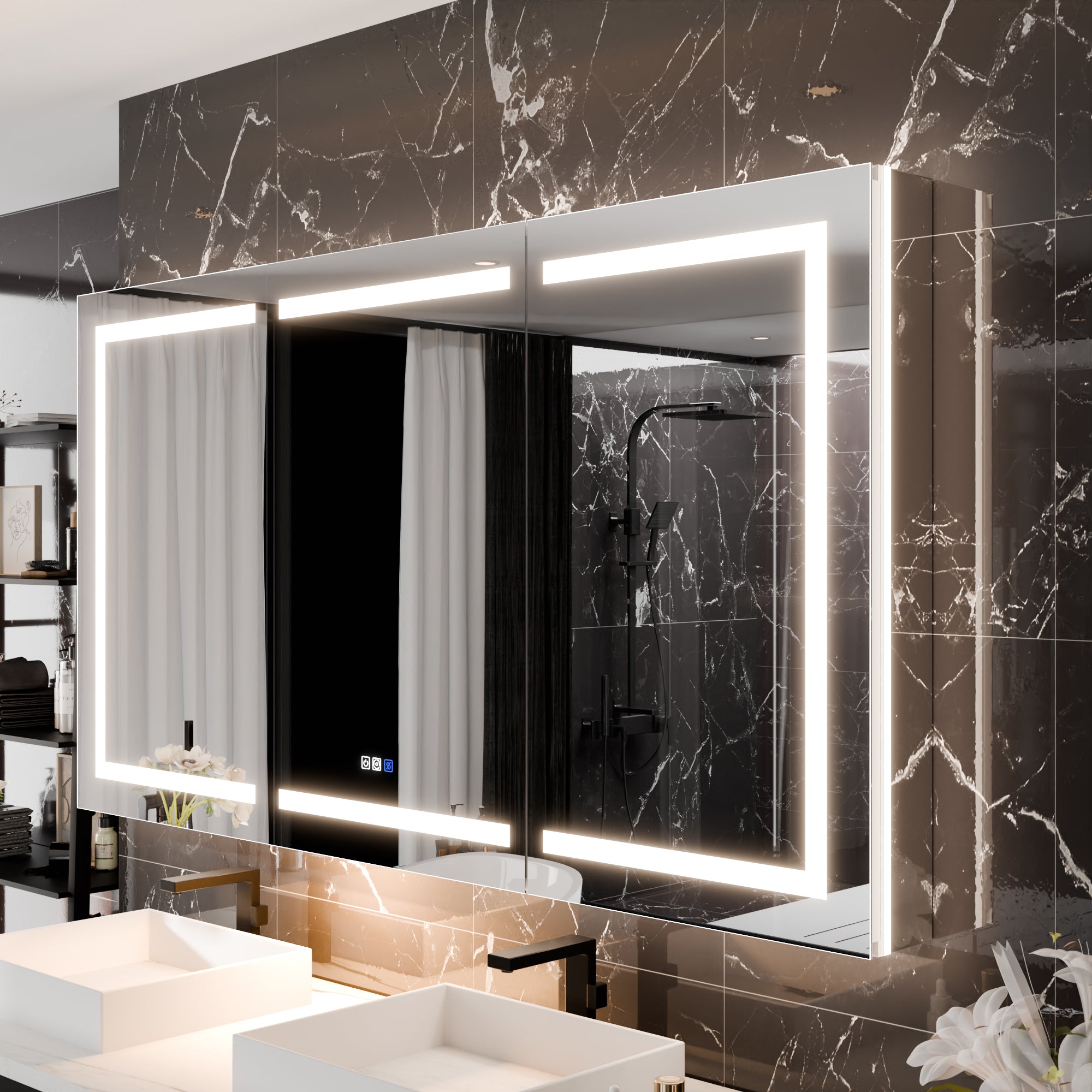
Some cabinets include mirrored interior surfaces, which are surprisingly useful because you can still see yourself while the main door is open.
Soft-close hinges are a nice feature in a frequently used bathroom, though I would prioritize good shelf layout and solid construction first.
At Wellfor, selecting bathroom storage should begin with how the space is actually used rather than simply choosing the largest model available.
8. Installation Should Be Planned Before the Wall Is Opened
Before cutting drywall, confirm the cabinet's rough-opening dimensions and locate studs, pipes, and wiring.
The opening should be level and properly supported. If framing needs to be modified, make sure the work does not compromise structural components.
Electrical models require even more planning.
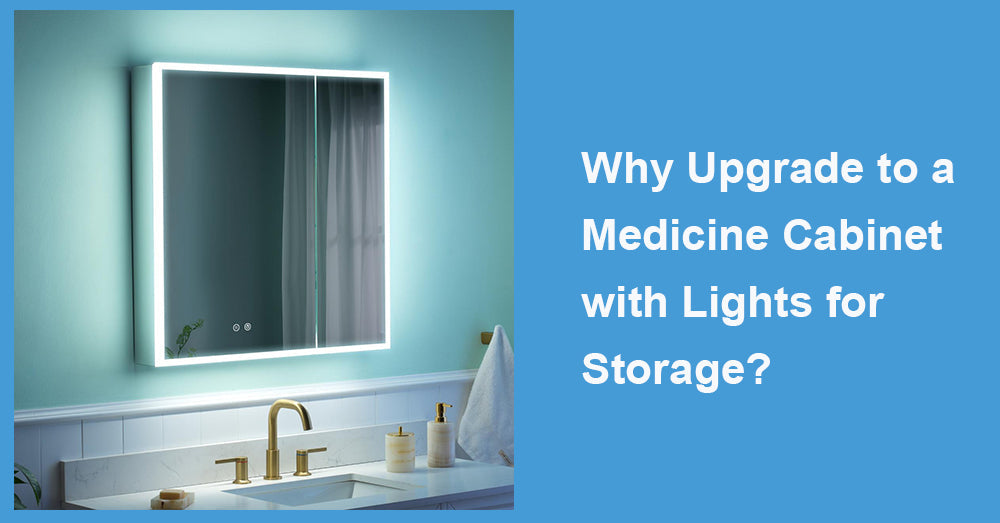
If the cabinet includes lighting, outlets, or defogging functions, power connections should comply with local electrical codes. Professional installation is often the sensible choice when wiring must be relocated or added.
A carefully installed cabinet should sit straight, open smoothly, and feel secure when used every day.

9. Maintenance Is Simple but Still Matters
Use a microfiber cloth and a suitable glass cleaner for the mirrored surfaces.
Avoid spraying excessive cleaner directly around cabinet edges, hinges, or electrical components. Applying cleaner to the cloth first gives you more control.
Every few months, empty the shelves and remove expired or unused products. This prevents a well-designed storage cabinet from becoming another cluttered space.
Good bathroom ventilation also helps protect hinges, metal finishes, and mirror backing from long-term moisture exposure.
10. Decide Based on Your Wall and Your Routine
A recessed cabinet makes the most sense when wall conditions allow installation without major reconstruction and you need organized storage for smaller daily essentials.
If the wall contains complicated plumbing or you need storage for bulky products, another solution may be more practical.
Before buying, measure carefully, inspect the wall, think about what you plan to store, and compare interior layouts rather than choosing by mirror size alone.
For bathrooms where floor and counter space are limited, a well-planned recessed medicine cabinet with mirror can provide useful storage while keeping the room visually open and comfortable to use.







































Leave a comment
This site is protected by hCaptcha and the hCaptcha Privacy Policy and Terms of Service apply.