
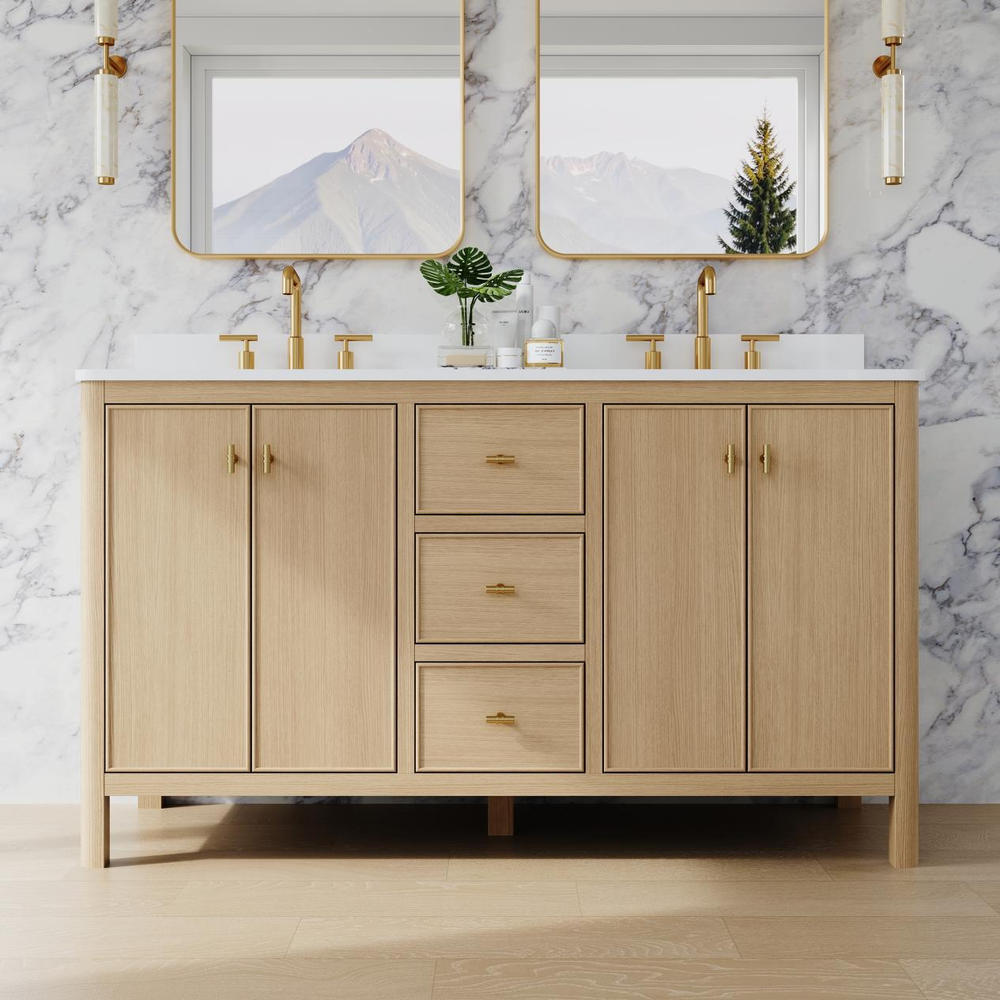


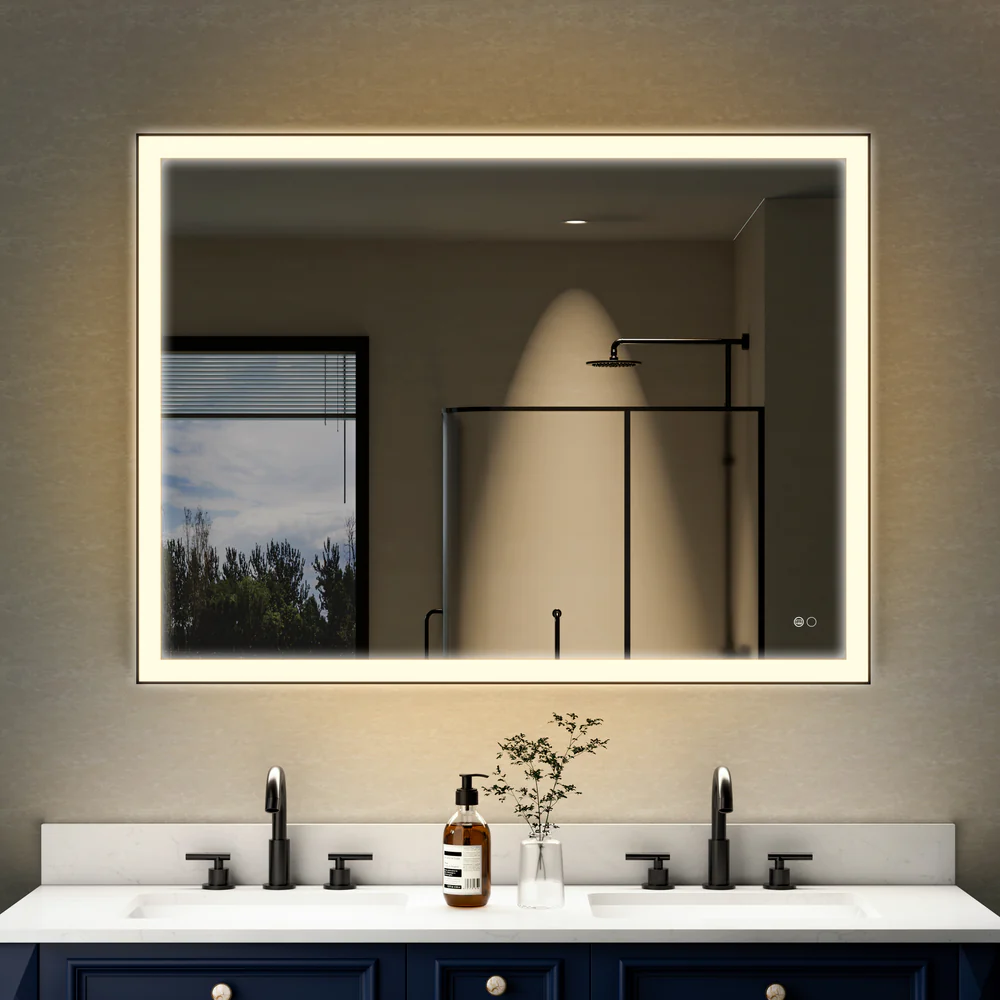




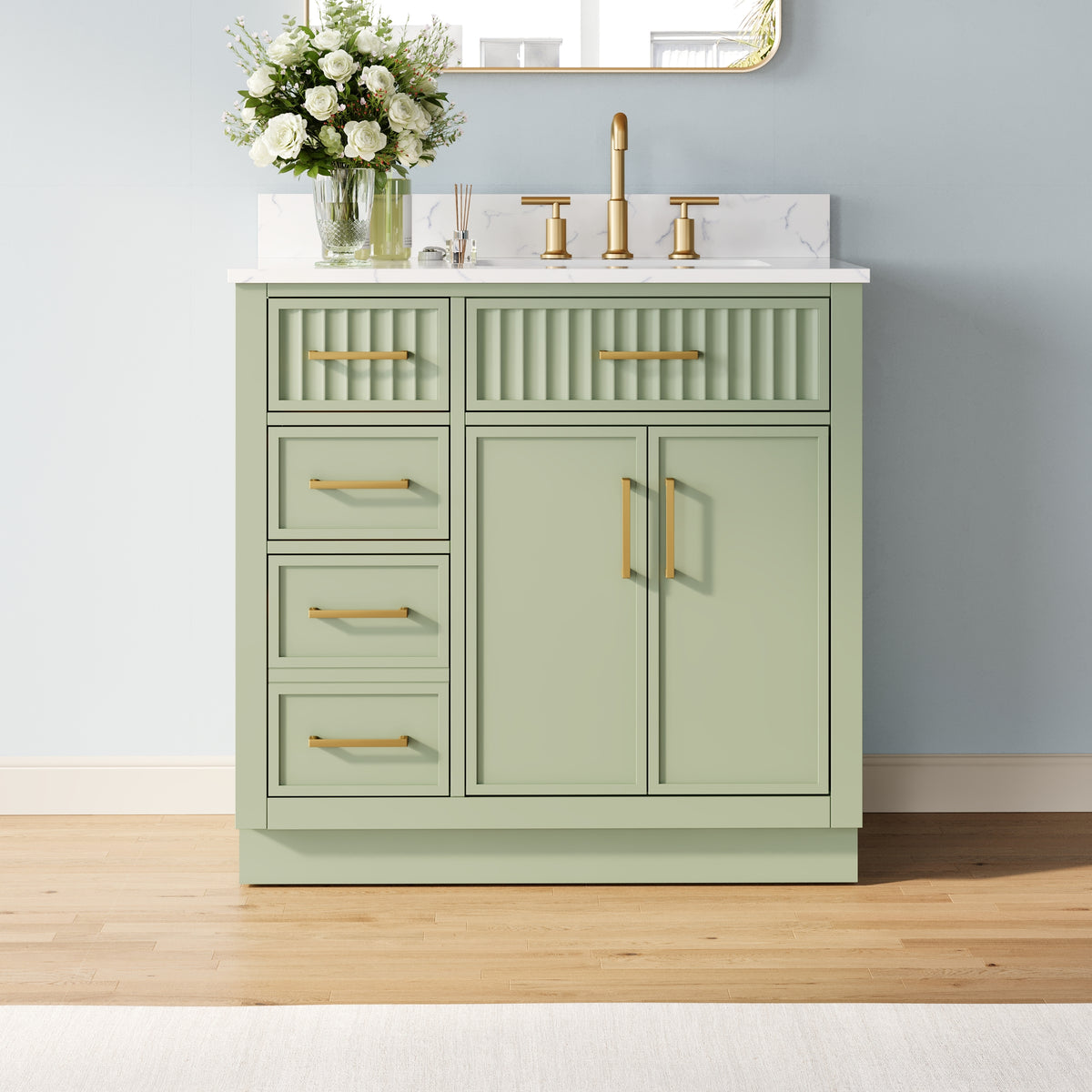
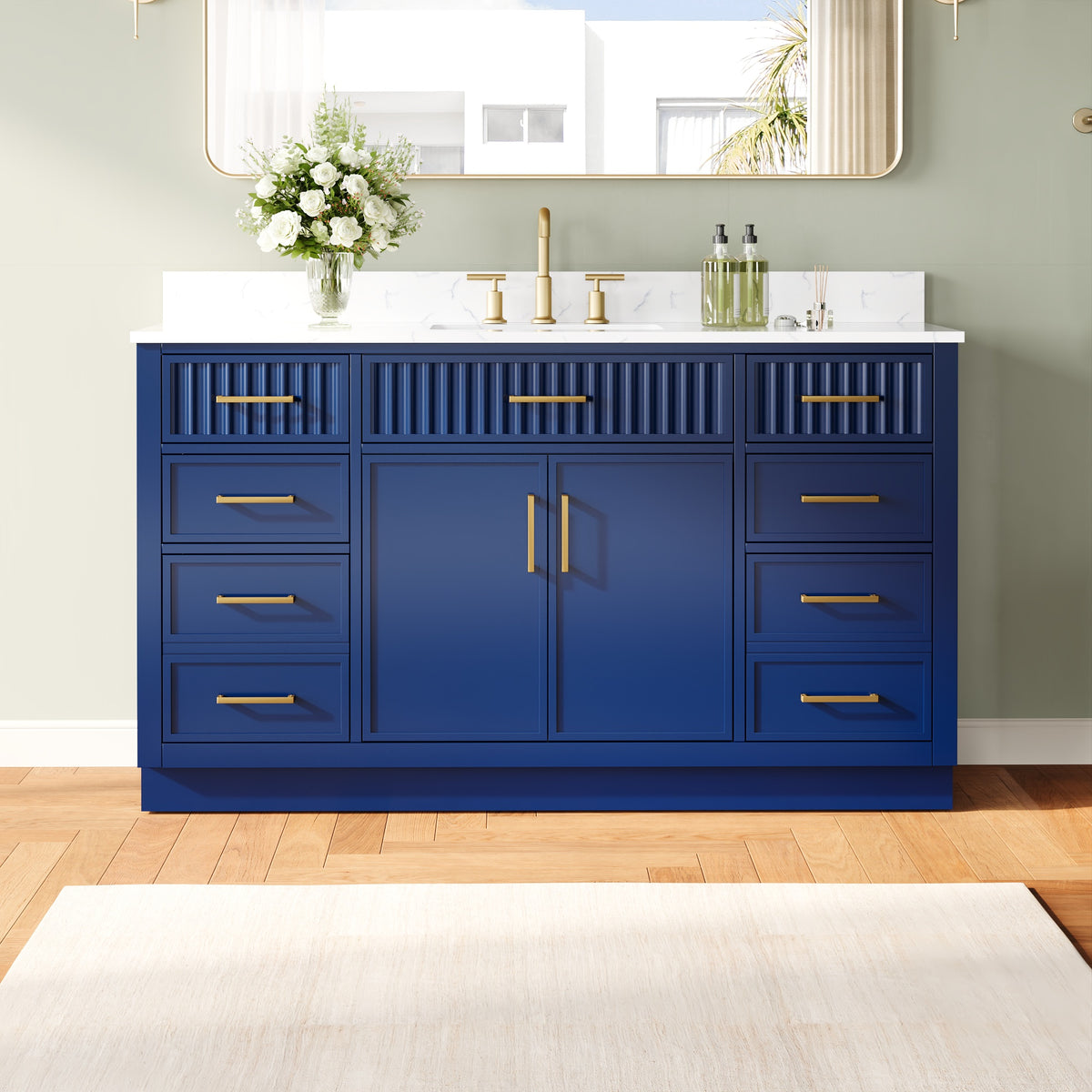
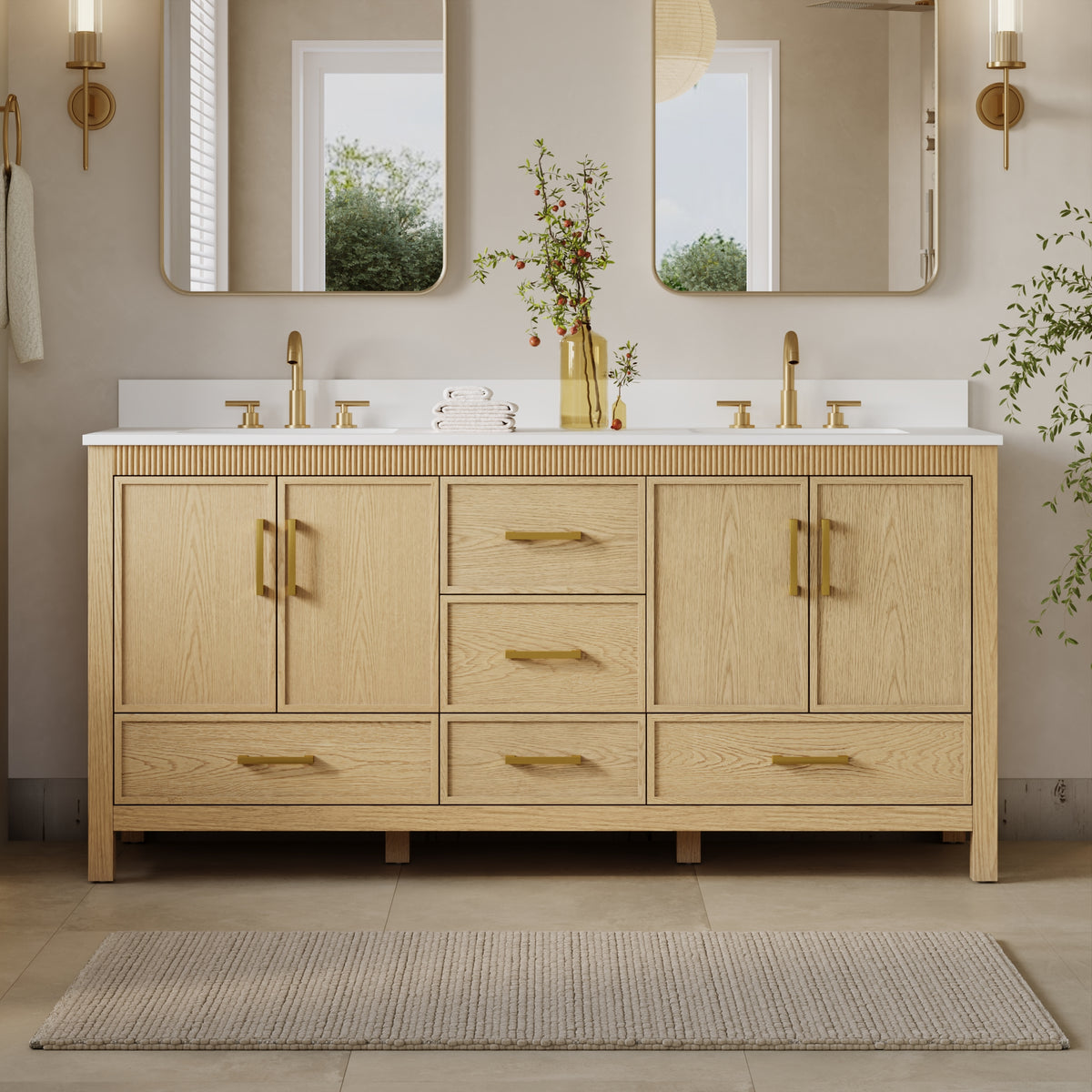
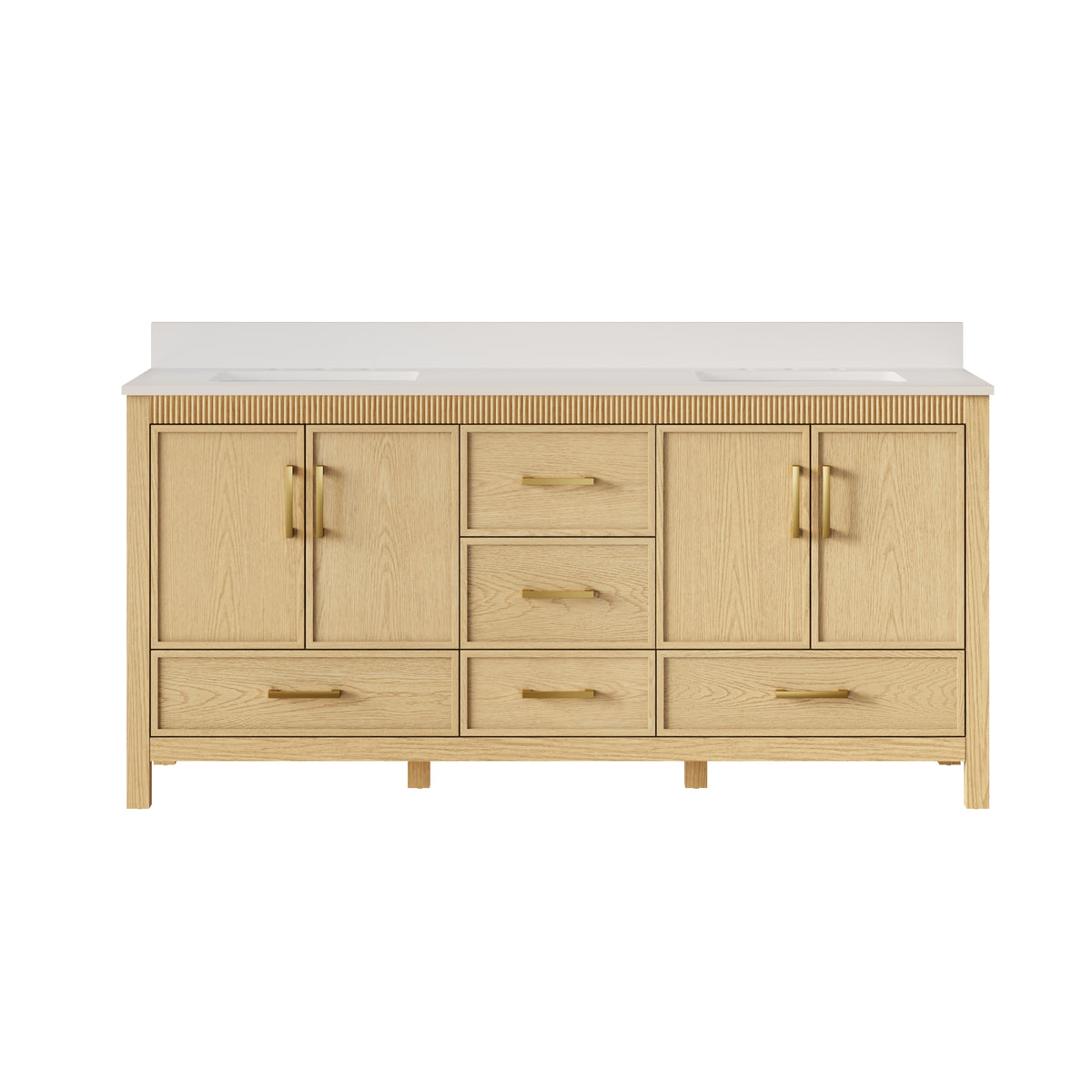
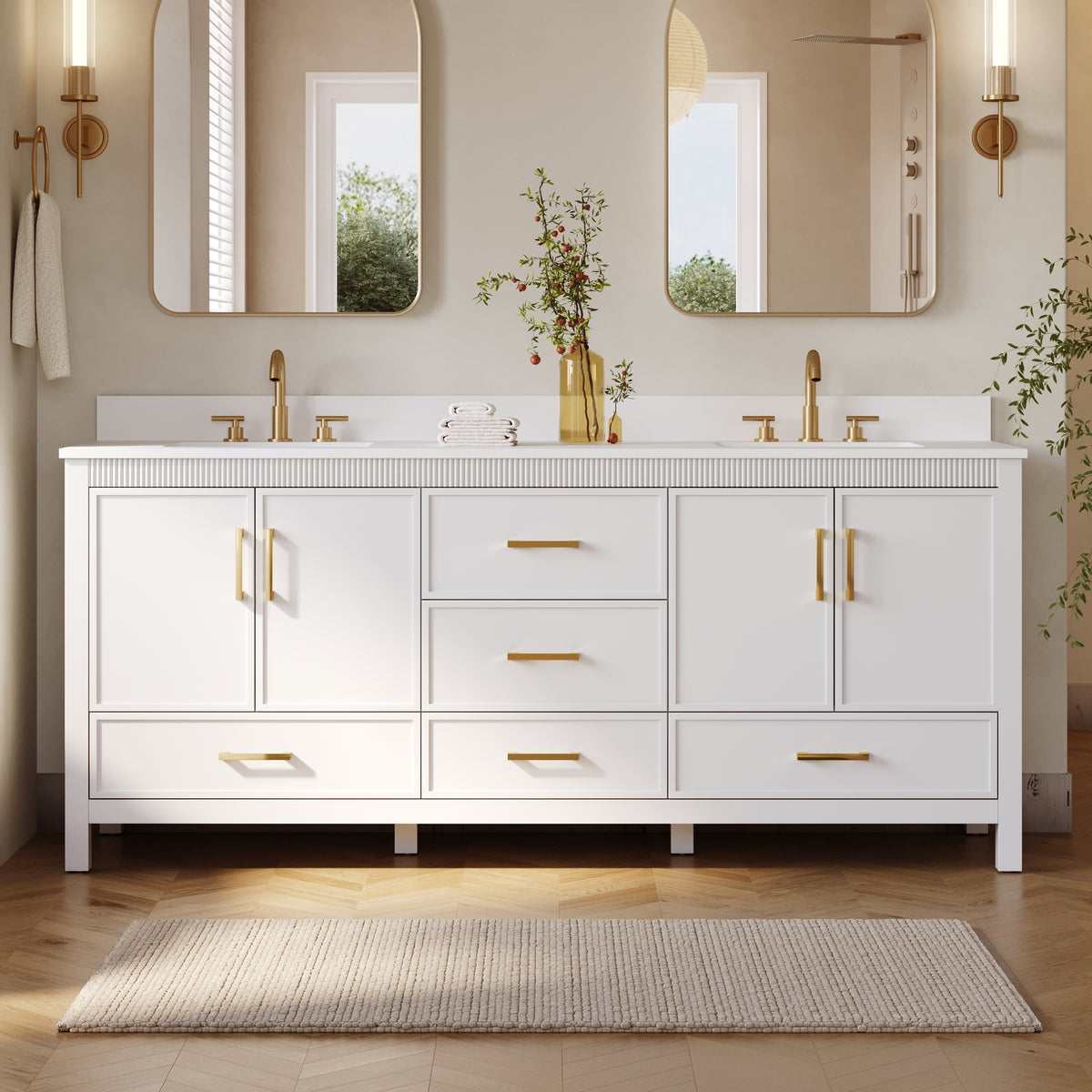
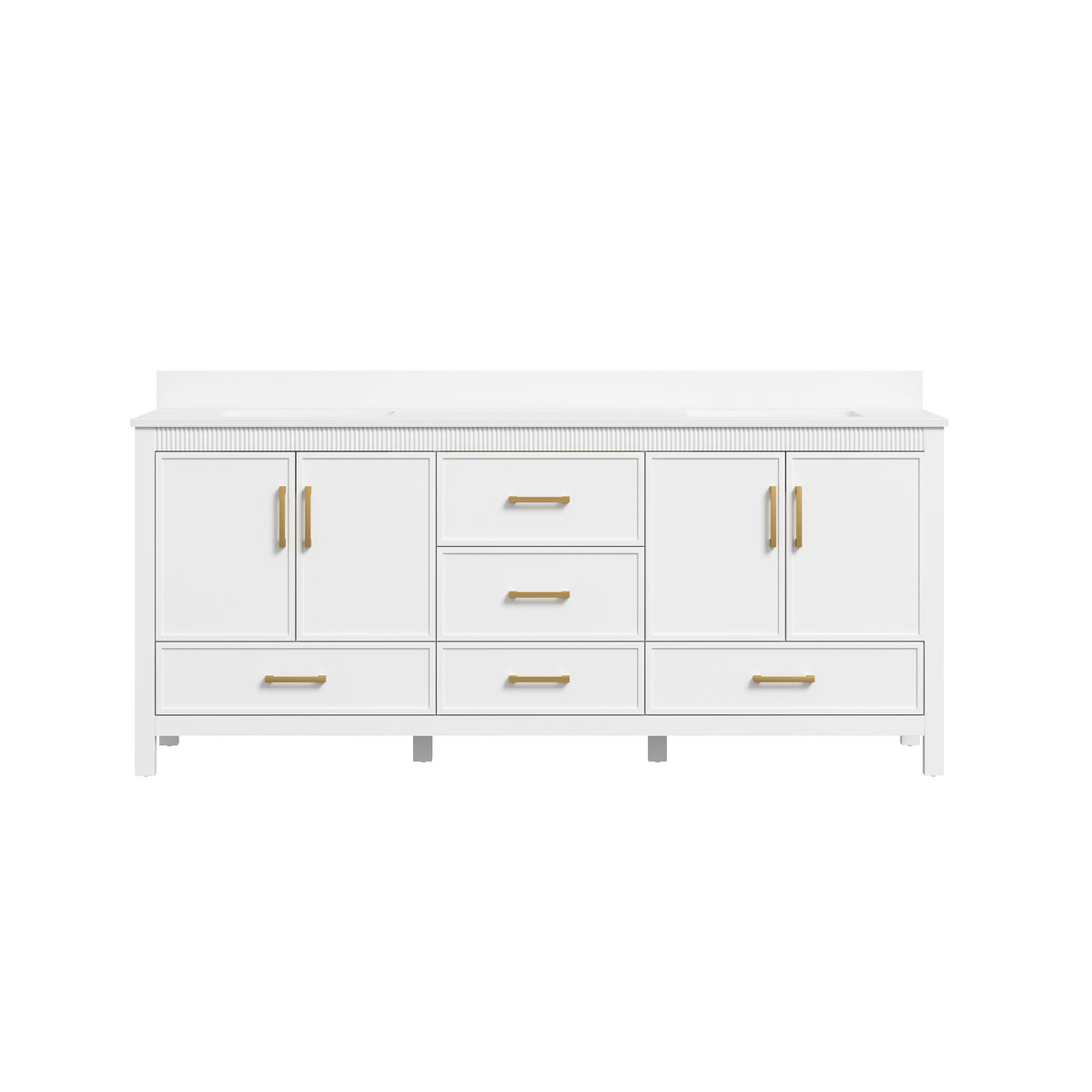

A white bath vanity can make a bathroom feel brighter, cleaner, and easier to coordinate with tile, hardware, mirrors, and lighting. The trade-off is that white also shows more: water spots, makeup residue, dust, and small chips tend to stand out faster than they would on a darker finish. Houzz’s 2025 bathroom research found that white remains one of the most widely used vanity colors, while white countertops continue to lead the category. That popularity makes sense. White is flexible, but keeping it looking fresh depends more on everyday habits than on occasional deep cleaning.
1. Start With Water Control
Most visible wear around a vanity begins with water, especially around the faucet, sink rim, and backsplash seam. Even a few drops left behind every day can eventually leave mineral marks or affect the finish around edges and joints.
A quick wipe with a soft microfiber cloth after a busy morning or evening routine can prevent much of that buildup. This matters even more with painted cabinetry, where repeated moisture can slowly affect seams and exposed edges.
NKBA’s 2026 Bath Trends Report found that 91% of professionals place a high value on durable, practical materials that reduce maintenance. That same thinking applies to daily care: preventing moisture damage is much easier than repairing it later.
2. Avoid Over-Cleaning
White surfaces often tempt people to reach for stronger cleaners than they actually need. That can create a new problem, especially on painted wood, laminate, quartz, or other finishes that may react poorly to abrasive or acidic products.
A soft cloth, warm water, and mild soap are usually the safest place to start unless the manufacturer recommends something different. The cabinet and countertop may also require separate care because quartz, marble, laminate, and painted wood do not respond to chemicals in the same way.
For long-term appearance, gentle cleaning done regularly tends to work better than aggressive scrubbing once a month.
3. Pay Attention to Humidity
A vanity does not need to be splashed directly to suffer from moisture. Steam from showers can settle on cabinet doors, side panels, mirrors, and hardware, particularly in bathrooms with weak ventilation.
The EPA recommends keeping indoor relative humidity below 60%, with 30% to 50% considered an ideal range. Running the exhaust fan during showers and leaving it on afterward can make a noticeable difference.
If the mirror stays fogged for a long time or condensation regularly appears on the cabinet, the room probably needs better airflow. In practice, moisture control is one of the least glamorous parts of bathroom care, but it is also one of the most important.
4. Check the Small Seams
The most vulnerable areas are often the ones that are easiest to ignore. Sink rims, faucet openings, backsplash joints, and countertop edges can hold small amounts of water long after the rest of the surface looks dry.
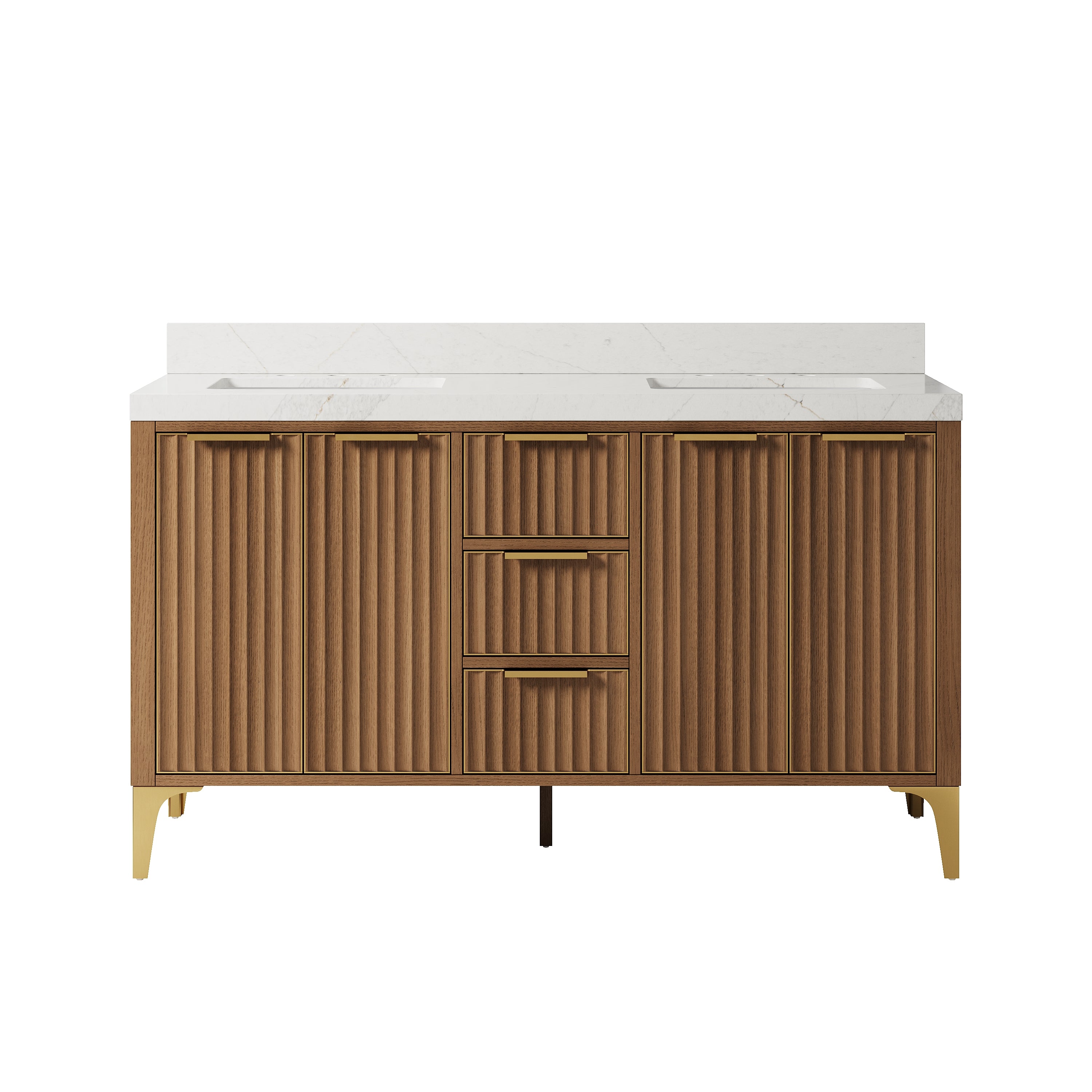
If the grout starts to crack or peel, moisture can seep into hard-to-reach areas. This is especially important for 30-inch, 36-inch, and 48-inch bathroom vanities, as the basin area occupies a large portion of the countertop space in these sizes.
A small repair made early is usually much easier than dealing with swelling, staining, or finish damage later. From an industry standpoint, protecting seams is just as important as choosing a durable surface in the first place.

5. Keep Hardware From Looking Tired
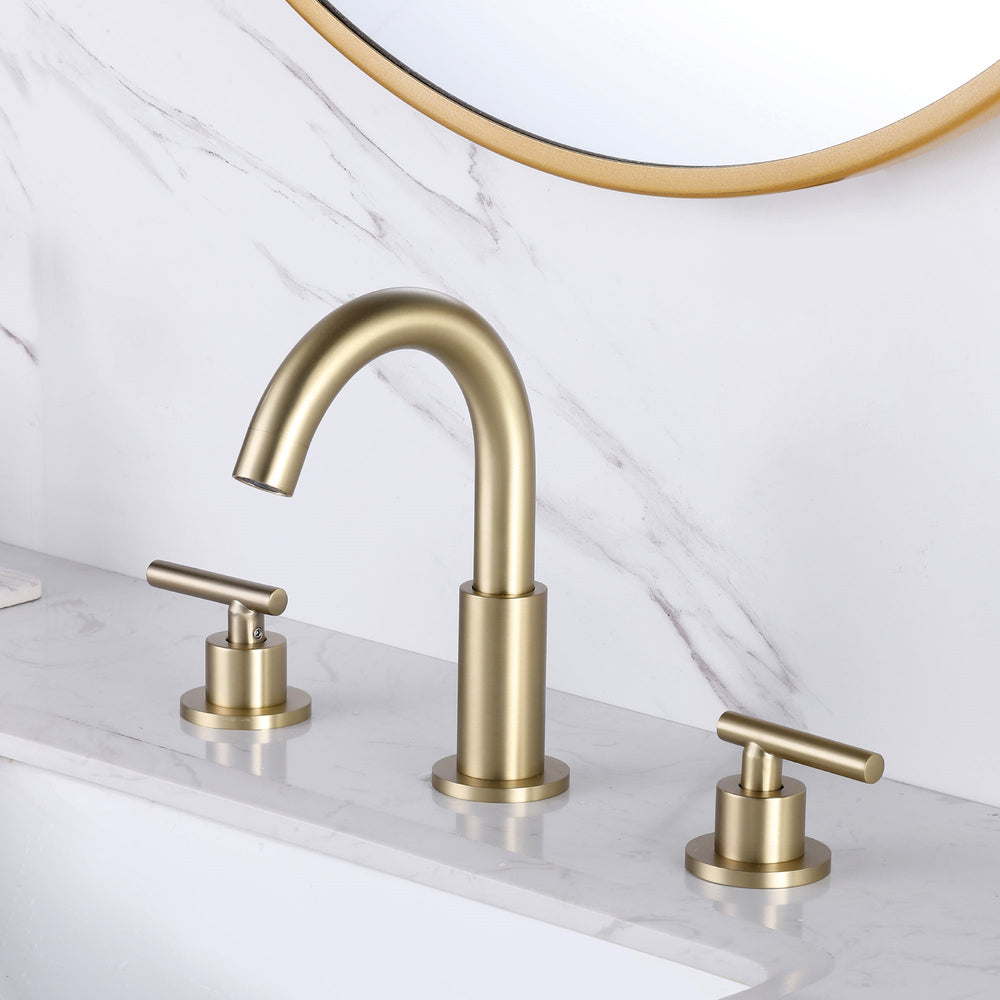
Cabinet handles and knobs are touched constantly, so they collect hand oils, soap residue, and cosmetics faster than most people realize. On a white vanity, dull or spotted hardware can make the whole unit look older even when the cabinet finish is still in good condition.
Clean the hardware with a product that suits its finish. Matte black, brushed nickel, brass, and polished chrome all have different care requirements, and harsh chemicals can change the appearance of some coatings.
NKBA’s latest research shows matte and brushed finishes continuing to perform strongly in bathroom design. If handles become loose, tighten them early so repeated movement does not start wearing the cabinet surface around the screw holes.
6. Give the Countertop Some Breathing Room
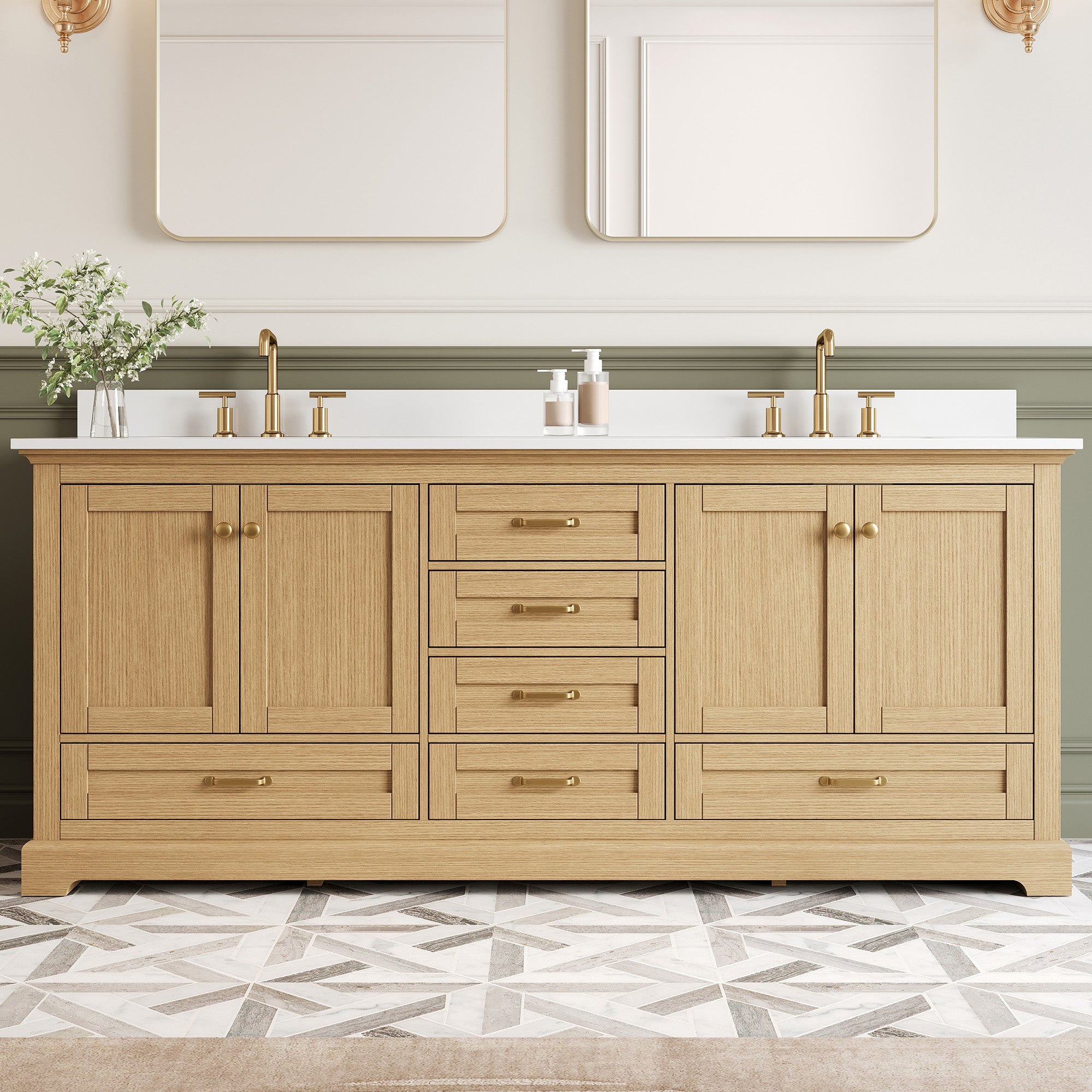
White vanities tend to look freshest when part of the countertop remains visible. A soap dispenser, small tray, and a few daily-use items may be enough, while everything else can move into drawers or a medicine cabinet.
Houzz reports that nearly half of upgraded vanities are 48 inches wide or smaller. On compact sizes, clutter builds quickly and can make the vanity feel smaller than it actually is.
This is not only a styling issue. A clearer surface is easier to wipe down, easier to organize, and less likely to develop rings from bottles, jars, and wet containers.
7. Treat Stains While They Are Fresh
Makeup, hair dye, toothpaste, and tinted skincare products are all easier to remove before they dry. Once a stain sits for several hours, the temptation is often to scrub harder or use a stronger cleaner.
Blot spills rather than spreading them across the surface. If a mark remains, check the care instructions for the specific cabinet or countertop material before reaching for anything more aggressive.
White finishes make uneven cleaning easy to notice. A harsh product may remove the stain but leave behind a dull patch or slight change in color, which can be more obvious than the original mark.
8. Watch Heat and Direct Sunlight
Heat damage is another issue that often develops gradually rather than all at once. Curling irons, straighteners, and other hot grooming tools can discolor or mark a countertop if they are left directly on a surface that is not rated for high heat.
A heat-resistant mat is a simple way to protect the vanity during daily routines. Direct sunlight deserves attention too, especially if one side of the cabinet receives strong afternoon light every day.
Over time, some finishes can fade or yellow unevenly. A shade, curtain, or filtered window treatment can help keep the color more consistent.
9. Conclusion
Keeping a white bath vanity looking new is mostly about staying ahead of small problems before they become visible. Water, humidity, stains, loose hardware, and countertop clutter all seem minor at first, but together they are what usually make a vanity start to look worn.
The good news is that the maintenance itself does not need to be complicated. Wipe the water stains clean before they dry completely, use a mild cleaner, check the grout lines from time to time, protect the countertop from high temperatures, and organize frequently used items.
White remains popular because it works with almost every bathroom direction, from warm wood and brushed metal to black fixtures and soft neutral tile. With light, regular care, that versatility can last for years without the vanity feeling dated or tired.





















Leave a comment
This site is protected by hCaptcha and the hCaptcha Privacy Policy and Terms of Service apply.