






















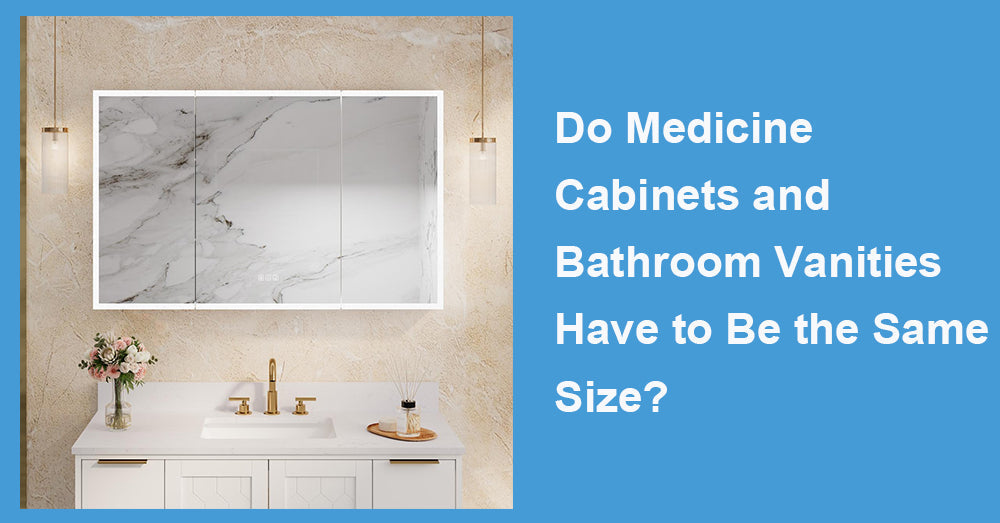
When designing or remodeling a bathroom, selecting the perfect bathroom vanity medicine cabinet can transform the space's functionality and aesthetics. A common question many homeowners face is whether the medicine cabinet should match the size of the vanity. The answer depends on multiple factors, including the bathroom's layout, storage needs, and personal style. In this guide, we’ll walk you through everything you need to know to make an informed decision about sizing your medicine cabinet to complement your vanity perfectly.
l Introduction
lUnderstanding the Relationship Between Vanities and Medicine Cabinets
l Making the Right Medicine Cabinet Decision
l Factors to Consider When Matching a Medicine Cabinet to Your Vanity
l Installing Medicine Cabinets and Vanities
l The Impact of Lighting on Vanity and Medicine Cabinet Size
l Popular Configurations for Bathroom Vanity Medicine Cabinets
l Making the Final Decision
Understanding the Relationship Between Vanities and Medicine Cabinets
A bathroom vanity serves as the central piece of bathroom furniture, often supporting a sink and providing essential storage below. In contrast, a medicine cabinet is typically wall-mounted above the vanity, serving as a compact storage space for toiletries and essentials. The visual balance between these two elements impacts the overall bathroom aesthetic. The choice of a medicine cabinet size should harmonize with the vanity to create a balanced look without overpowering or underwhelming the space.
Making the Right Medicine Cabinet Decision
Choosing the right medicine cabinet for your vanity isn’t as simple as matching widths. Factors like the bathroom's layout, lighting, and personal storage requirements play critical roles. From recessed to surface-mount options, the right combination can add functionality and visual appeal.
Factors to Consider When Matching a Medicine Cabinet to Your Vanity
To help you decide on the perfect combination, consider the following factors:
1. Size of the Bathroom
Smaller bathrooms often benefit from a more compact medicine cabinet, ideally flush with or slightly smaller than the vanity to avoid making the space feel cramped. In larger bathrooms, a wider or wall-to-wall medicine cabinet can add a sleek, luxurious look while providing ample storage.
2. Vanity Functionality
Some vanities come with built-in storage compartments that reduce the need for a larger medicine cabinet. If your vanity already provides sufficient storage, a smaller cabinet may suffice. Conversely, if your vanity lacks drawers or shelves, a larger cabinet may be essential for holding daily items.
3. Personal Storage Needs
If you have many skincare, grooming, or medical products, opting for a larger or wall-to-wall medicine cabinet can help keep the countertop clear. On the other hand, minimalists may prefer a smaller cabinet with just enough space for the basics.
4. Symmetry and Balance
Visually, many designers recommend that the medicine cabinet be no wider than the vanity. However, some modern designs incorporate asymmetry to create an eye-catching look. Choosing a smaller or off-center medicine cabinet can add a unique visual element when done tastefully.
Installing Medicine Cabinets and Vanities
When it comes to installation, your choices include recessed, surface-mount, or corner-mount cabinets. Here’s a quick breakdown of each:
1. Recessed Medicine Cabinet Installation
A recessed medicine cabinet fits into the wall, creating a sleek, streamlined look. This option works best for those seeking a minimalist appearance, as it aligns closely with the wall, saving space and giving a modern feel.
2. Surface-Mount Cabinet Installation
Surface-mounted cabinets protrude from the wall, making them an ideal choice if you prefer a more traditional or classic look. These are easier to install, particularly if your wall isn’t designed for recessing.
3. Corner-Mount Medicine Cabinet Installation
Corner cabinets can maximize space in compact bathrooms by using otherwise underutilized corners. They’re particularly effective for bathrooms where wall space is limited.
The Impact of Lighting on Vanity and Medicine Cabinet Size
Lighting can greatly influence the look and functionality of your bathroom vanity medicine cabinet setup. Choosing the right lighting setup can enhance visibility and ambiance.
1. Bathroom Vanity Lights Over Medicine Cabinet
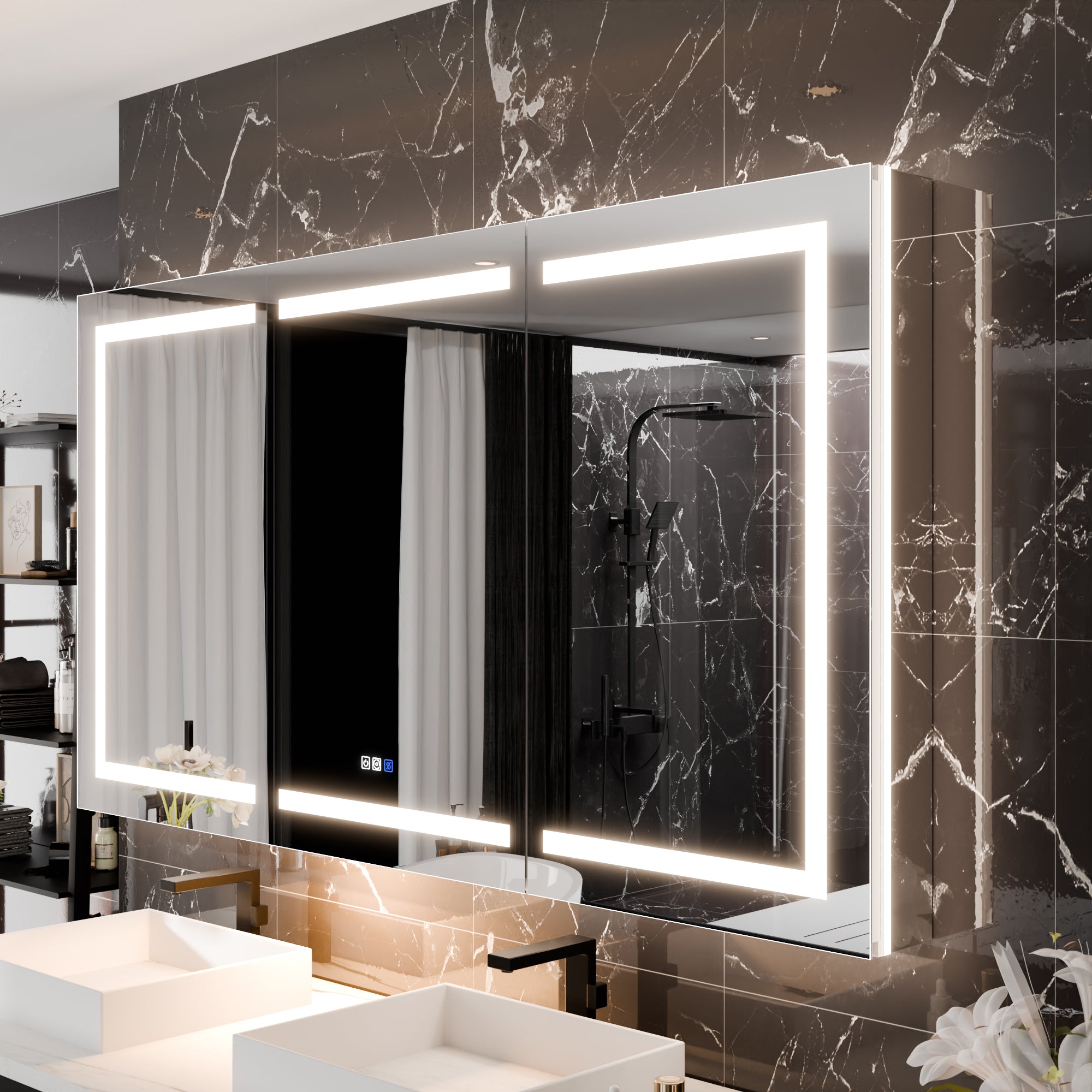
Lighting above or around the medicine cabinet provides clear, direct light, which is essential for grooming tasks. Ensure the size of your cabinet leaves enough room for vanity lights on either side or above it without appearing cramped.
2. Natural Light Sources
Consider the amount of natural light in the bathroom. Brightly lit bathrooms allow more flexibility with cabinet sizing, while dimly lit bathrooms may require larger cabinets with built-in lighting or space for additional fixtures.
Popular Configurations for Bathroom Vanity Medicine Cabinets

Various configurations can help create your desired aesthetic and functionality.
1. Wall-to-Wall Medicine Cabinets
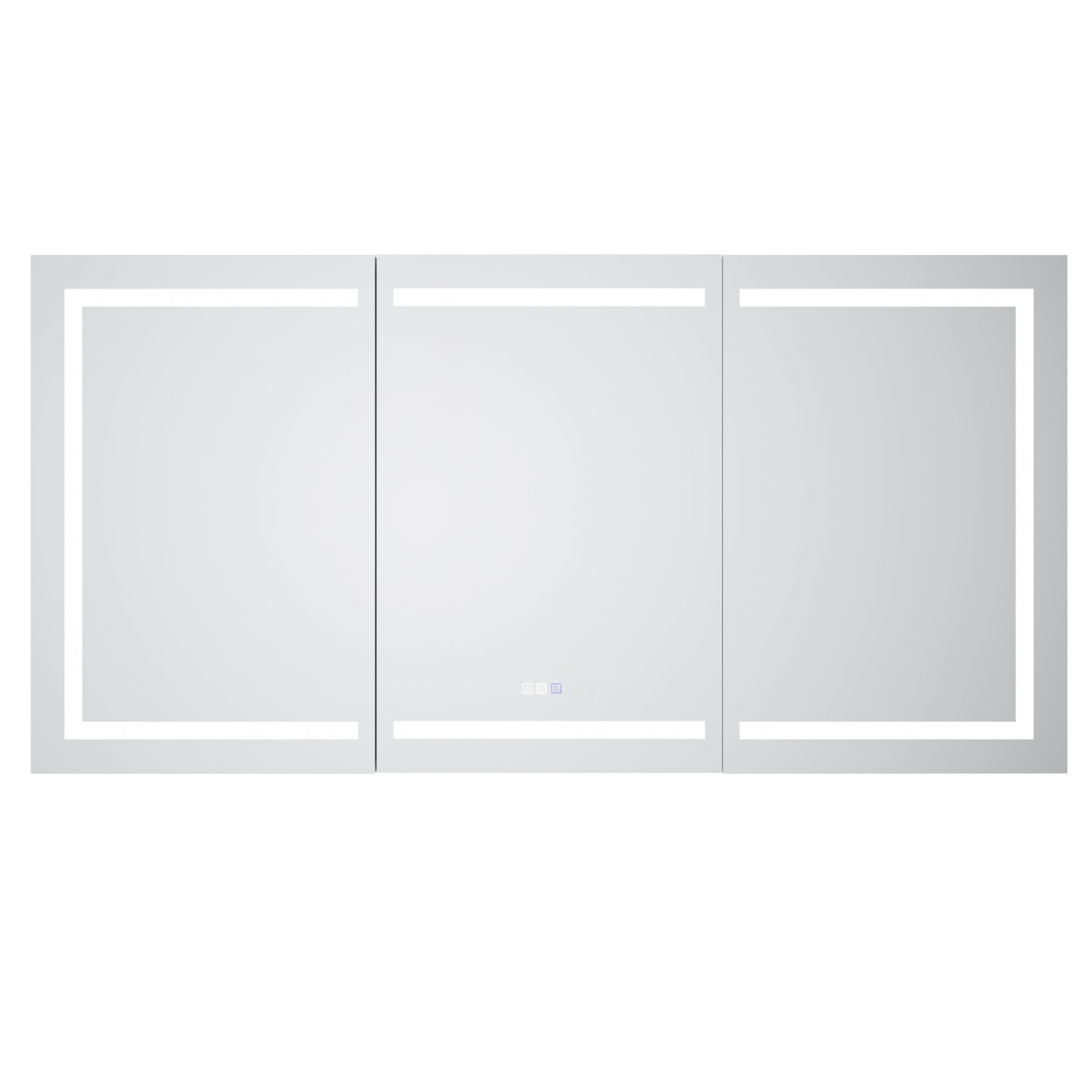
For a luxurious feel, wall-to-wall cabinets provide ample storage and can act as a large mirror, enhancing the room’s spaciousness. This look works well in large bathrooms, where symmetry is essential for a cohesive design.
2. Standard Size Medicine Cabinets
The standard approach involves a cabinet slightly narrower than the vanity. This is a versatile option that can suit most bathroom styles, creating balance without overpowering the vanity area.
3. Asymmetrical Designs
For a more modern, eclectic look, asymmetrical designs can be visually striking. Pairing an off-center medicine cabinet with a vanity creates an unconventional, stylish look that’s popular in contemporary bathrooms.
Installation Considerations
Consider whether you’d like a pre-fabricated or custom solution based on your bathroom’s layout and budget.
1. Pre-Fabricated Versus Custom Solutions
Pre-fabricated cabinets are cost-effective and come in various standard sizes, which are ideal if your bathroom follows common dimensions. However, custom cabinets allow for more flexibility in size, shape, and finishes.
2. Plumbing and Electrical Work
If you’re choosing a recessed cabinet, ensure that there’s enough wall depth and no plumbing or electrical wires behind the wall. Consulting a professional before installation can save time and avoid costly mistakes.
Making the Final Decision
When selecting the best medicine cabinet for your vanity, visualize how the final setup will look and feel. Here are a few additional considerations:
1. Visualizing the End Result
If possible, use design software or tape outlines on the wall to see how different cabinet sizes would look above the vanity. This can help ensure the cabinet doesn’t overwhelm the vanity or create an unbalanced appearance.
2. Budgetary Constraints
Consider your budget when choosing between recessed and surface-mounted options, as recessed options generally require more labor and may involve structural work on your walls.
3. Future Resale Value
An aesthetically pleasing, functional bathroom can add value to your home. Matching a standard-size vanity and medicine cabinet is a safe choice if you’re considering resale value, as it appeals to a broader range of potential buyers.
Selecting the right bathroom vanity medicine cabinet is about balancing aesthetics with function. Take into account your bathroom’s size, storage needs, and design goals to make a well-informed decision. If you’re looking for quality options, consider investing in a custom cabinet that fits your exact specifications. Many online retailers and home improvement stores offer custom solutions and standard options, allowing you to find the ideal fit for your bathroom.







































Leave a comment
This site is protected by hCaptcha and the hCaptcha Privacy Policy and Terms of Service apply.