














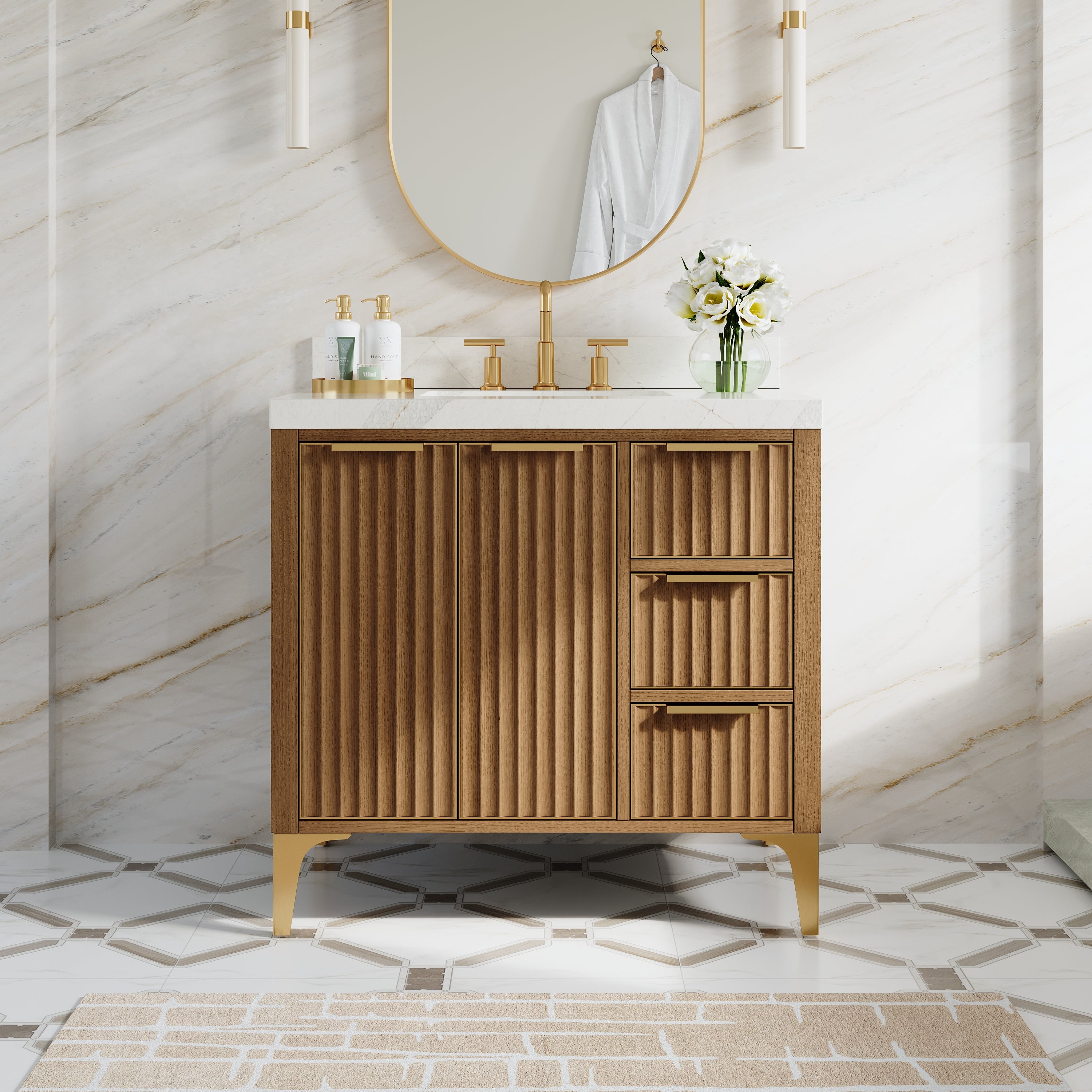


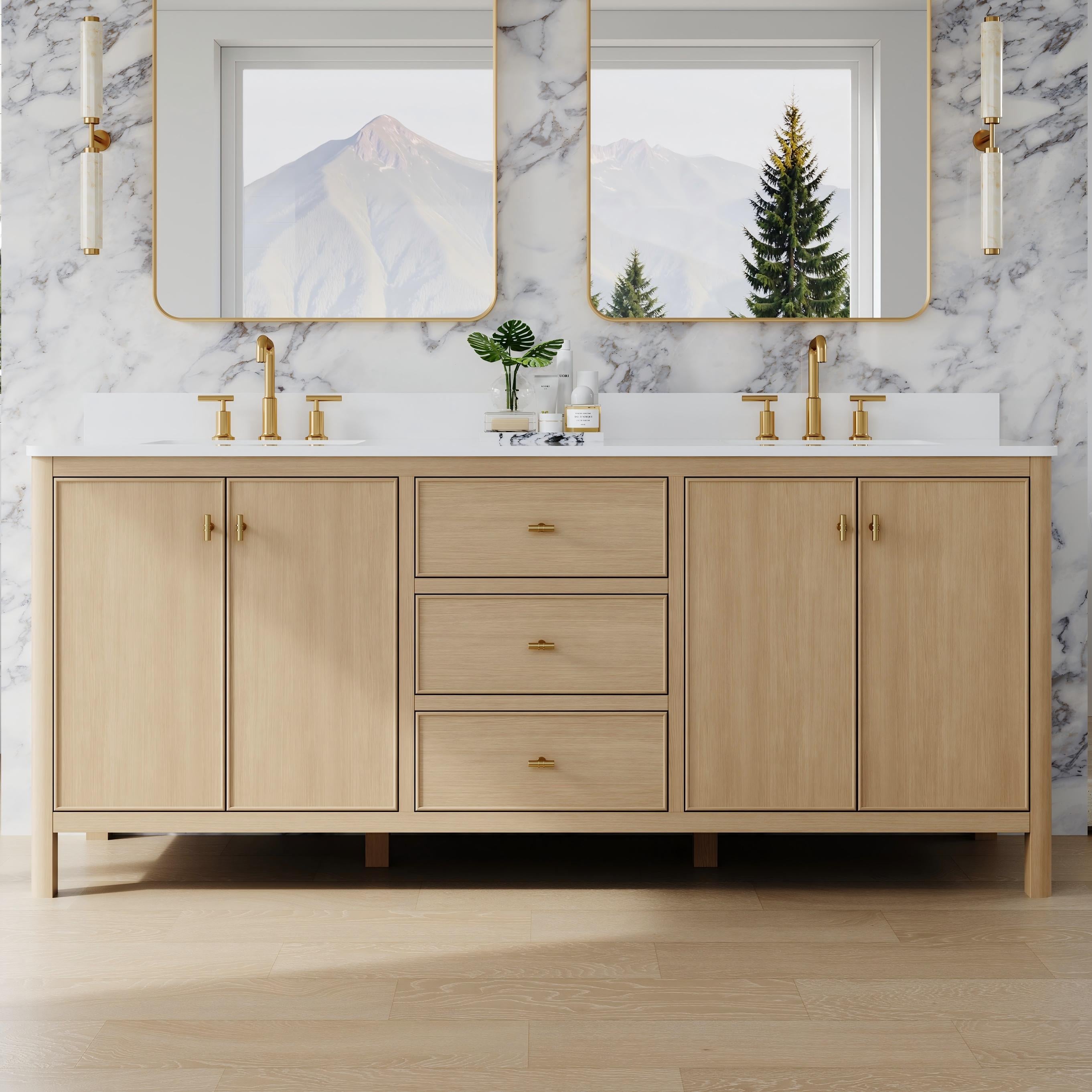


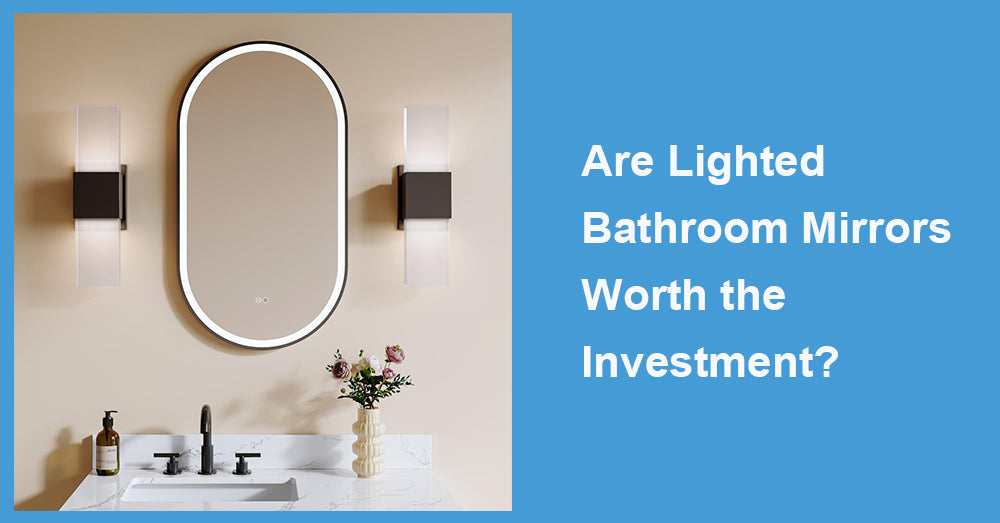
In the trend of bathroom upgrades, lighted bathroom mirror are gradually shifting from decorative products to functional cores. Compared to traditional wall mirrors paired with wall or ceiling lights, illuminated mirrors integrate lighting and mirror surfaces, achieving uniform illumination and a cleaner spatial environment. Whether it is worth investing a higher budget for a light mirror from a 24-inch single-basin space to a 60-inch or 72-inch dual-basin layout is a question many families repeatedly weigh during the renovation phase. To determine its investment value, it is necessary to analyze it across multiple dimensions, including lighting quality, energy efficiency, user experience, and long-term maintenance.
1. Lighting Quality: Differences between Task Light and Environmental Light
Traditional ceiling lights are usually installed in the center of a room, with light projected from above, which can easily create shadows on the face. And illuminated bathroom mirrors often use side lighting or backlight designs, with the light source closer to the front of the face.
Research data shows that under mirror lighting conditions with a color rendering index (CRI) of over 90, facial shadows are reduced by about 20% to 30%, and skin tone restoration is significantly improved. For scenes that require fine care or shaving, even lighting is particularly important.
The output brightness of a common 36-inch-wide LED mirror is between 1200 and 2000 lumens; the 48-inch- to 60-inch model can reach 2500 to 3500 lumens. In bathrooms with an area of less than 80 square feet, this luminous flux meets the basic lighting requirements.
2. Energy efficiency and usage cost
LED technology is the core of the light mirror. Compared to traditional incandescent or halogen lamps, LEDs have lower energy consumption and longer lifespan. Data shows that the lifespan of LED light sources can typically reach 30000 to 50000 hours.
Using a 40W mirror light as an example, with daily use of 1 hour, the theoretical service life can exceed 20 years. Compared to traditional lighting systems, energy consumption is reduced by over 50%.
In addition, many high-end products support brightness adjustment and color temperature switching, allowing them to be freely adjusted within the range of 3000K to 6000K to meet the needs of different time periods.
3. Improvement of spatial visual effects
The illuminated mirror creates a halo effect through backlighting, giving the wall a more layered feel. Especially in 36-inch or 60-inch vanity structures, mirrors become the visual focal point.
Data show that in spaces with an area less than 100 square feet, the visual aperture score for backlit mirrors is about 15% to 20% higher than that of traditional mirror+wall lamp combinations.
For bathrooms with a floor height of 8 feet to 9 feet, the backlight design can also visually stretch the vertical ratio.
4. Comparison of installation cost and budget
Compared to regular mirrors, illuminated mirrors are usually priced 20% to 40% higher. In addition, it is necessary to reserve power lines and wiring positions inside the wall.
During the new construction or comprehensive renovation phase, wiring costs are relatively low; In spaces that have already been renovated, adding power may require additional construction.
Data shows that in the overall bathroom renovation budget, illuminated mirrors typically account for 5% to 10% of the total cost. Compared to the investment in countertops or shower systems, its cost ratio is not high.
5. The value of defogging and additional functions
Many illuminated bathroom mirrors integrate defogging functionality. Using a back-heating film keeps the mirror surface clear after showering.
Test data show that in environments with humidity exceeding 70%, it takes 3 to 5 minutes for ordinary mirrors to produce water mist. In comparison, mirrors with defogging function can maintain clarity above 90%.
Some high-end products also have built-in touch switches, built-in sockets, or Bluetooth audio functions, further enhancing the user experience.
6. Long-term maintenance and durability
LED systems have a long lifespan, but electronic components require high humidity and voltage stability. It is recommended to ensure the power supply system is stable and to keep the bathroom humidity between 40% and 55%.
Data show that products without effective sealing structures in high-humidity environments have a higher electronic failure rate. Therefore, choosing products with IP44 or higher protection level is safer.
7. Is it suitable for all spaces?
In compact bathrooms with an area of less than 70 square feet, high-brightness illuminated mirrors can partially replace the overhead light function. In main bathroom spaces with over 120 square feet, it is still recommended to use top ambient lighting to ensure overall uniformity.
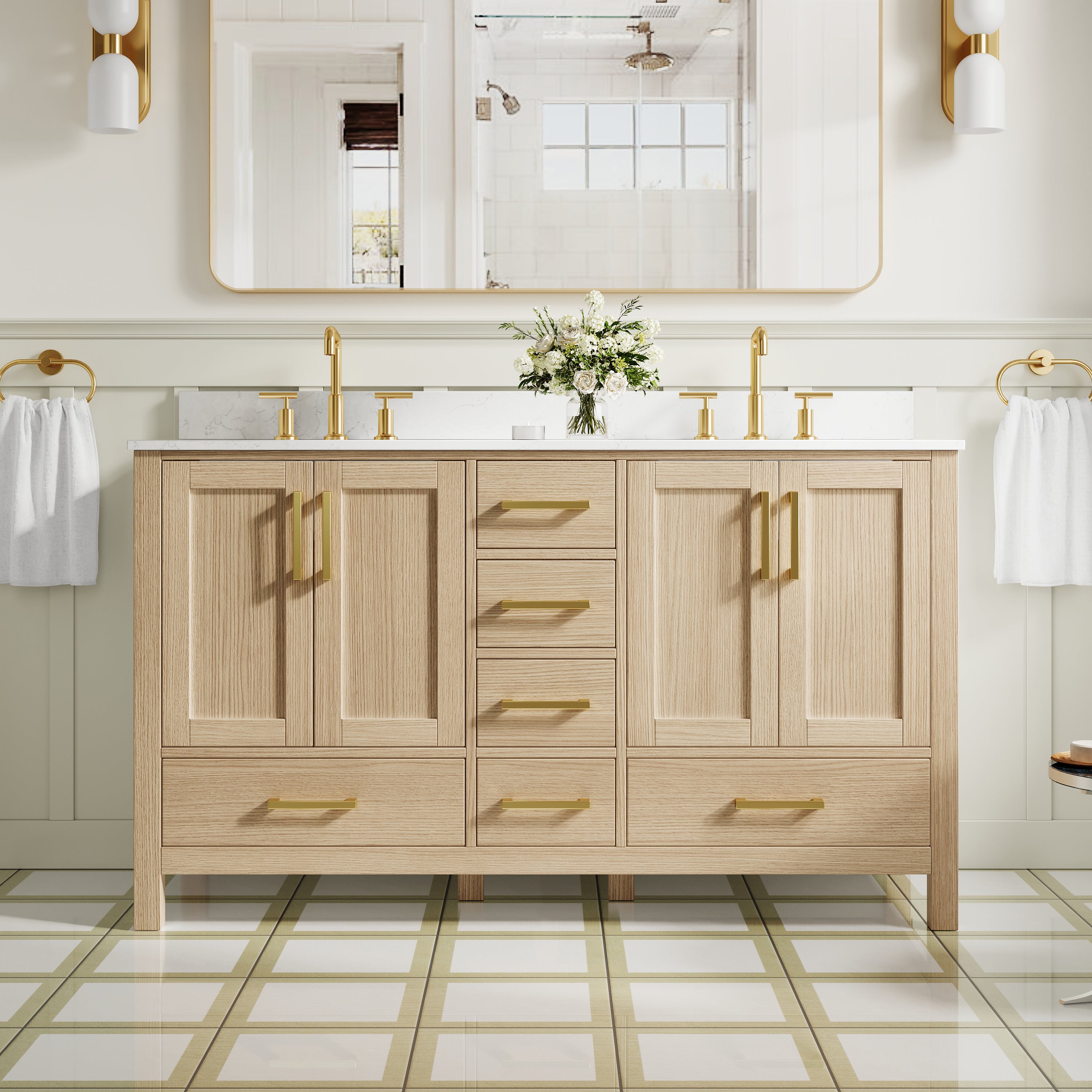
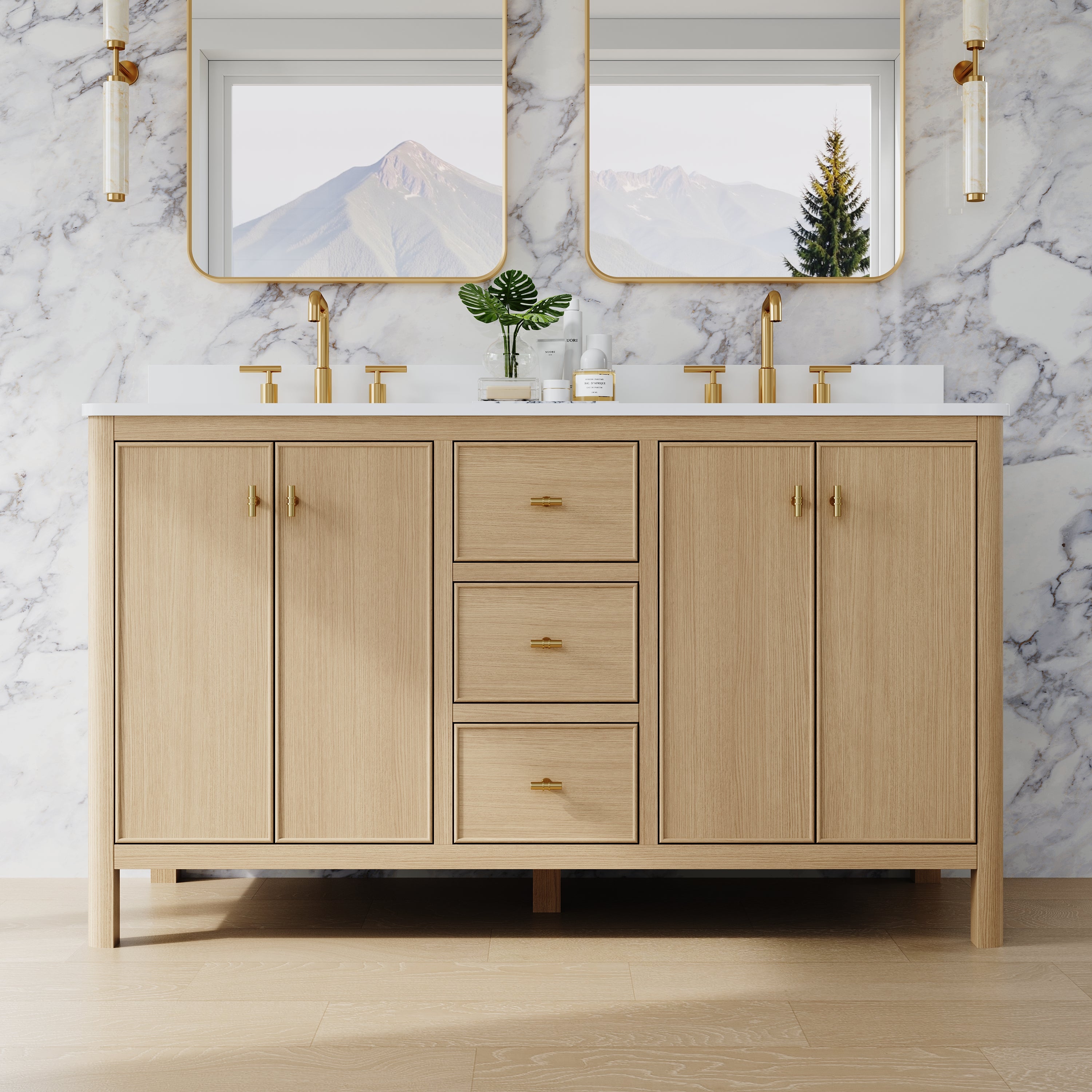
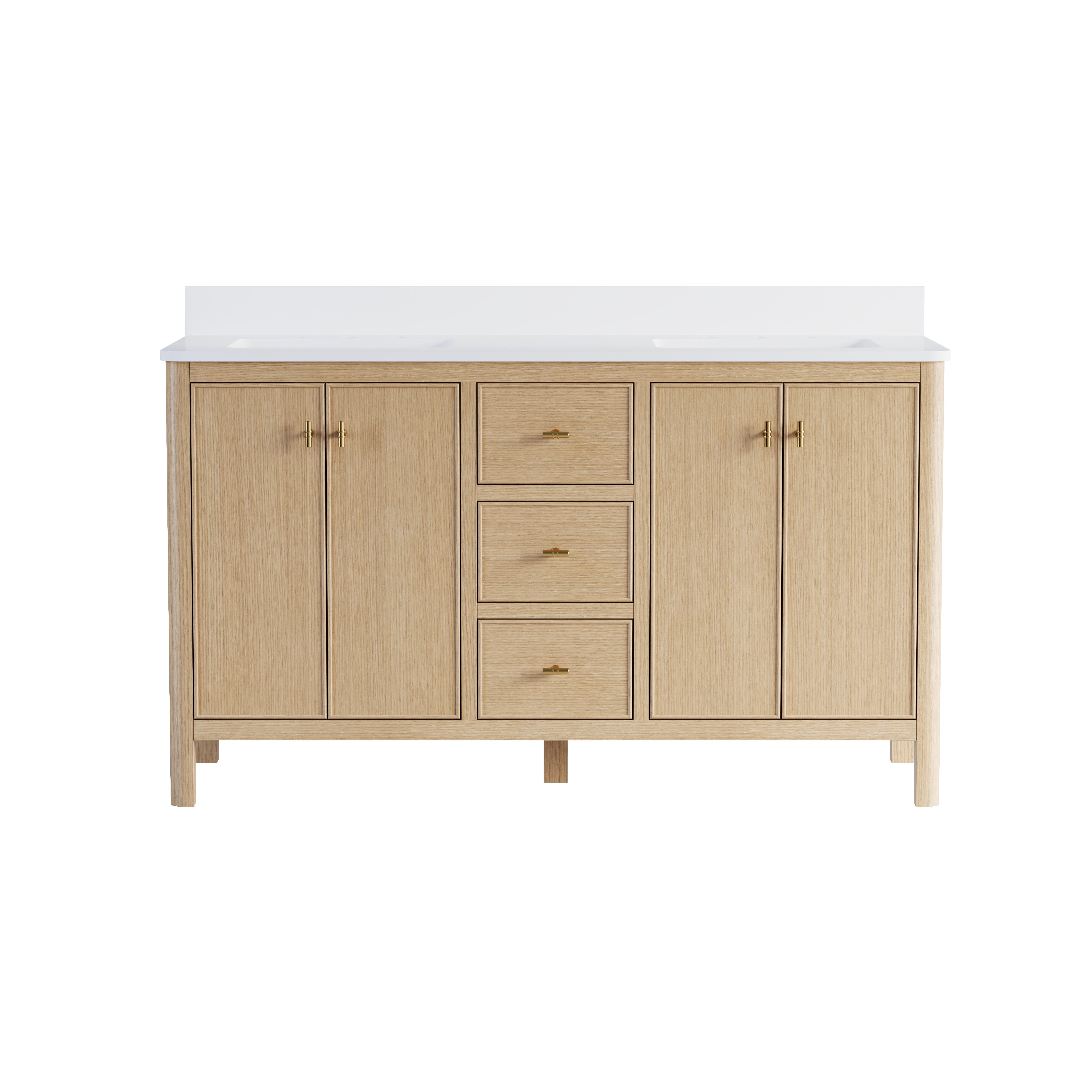
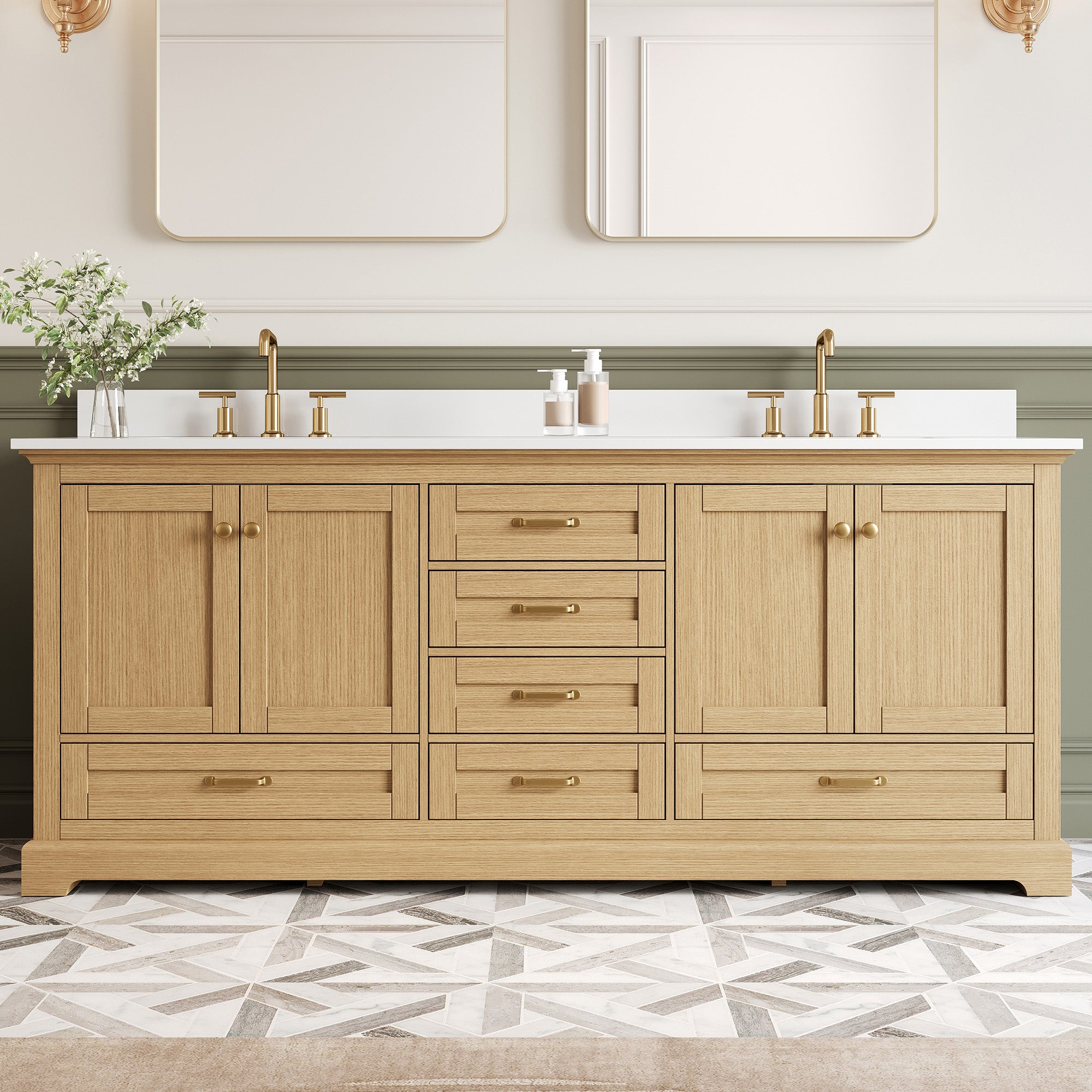
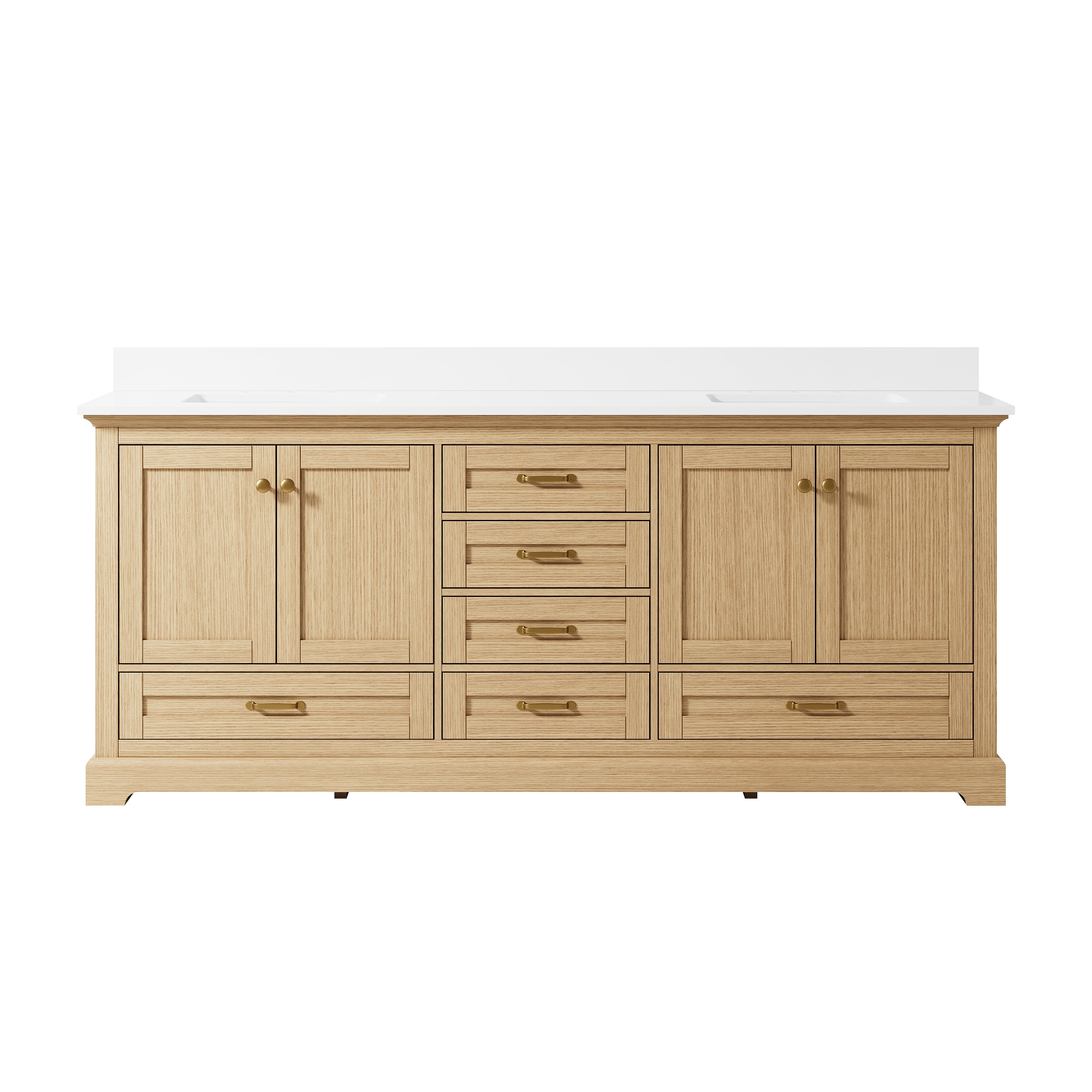
In a 60-inch dual basin layout, using two-sided 32-inch to 36-inch illuminated mirrors is a common solution. This not only provides sufficient lighting but also enhances the sense of zoning.In practical decision-making, the return on investment of an illuminated mirror is closely related to usage frequency and household routines. For users who spend more time on makeup, shaving, skincare, or shared morning preparation, the value of front-facing lighting and integrated functions becomes more apparent over time. By contrast, in guest bathrooms or low-frequency powder rooms, the upgrade may serve more as a design enhancement than a daily efficiency improvement. This usage-based distinction helps explain why the same product may feel essential in one bathroom and optional in another.

8. Conclusion
Whether an illuminated bathroom mirror is worth investing in is not simply a price comparison, but a comprehensive evaluation of lighting quality, spatial vision, and long-term energy efficiency. From a small mirror with 1200 lumens to a wide design with 3500 lumens, every inch and watt of power affects the experience. For families who seek uniform facial lighting and modern visual effects, a light mirror is an upgrade that combines functionality and design value. As long as installation planning and product quality are properly controlled, the long-term returns often exceed the initial investment.





































Leave a comment
This site is protected by hCaptcha and the hCaptcha Privacy Policy and Terms of Service apply.