














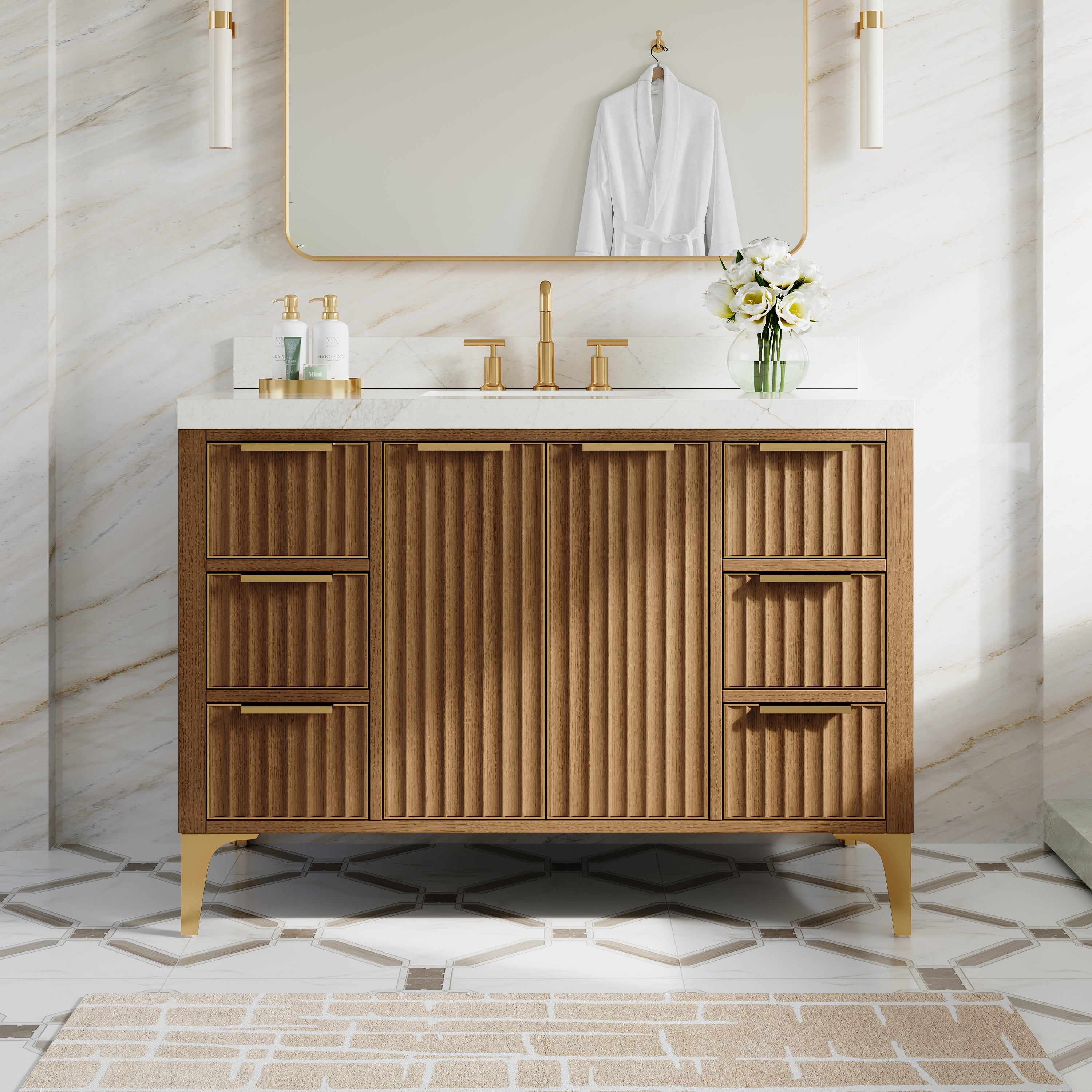
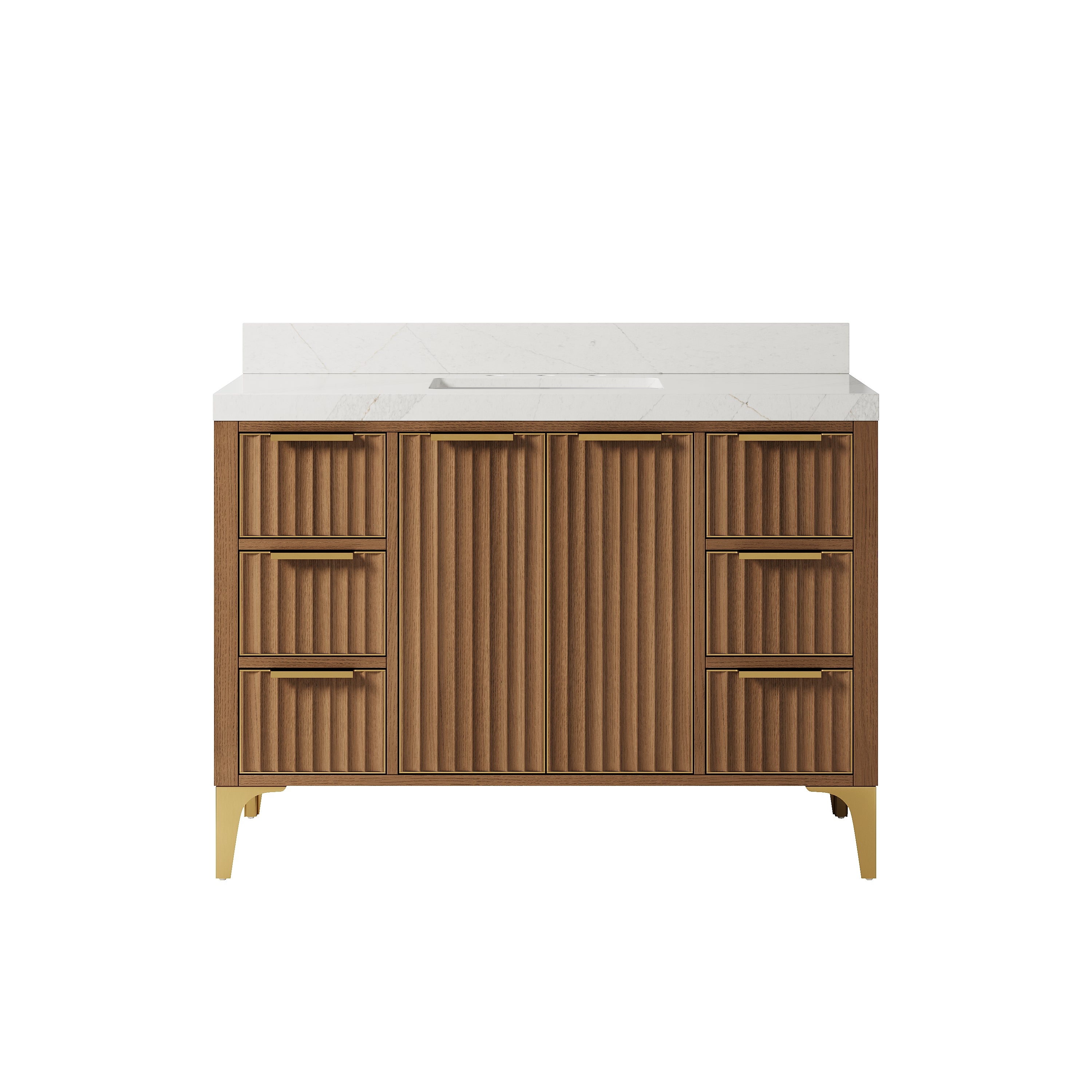


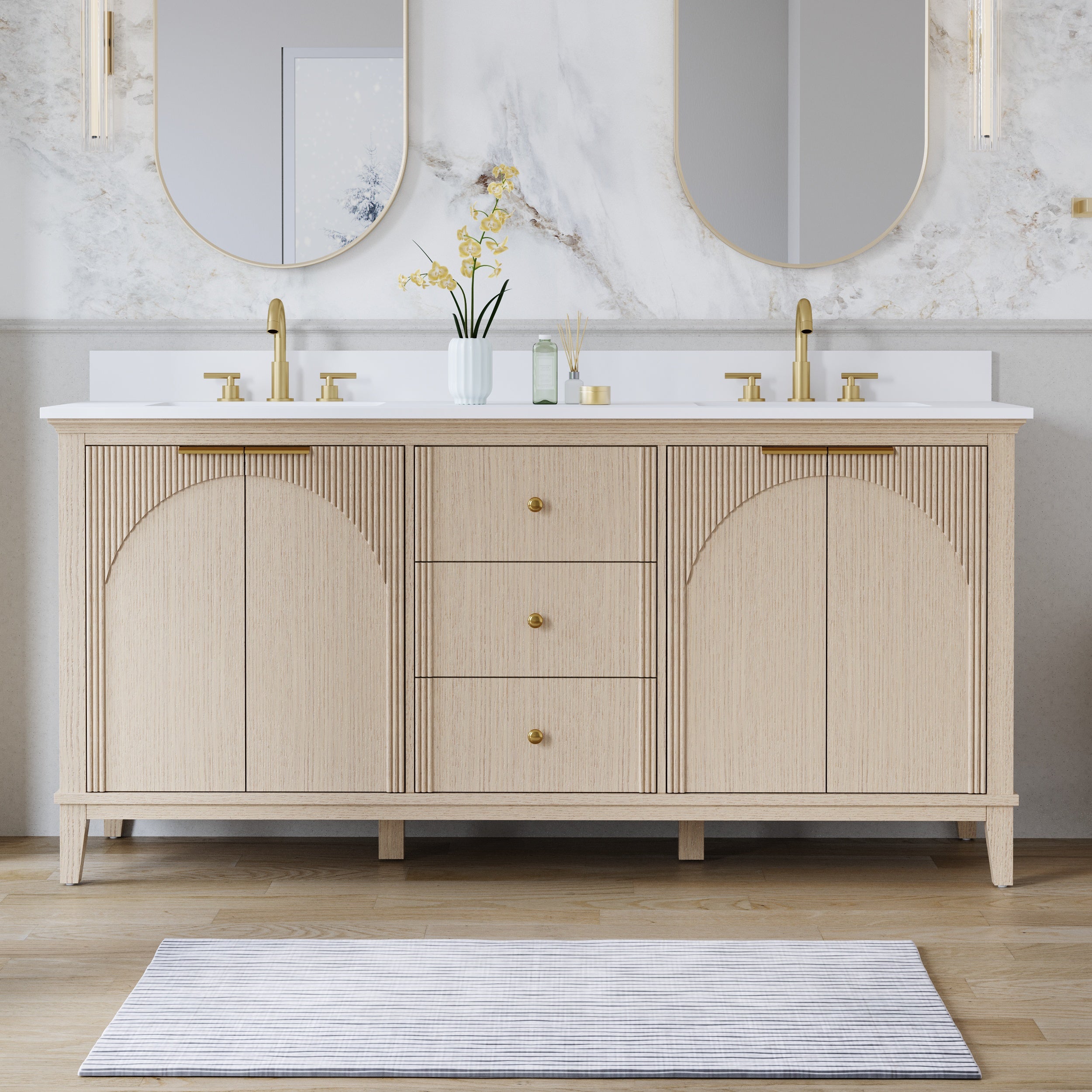
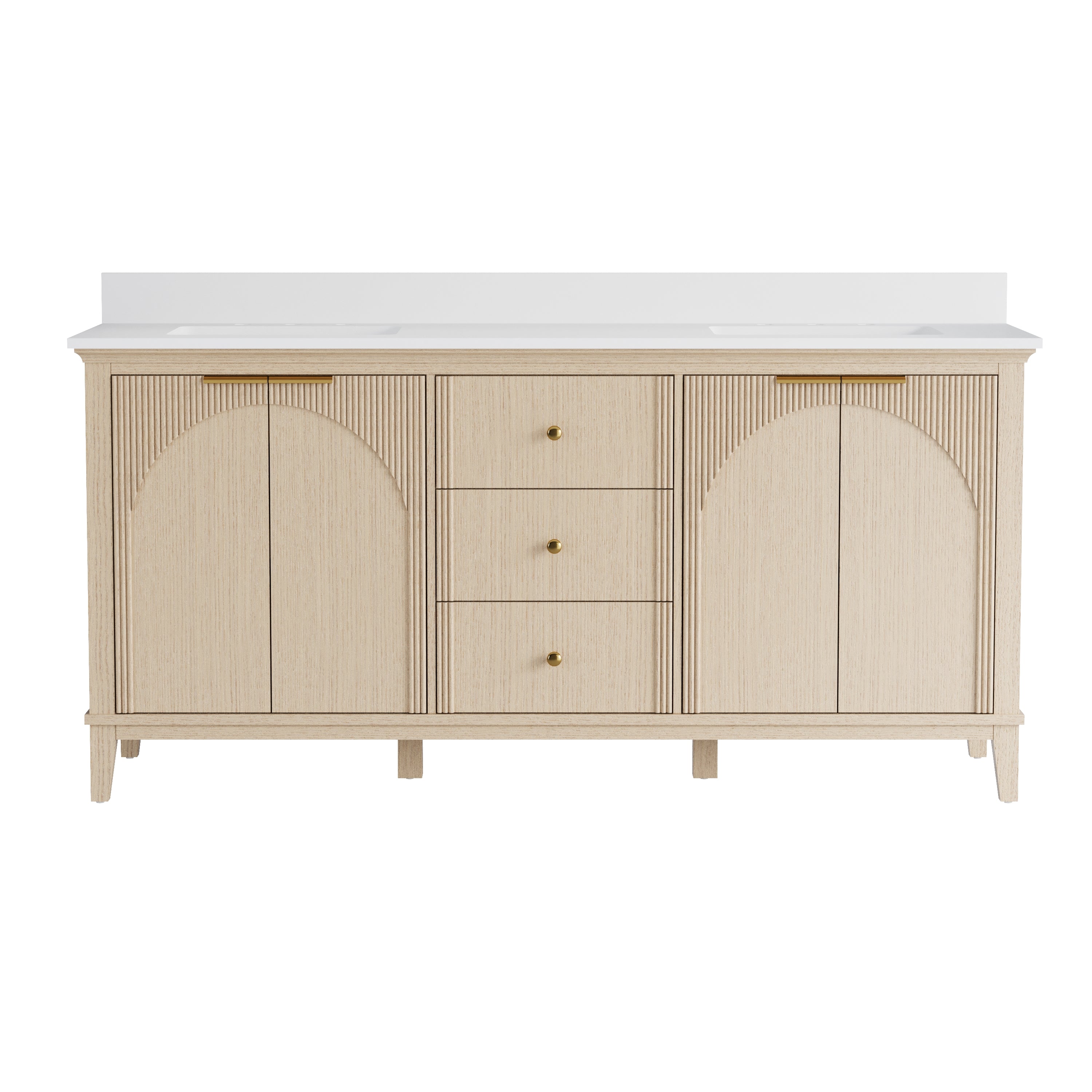



In contemporary home design, bathroom vanities are no longer just functional storage cabinets, but have gradually become an important core element that determines the style and quality of bathroom spaces. With the continuous growth in residential renovation demand and the increasing emphasis for quality of life, the design attention to bathroom space has significantly increased. From a 36-inch single-basin layout to a 60-inch or 72-inch dual-basin structure, bathroom cabinets are shifting from traditional, practical products to comprehensive home components that integrate design aesthetics, materials and textures, and intelligent functions. Entering 2026, colors, materials, and overall styles are showing a more distinct development trend.
1. Color Trends
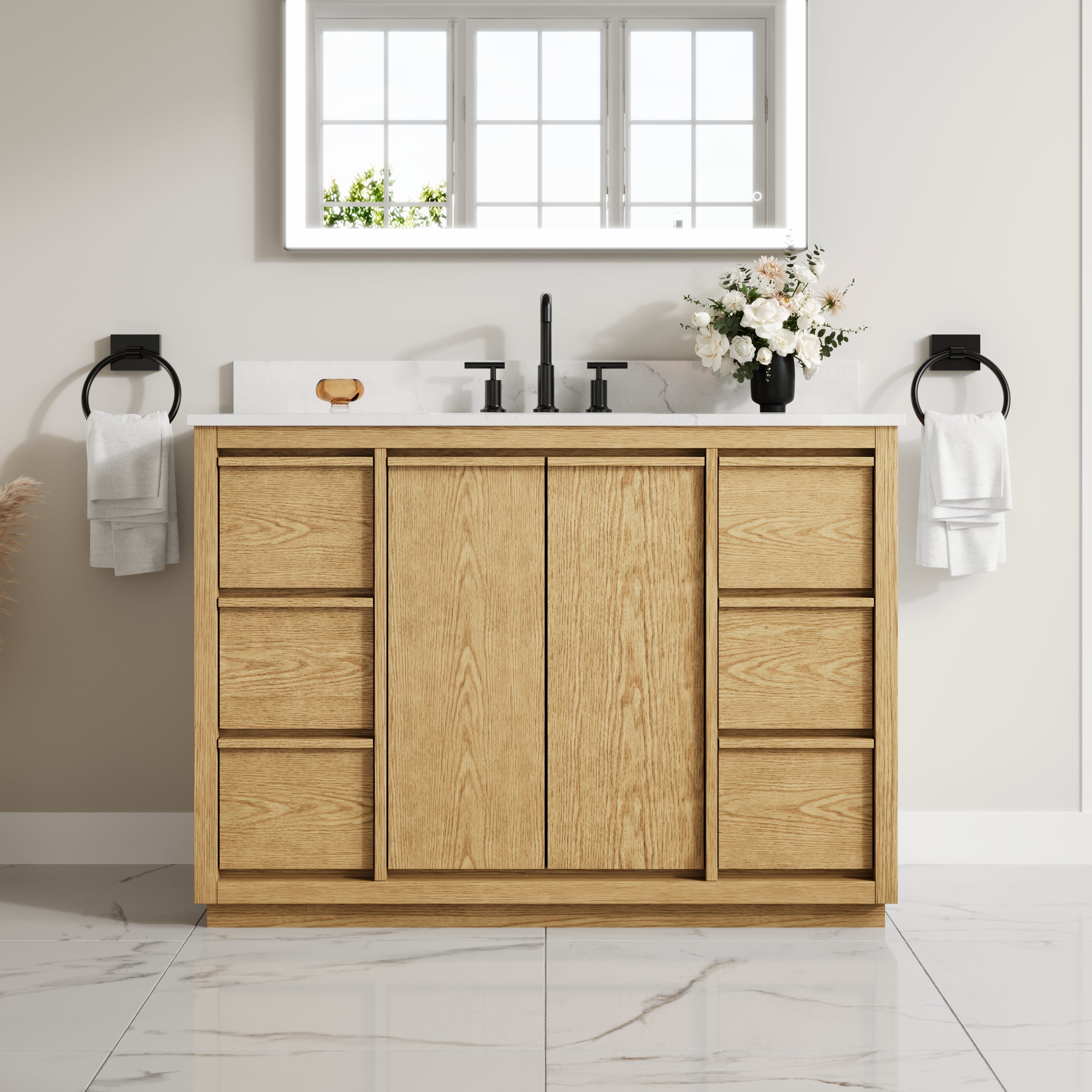
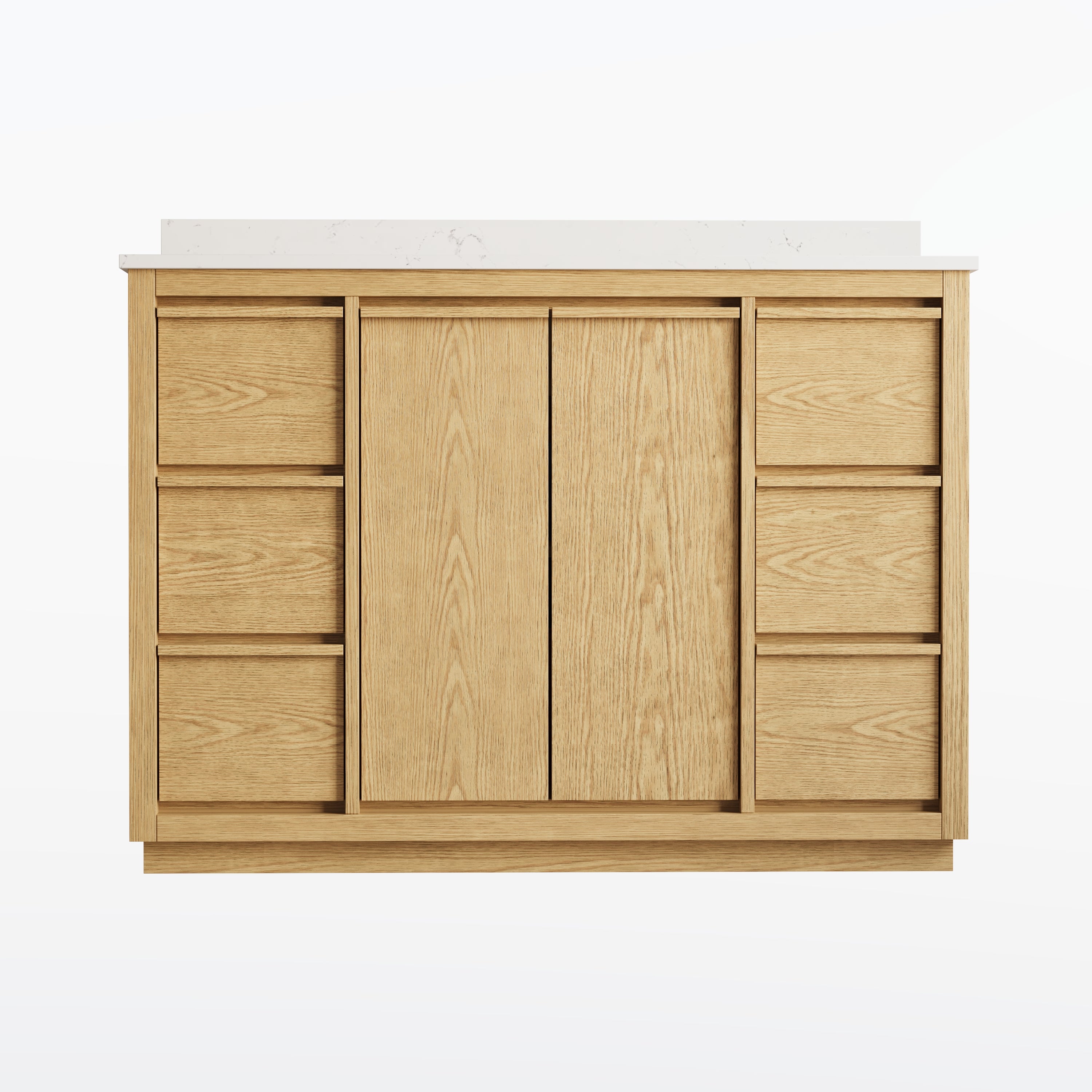
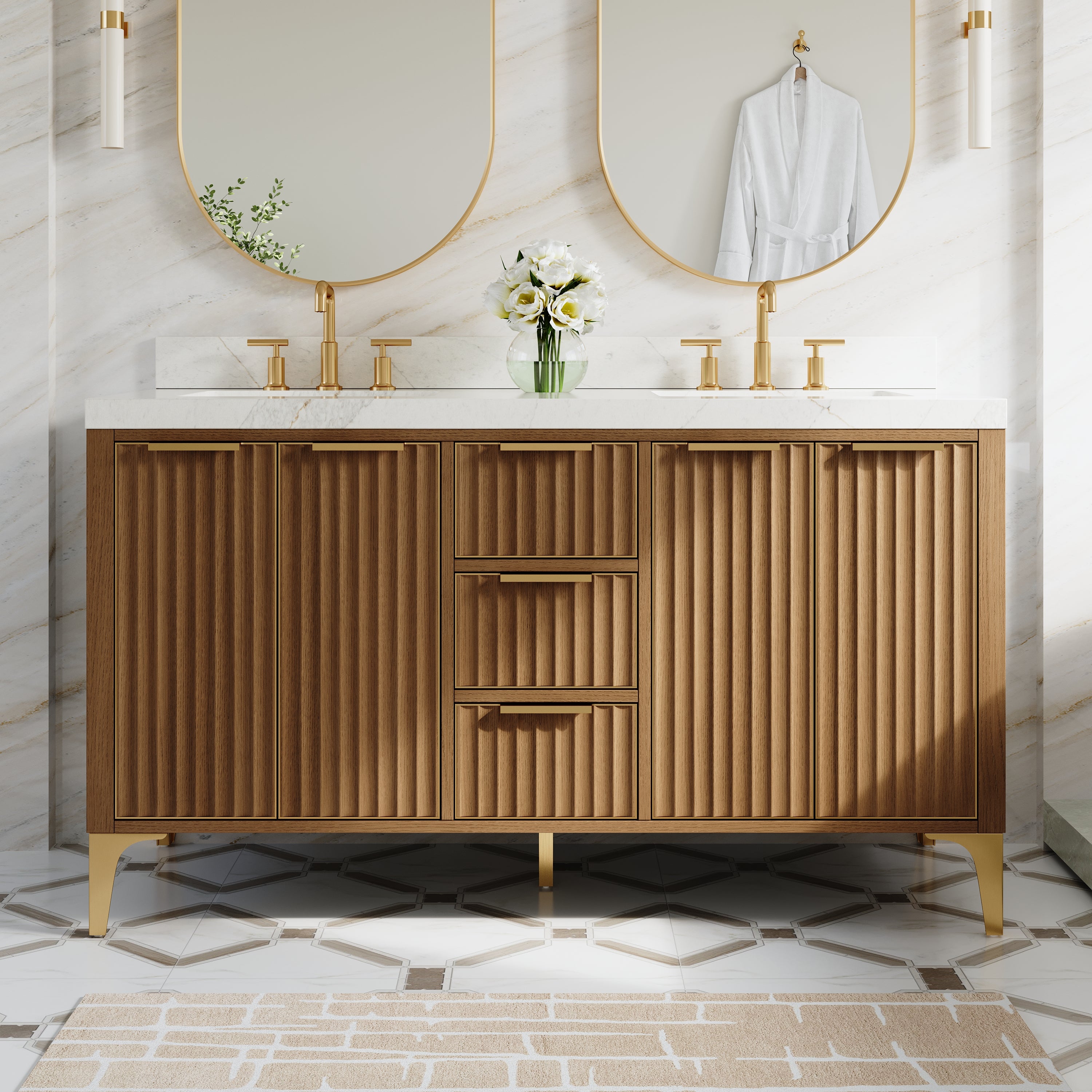
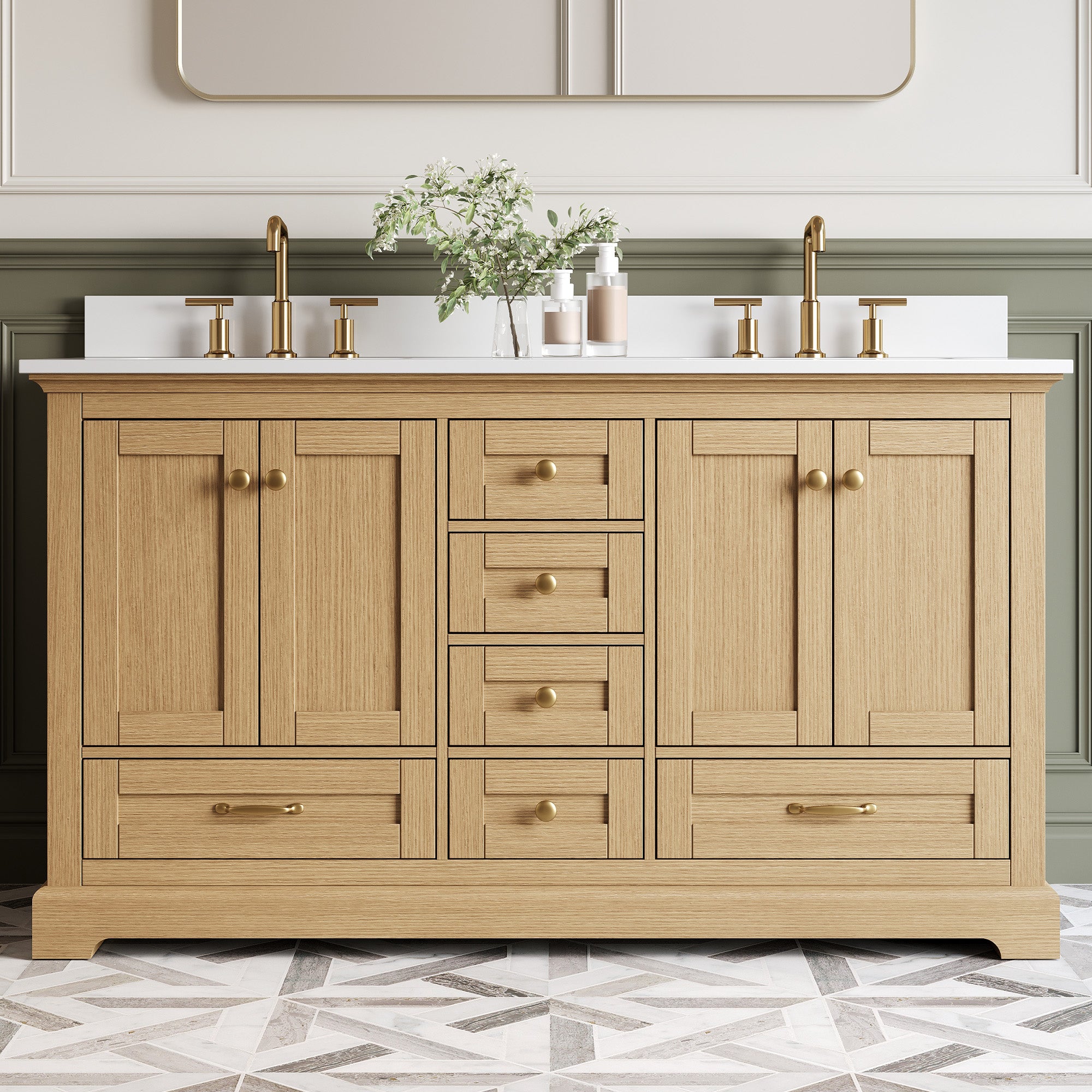
· Firstly, in terms of color trends, bathroom cabinet design is gradually shifting from the popular single white color to a more layered, personalized color palette. Dark colors have become a focus for designers, such as deep walnut, charcoal black, and navy blue, which can visually enhance spatial texture and create a contrasting effect with stone countertops and metal hardware. According to industry statistics, in the past three years of bathroom renovation projects, more than 40% of newly installed bathroom cabinets have chosen dark or neutral tones, while the proportion of traditional bright white has decreased to about 30%. At the same time, some natural colors have also begun to be favored, such as olive green, sandstone, and light oak. These colors can be coordinated with natural stone or wood elements, making bathroom spaces feel closer to nature and more alive.
2. Size and Structural Design
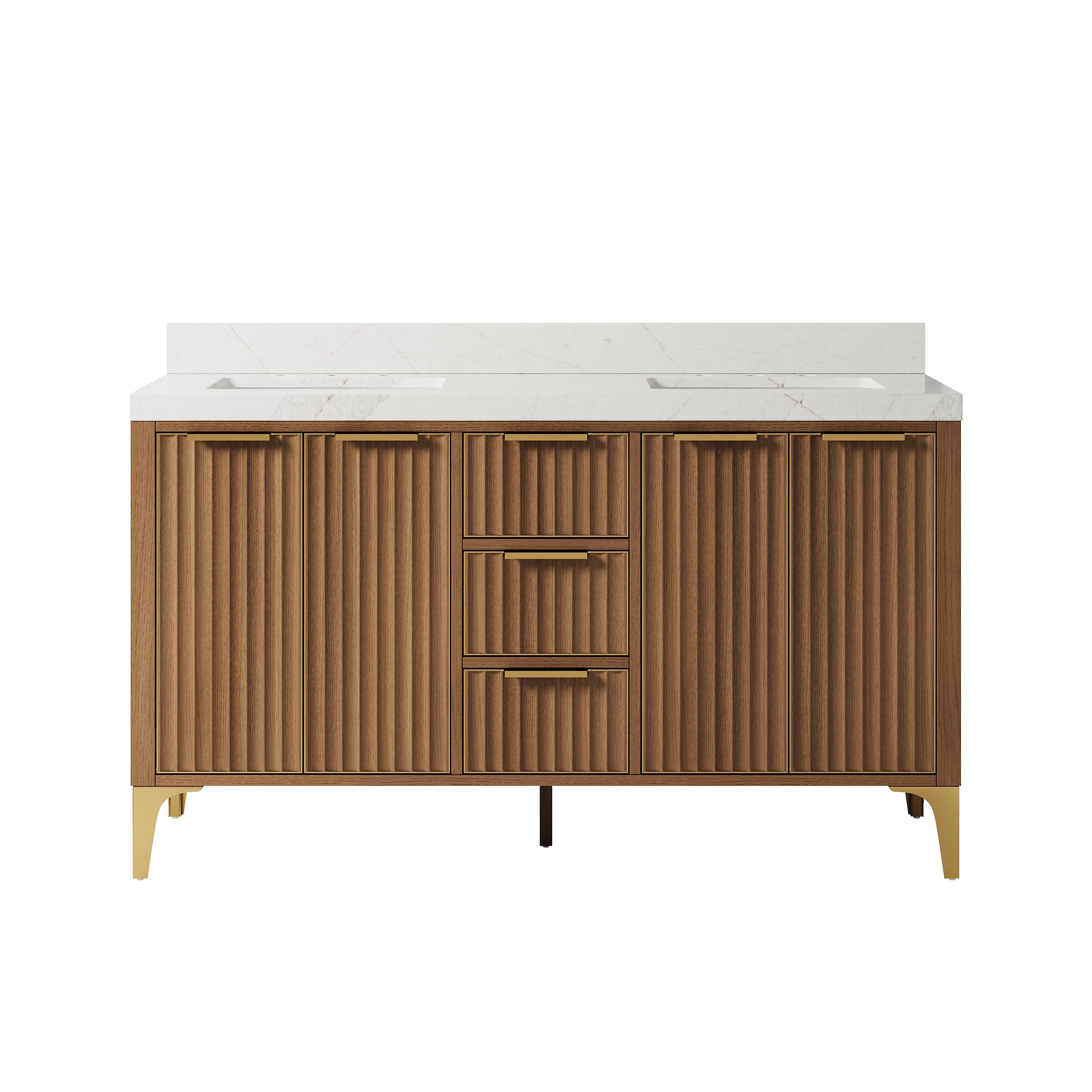
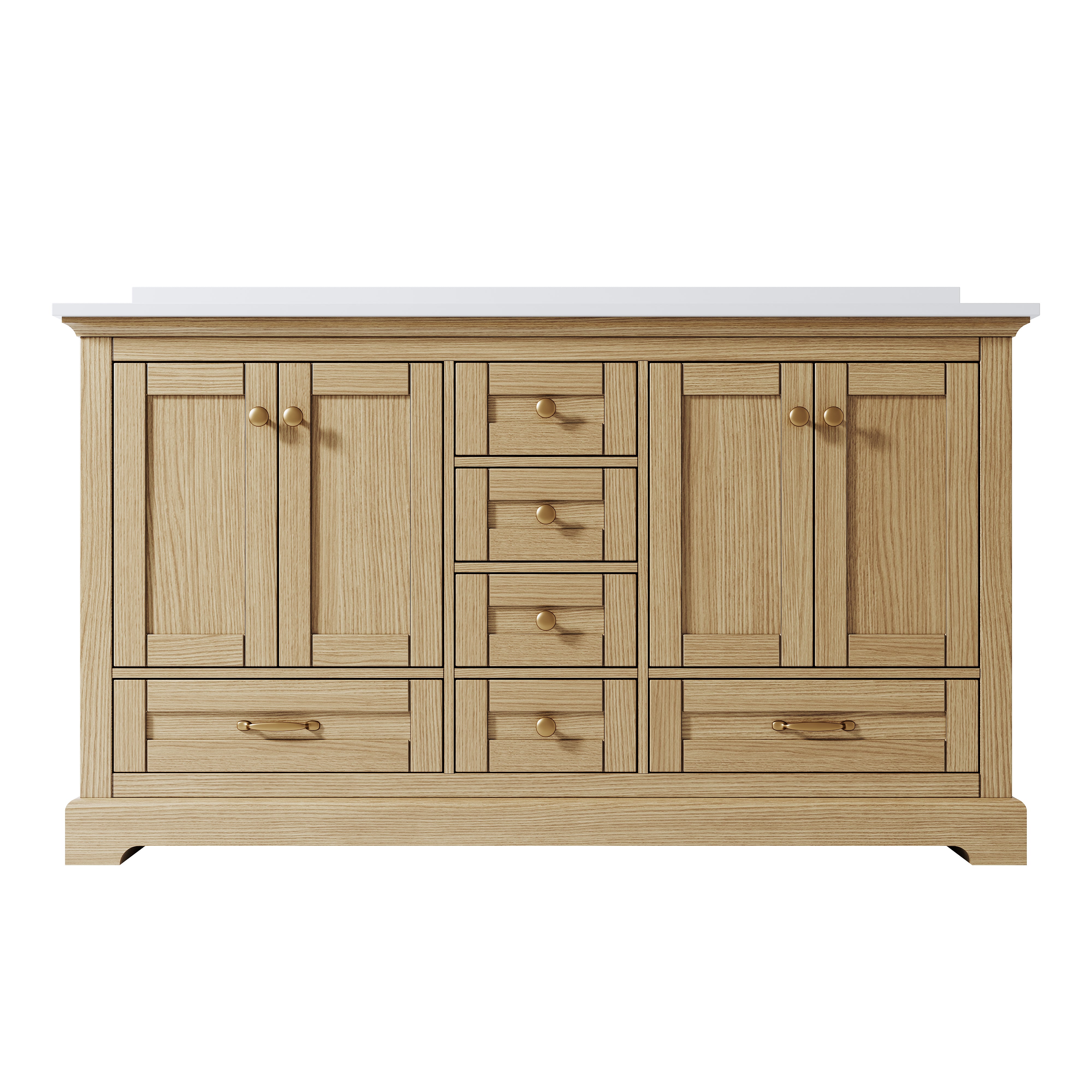
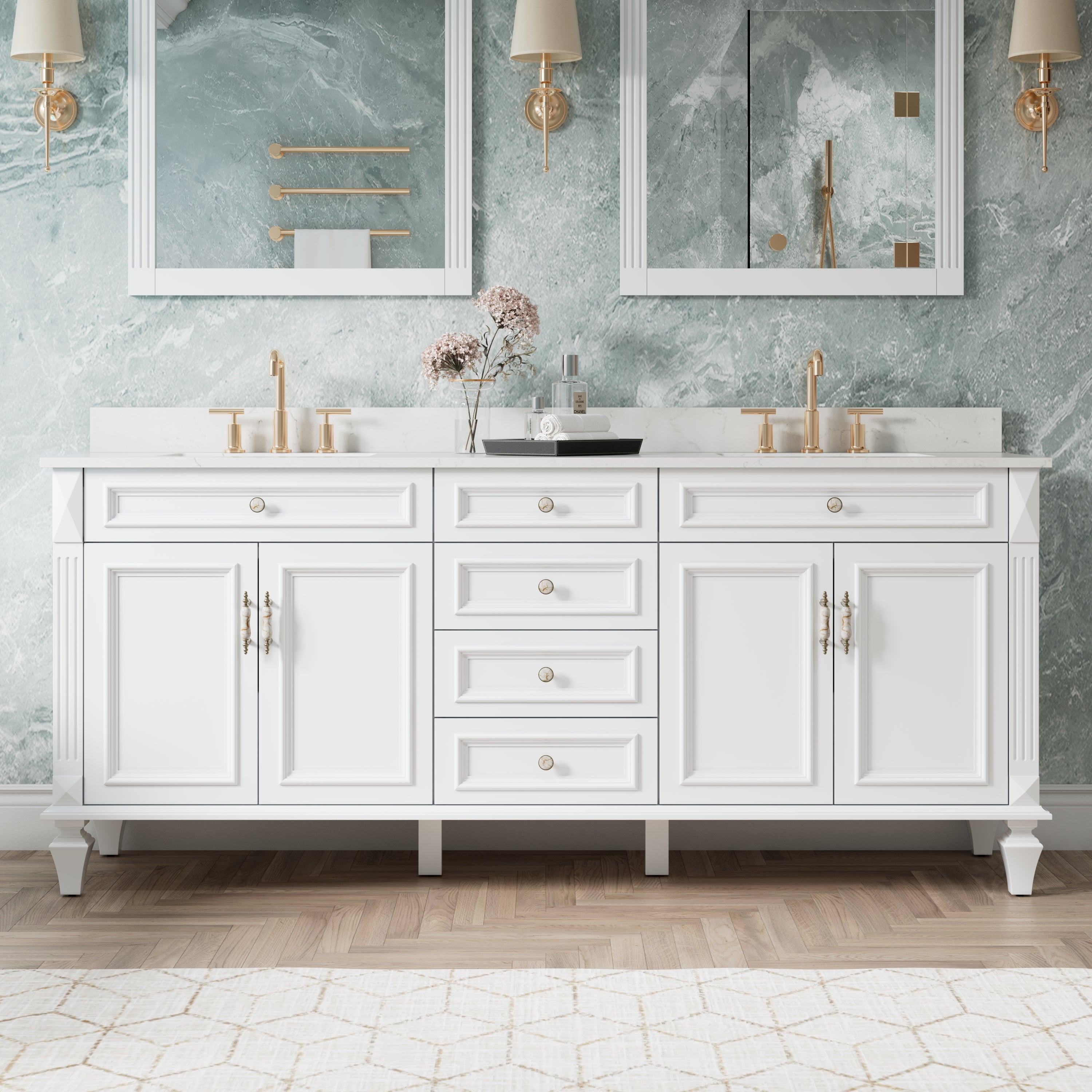
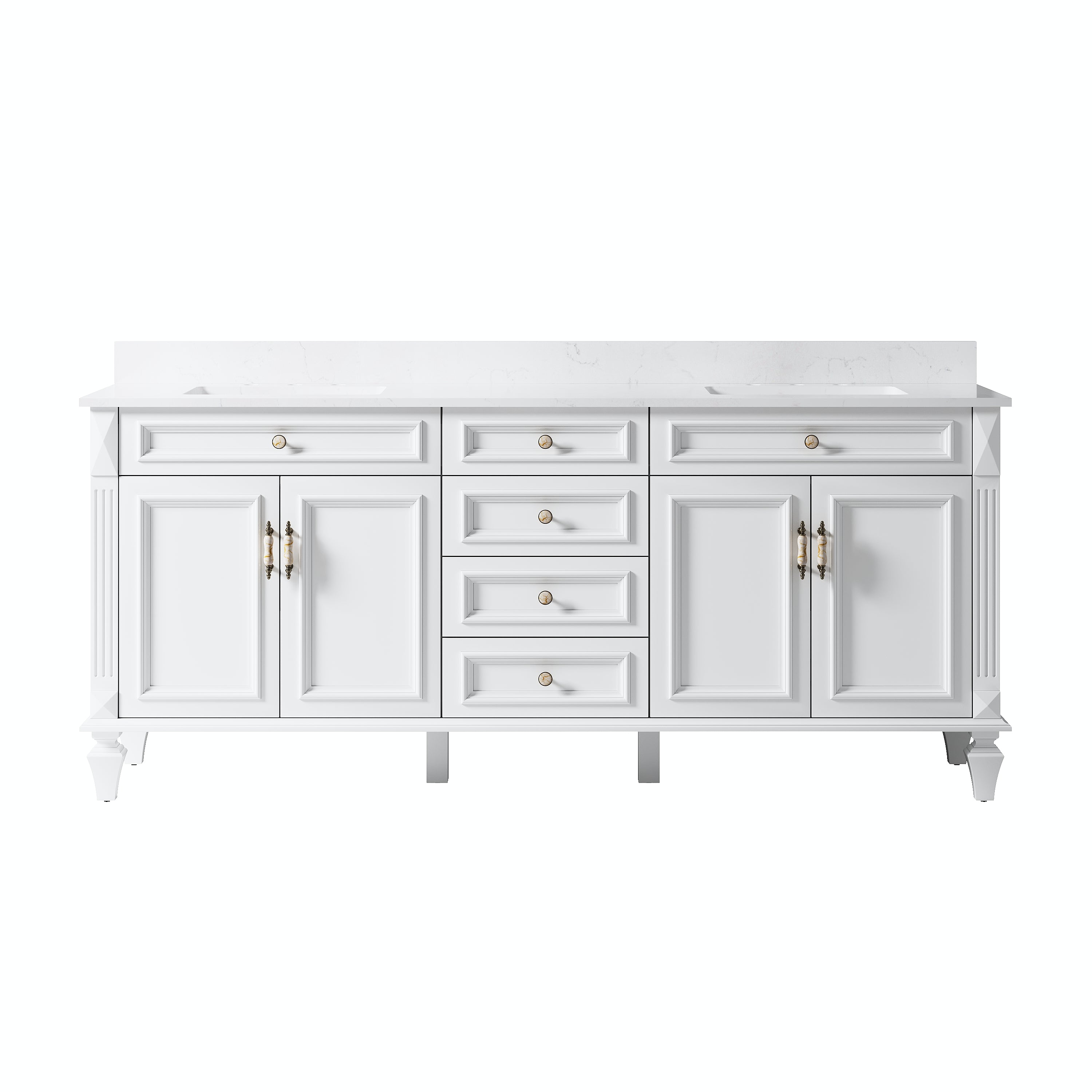
· In terms of size and structural design, the demand for larger bathroom cabinets in households is gradually increasing. With the continuous expansion of the main bathroom area in residential buildings, 60-inch and 72-inch double-basin bathroom cabinets have become the mainstream configuration in mid- to high-end residences. The double-basin structure not only improves efficiency of use but also provides ample storage space. Industry research shows that more than half of the main bathrooms in newly built residential buildings use bathroom cabinets measuring 60 inches or more. In contrast, 36-inch single-basin units are more commonly used in guest bathrooms or small apartment spaces. At the same time, floating installations are gradually becoming popular, reducing visual weight through suspension structures, making the space look more spacious and easier for daily cleaning.
3. Material Selection
· Material selection is another key trend in the development of bathroom cabinets in 2026. Natural wood remains an important material for high-end bathroom cabinets, especially stable woods like white oak, walnut, and maple. This type of material can present natural textures, making the bathroom space warmer. However, due to the long-term high humidity in bathroom environments, many manufacturers have begun using multi-layer solid wood structures or moisture-resistant treatments to enhance product durability. At the same time, high-quality engineering boards are constantly improving, achieving a balance between stability and cost control through waterproof coatings and high-density structures.
4. Countertop Materials
· In terms of countertop materials, quartz stone and sintered stone have become the fastest-growing choices in recent years. This type of material not only has strong stain and scratch resistance but can also simulate the texture of natural stone in design. Data shows that the use of quartz stone in newly installed bathroom countertops has exceeded 50%, becoming one of the mainstream configurations. In contrast, although traditional natural marble still has a high-end texture, its application proportion is gradually decreasing due to the need for more complex maintenance.
5. Style Trends
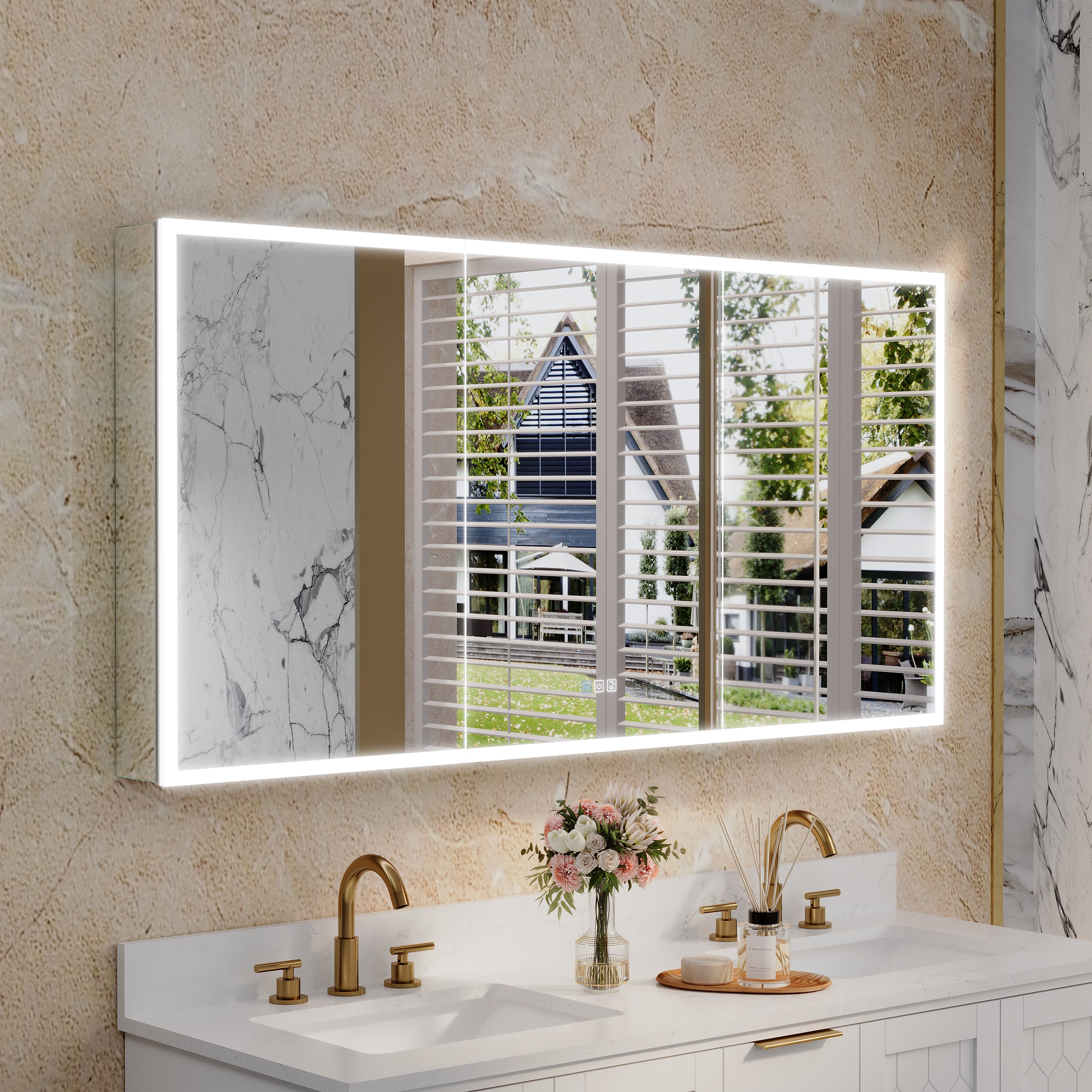
· In terms of style, minimalist modern design still dominates. The simple lines, hidden handles, and large flat cabinet doors make the overall space cleaner and tidier. At the same time, the light luxury style has gradually become a design hotspot, creating visually impactful bathroom spaces through the combination of metal elements, stone textures, and dark cabinets. For example, brushed gold or matte black hardware paired with dark cabinets can create a distinct design hierarchy.
· In addition to modern style, some designs with a natural atmosphere are gradually returning. The bathroom cabinet, which is primarily made of natural wood, offers a more lifelike spatial experience through the combination of open shelves and closed storage. This design concept emphasizes the material's texture rather than excessive decoration, making the bathroom space warmer and more comfortable.
6. Storage Upgrades
· The upgrading of storage structures is also an important trend. With the increasing variety of personal care products, traditional single-layer drawers are no longer able to meet the demand. Many new-generation bathroom cabinets are adopting partitioned drawers, hidden storage, and adjustable partitioning, significantly improving space utilization. Some designs also incorporate internal lighting systems that automatically illuminate when drawers are opened, making them convenient to use in low-light environments.
7. Intelligent Features
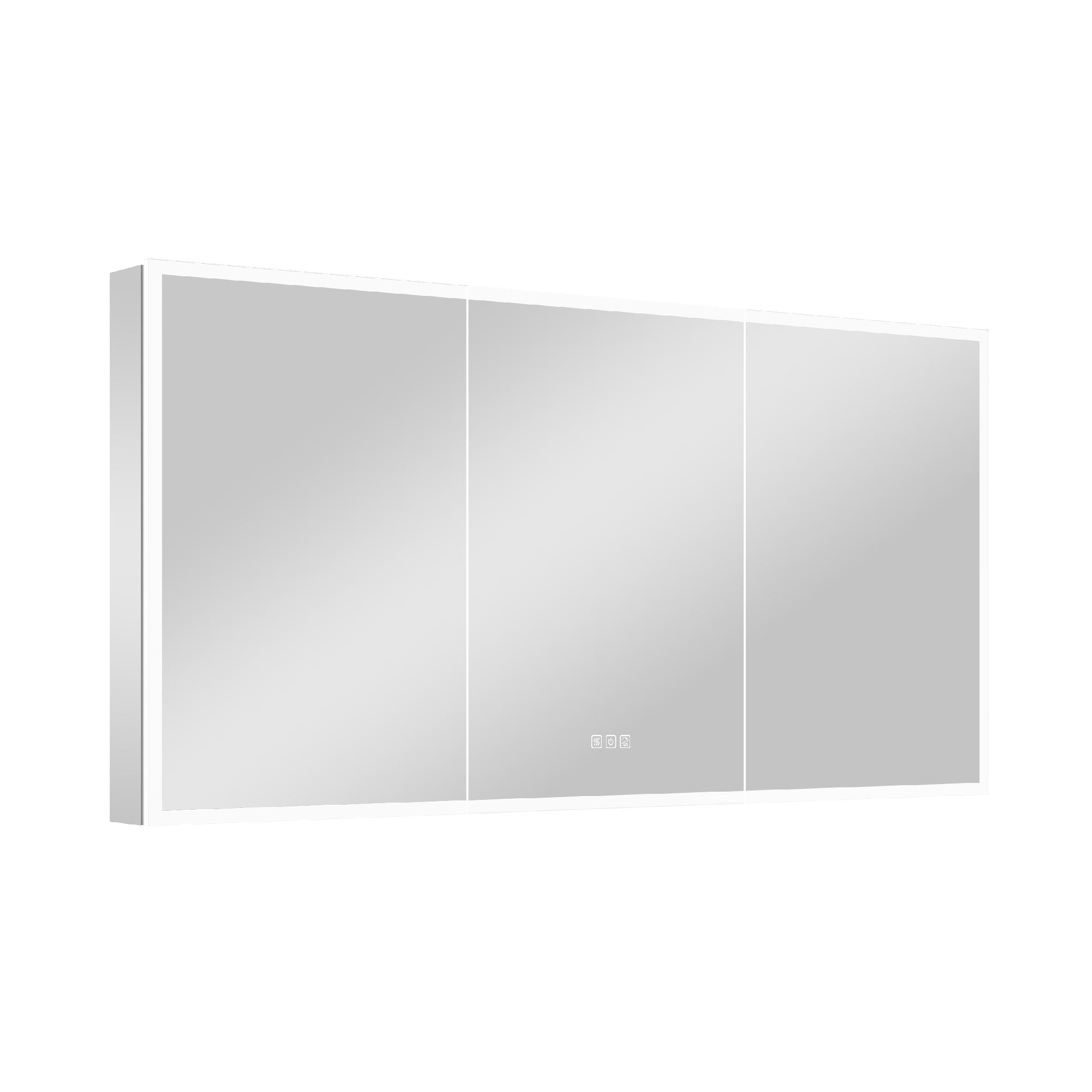
· In terms of intelligence, bathroom cabinets have also begun to integrate with modern technology. For example, drawer designs with power sockets can charge electric shavers or beauty devices inside the cabinet. Some high-end products even integrate anti-fog mirror cabinets, LED lighting systems, and induction switches, making the entire bathroom space more intelligent and convenient.

8. Conclusion
· Overall, bathroom cabinet design in 2026 is moving towards a more personalized, high-quality, and functionally integrated direction. From dark-colored cabinets to natural wood textures, from large double-basin structures to intelligent storage systems, bathroom cabinets have become an important component that reflects the level of spatial design. With the continuous refinement of design concepts and the advancement of manufacturing technology, the future bathroom space will no longer be just a place for daily washing, but a living space that integrates aesthetics, comfort, and technological experience.































Leave a comment
This site is protected by hCaptcha and the hCaptcha Privacy Policy and Terms of Service apply.